MBOMBELA – The Department of Health is spending its budget with alacrity. This is according to its performance report for the first quarter of this financial year.
MEC for finance, Mr Eric Kholwane, who is also the curator of the provincial Department of Health, told Lowvelder last week that the 28,5 per cent at which the department’s budget expenditure stood at the end of the first quarter at the end of June, was largely due to past accruals.
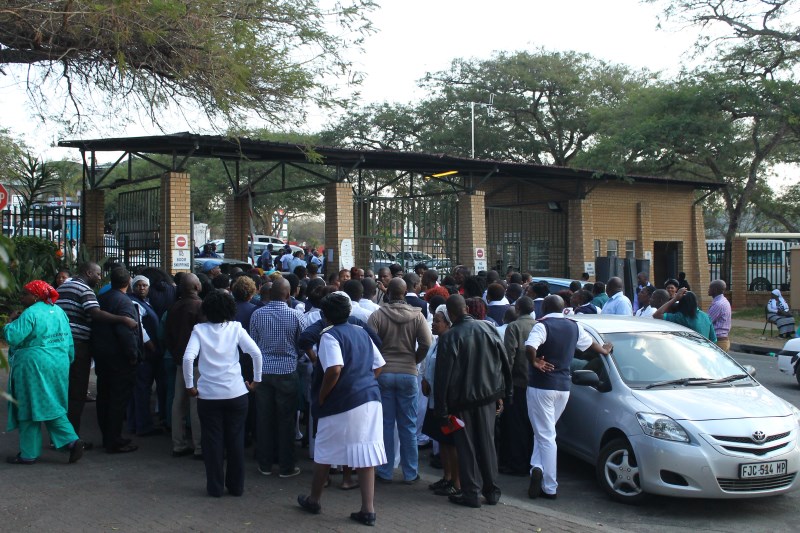
Following the strike of the National Education, Health and Allied Workers’ Union (Nehawu) staff at Rob Ferreira Hospital last week, over a lack of overtime payment since April, Kholwane said, “We don’t want to frustrate suppliers and staff. We are addressing the problem but they may feel that it is not speedily enough.
“In reality, actually, we are still paying invoices dating back to the 2011/12 financial year.”
He added that the curator team was verifying the approval of invoices while the department continued to run and incur more expenses.
“Managing cash flow is a problem that affects all departments. We are also prioritising infrastructure problems.”
Kholwane said the hospital’s ageing boilers would take nine to 12 months to replace, because it had to be custom-built. He added that minor renovations would be done immediately.
The report further showed that the risk caused by the critical shortage of senior personnel within the department had stalled. While the occupation specific dispensation (OSD) had been correctly implemented, officials who had not benefited from it were challenging the outcome.
Ms Jane Sithole, DA MPL, said not filling senior-staff positions would help contribute to the whole demise of the department, while the overspending meant that they would not be able to pay the striking nurses overtime.
“The nurses have two options, to stop working overtime as they are not going to receive their money or continue striking, which is a futile measure.
However, going into the future, there is going to be less and less personnel working which will be to the detriment of the patients in the hospital.”
She said if this trend continued, the department would have overspent by between 12 and 14 per cent of its R936,1 million total budget by the end of the year.