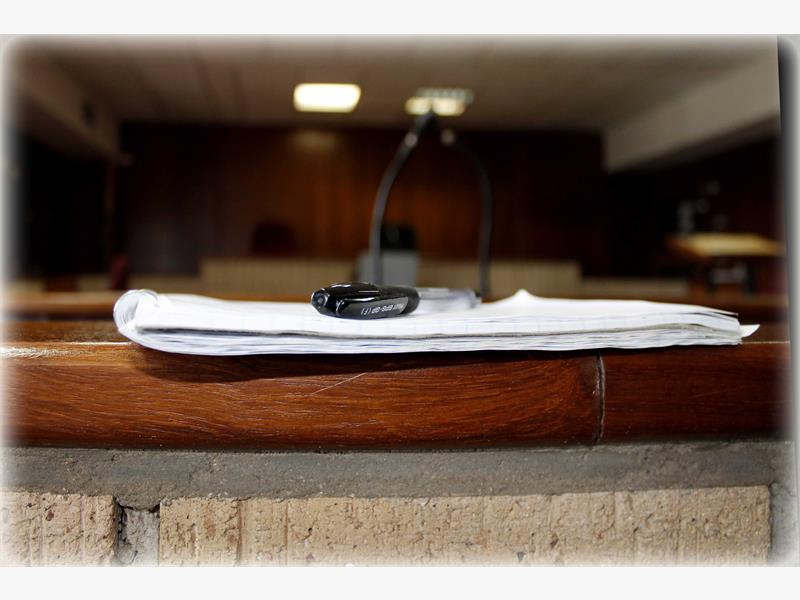
MBOMBELA – According to medical evidence, Ms Mawande Matsebula kicked her child to death. After hearing this graphic evidence the local circuit of the High Court postponed the accused’s murder trial to January 19, 2015.
Matsebula stands accused of ill-treating and assaulting her toddler, Siphosethu Mhlanga, which is said to have caused his death on October 6, 2010.
He was three years and 11 months old at the time of his death. According to evidence presented by state pathologist Dr Gantcho Prodanov Gantchev, he was beaten and kicked to death.
Judge Peter Mabuse summarised the contents of this report on Monday: “The boy was kicked so hard that his skull cracked, but not hard enough for him to die. He died from blood loss over a period of 10 hours.
“His death could have been prevented if he had been taken to hospital. However, he also suffered from heart failure and he was kicked so hard that his liver burst.”
The accused’s police statement was referred to in court.
According to this statement, Siphosethu fell ill on or around October 6, 2010 and complained of a headache.
He was nauseous and couldn’t keep his food down. He died a few hours later.
The testimonies that were led in court differ from the contents of Matsebula’s statement.
Const Phlupheki Petros Dlamini is the police official who initially investigated the matter when murder was suspected. He testified that the accused had sole access to a toilet that was located close to her house. The police inspected this toilet cubicle after the boy’s body was found and discovered the toddler’s clothes behind the door.
The clothes were covered in blood and faeces as well as towels that had clearly been used to mop up blood.
These items were confiscated for investigation and the accused was arrested. According to Dlamini, Matsebula denied that the clothing belonged to the child.
Further testimony by the mother and co-worker of the accused regarding the latter’s neglect of her child corroborated the state’s case.
It was requested that the accused’s psychological state be examined by a social worker. A comprehensive report would be compiled and presented to court at the next hearing. The court would consider this report along with the evidence presented by the state before passing a verdict.