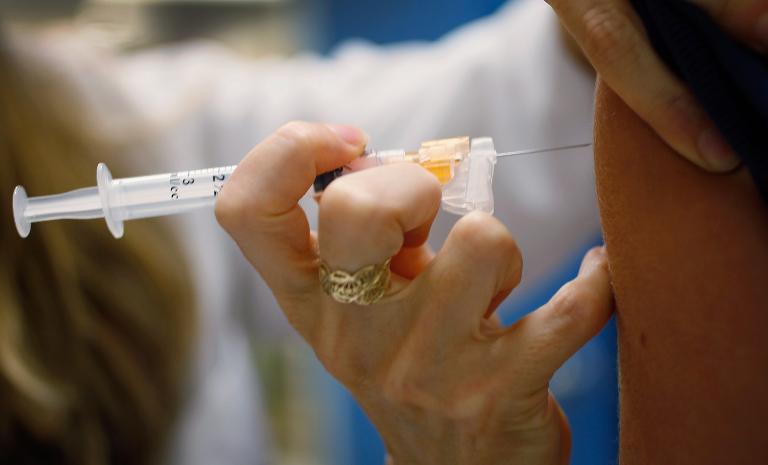
MBOMBELA – Concerned parents of young girls have taken issue with the vaccinations of their 12-year-old daughters against the human papilloma virus (HPV) which causes cervical cancer.
When they were asked to sign consent forms for their daughters to receive the free service, as offered by the Department of Health, some voiced their objections on Facebook.
The government’s HPV vaccine campaign was launched in 2014. HPV, which is spread through unprotected sexual contact, is linked to various forms of cancer including cancer of the cervix and other reproductive organs.
There also appear to be false rumours going around among the children that getting the vaccination will render girls infertile.
Mpumalanga Health Department’s Mr Dumisani Malamule explained that this was not the case. According to him, the department uses Cervarix as a vaccine.
Malamule said they had a staff of about 20 nurses who meet with parents throughout the year to educate them on the vaccine during parents’ meetings at the school.
They do a presentation on what it is and how it works. He said children are also educated twice a year and pamphlets are being distributed.
“We try to go to each school once a year,” he said. “It is an ongoing process.”
In 2015/16 the department vaccinated a total of 29 907 in a first round and 30 732 girls in a second round at a cost of R3,5 million and R6,1 million for the two rounds respectively.
Malamule said the provincial department did not have data available on the efficacy of the drug in preventing different kinds of cervical cancer, nor for how long the vaccine offered protection.
One parent who spoke to the newspaper refuted claims of any education occuring on the matter.
She said they had only received a communication from the school, asking them to authorise a number of health services, such as deworming and other vaccinations.
She said parents should do their own thorough homework before giving their consent.
According to the Mpumalanga Department of Health:
• Cervarix does not prevent pregnancy
• The vaccine only protects girls, aged nine, from type 16 and 18 HPV strains
• The vaccine does not protect against HPV infection in girls who have already been exposed to it
• It does not protect against sexually transmitted infections such as HIV, syphilis, gonorrhoea, chlamydia or herpes
• Side effects can include redness, tenderness at the injection site and slight fever.