Know your cloud types and what they bring
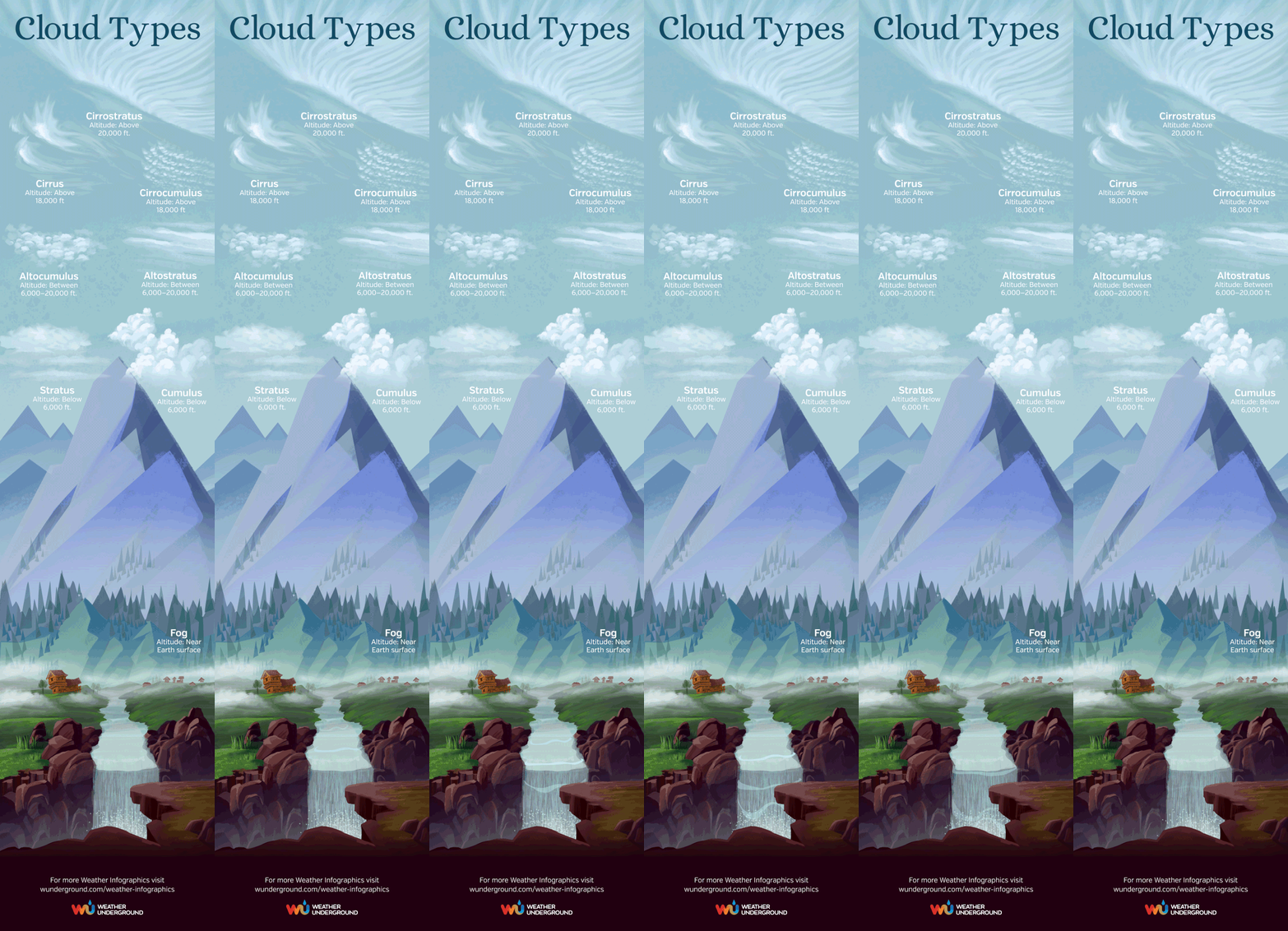
Clouds come in many shapes and shades and knowing what is going on in the skies above can help you predict what might be coming your way.
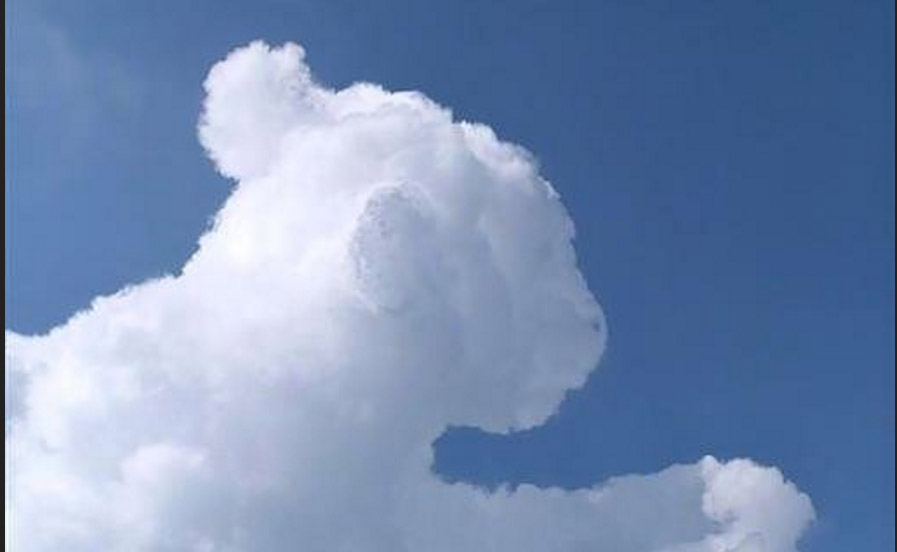
Cirrostratus
Transparent, whitish veil clouds with a fibrous (hair-like) or smooth appearance. A sheet of cirrostratus which is very extensive, nearly always ends by covering the whole sky.
Cirrus
Detached clouds in the form of white, delicate filaments, mostly white patches or narrow bands. They may have a fibrous (hair-like) and/or silky sheen appearance.
Cirrocumulus
Thin, white patch, sheet, or layered of clouds without shading. They are composed of very small elements in the form of more or less regularly arranged grains or ripples.
Altocumulus
White and/or gray patch, sheet or layered clouds, generally composed of laminae (plates), rounded masses or rolls. They may be partly fibrous or diffuse.
Altostratus
Gray or bluish cloud sheets or layers of striated or fibrous clouds that totally or partially covers the sky. They are thin enough to regularly reveal the sun as if seen through ground glass.
Stratus
A generally gray cloud layer with a uniform base which may, if thick enough, produce drizzle, ice prisms, or snow grains. When the sun is visible through this cloud, its outline is clearly discernible.
Cumulus
Detached, generally dense clouds and with sharp outlines that develop vertically in the form of rising mounds, domes or towers with bulging upper parts often resembling a cauliflower.
Cumulonimbus
The thunderstorm cloud, this is a heavy and dense cloud in the form of a mountain or huge tower. The upper portion is usually smoothed, fibrous or striated and nearly always flattened in the shape of an anvil or vast plume.
Under the base of this cloud which is often very dark, there are often low ragged clouds that may or may not merge with the base. They produce precipitation, which sometimes is in the form of virga. Cumulonimbus clouds also produce hail and tornadoes.
Also read: Your weekend weather and events
For more information on clouds visit the US National Weather Service
Also read: Little rain can have devastating effects on the Lowveld
Infographic by Weather Underground