Water restrictions lifted but levels decline
The municipality lifted the city's water restrictions this week, but calls from water authorities maintain that residents must continue to conserve water however they can, as the area could easily experience another shortage in the dry winter months.
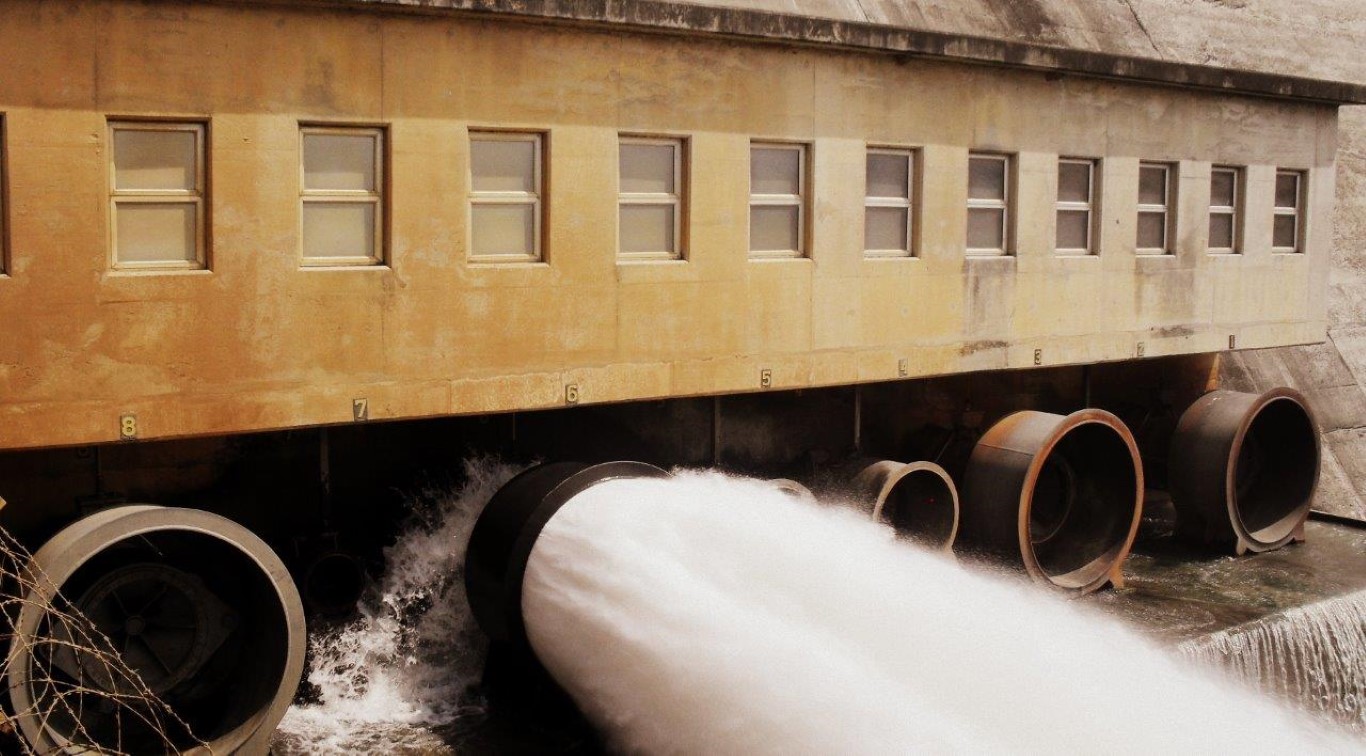
MBOMBELA – Dam levels have already started to show a steady decline over the past weeks.
Council resolved to lift water restrictions for the City of Mbombela in a special sitting on Wednesday, but urged that residents, businesses and governmental departments continue to use water responsibly.
The Inkomati-Usuthu Catchment Management Agency (IUCMA) announced the withdrawal of water restrictions in a letter addressed to domestic water users in early May.

The municipality implemented restrictions in March 2016 due to significantly below-normal rainfall and extremely high temperatures, which resulted in low river-flow levels in the Crocodile and Sabie rivers.
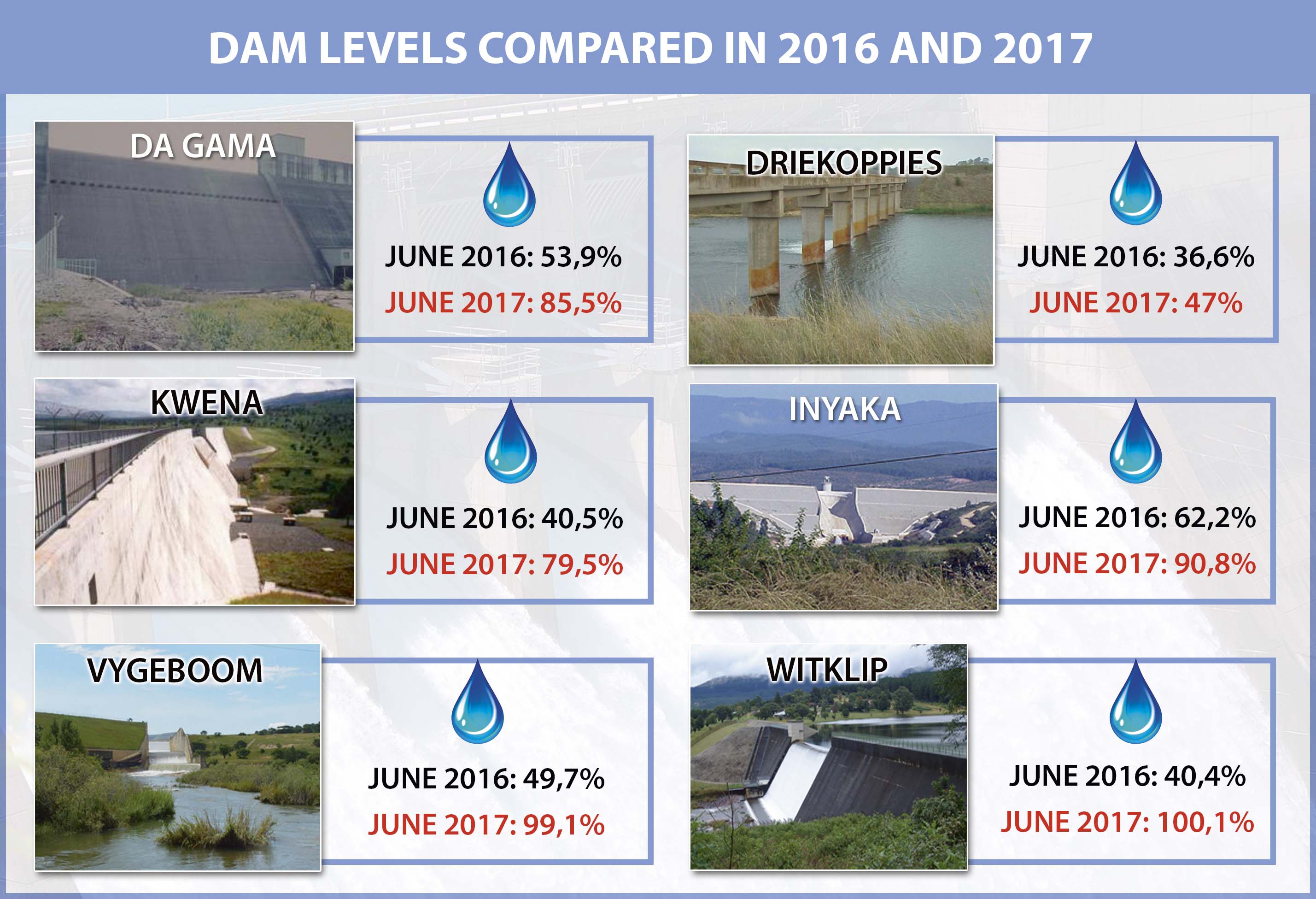
Incoming MMC for water and sanitation, Sipho Siwela, said IUCMA regulates how the municipality should manage its water and it was necessary to follow its recommendation to lift the tariffs posed on water users. The report tabled in council said the current average of dam levels supplying water to the municipality was above 85 per cent.
“It must be noted that according to the latest forecasting models, the weather pattern is likely to bring further drought conditions in southern Africa,” it read.
This would cause dam levels to degenerate. Some dams, such as Lomati serving Barberton, stood empty in October last year. The concern all around is that it is hard to predict whether these conditions will return.
Voluntary restrictions to be maintained
DA leader in council, Steve Schormann, said the issue of water usage was a “fickle” one, and requested that the proposed voluntary restrictions be added to the list of recommendations by the acting municipal manager.
“None of us are sure whether it is going to be a bumper year for rainfall, and there are predictions that the drought will continue,” he said.
The report in council proposed that voluntary restrictions for customers be maintained, including the washing of hard-surface and paved areas, vehicles, watering of gardens, topping up of swimming pools and operation of water features.

All parties were in agreement that the lifting of the drought-relief water tariffs and punitive fines would bring great relief to the region’s farmers.
Department of Water and Sanitation
However, the Department of Water and Sanitation (DWS) in Mpumalanga encouraged communities to strengthen their water conservation initiatives, as the dam levels are continuously decreasing.
“According to the Department’s weekly state of reservoirs report of June 26, the total full-supply capacity of dams in Mpumalanga is down by 0,4 per cent from last week’s 78,5 per cent to 78,1 per cent as recorded on Monday. This shows a continuous downward trend in dam levels over the last couple of weeks,” the statement read.
Dams that recorded slight increases in volume in recent weeks include Witklip Dam, which increased from 100,1 to 100,2 per cent, and Kwena Dam, which recorded an increase from 79,5 to 79,8 per cent.
Silulumanzi Sembcorp
Richmond Jele, spokesman for water service provider Silulumanzi Sembcorp, said the company was quite happy with the municipality’s decision considering the level of Kwena Dam had increased.
“We caution customers to continue to use water responsibly, because we live in an area where rainfall is scarce and there is a likelihood that we may be in a similar situation in future,” he told Lowvelder.