Dullstroom Bird of Prey and rehabilitation centre – Promoting awareness about endangered species
We are a small dedicated team of like-minded individuals (more like family than colleagues), from different backgrounds and age groups, bringing together training in Nature Conservation, Captive Animal Management, Wildlife Rehabilitation, and Falconry.
Education
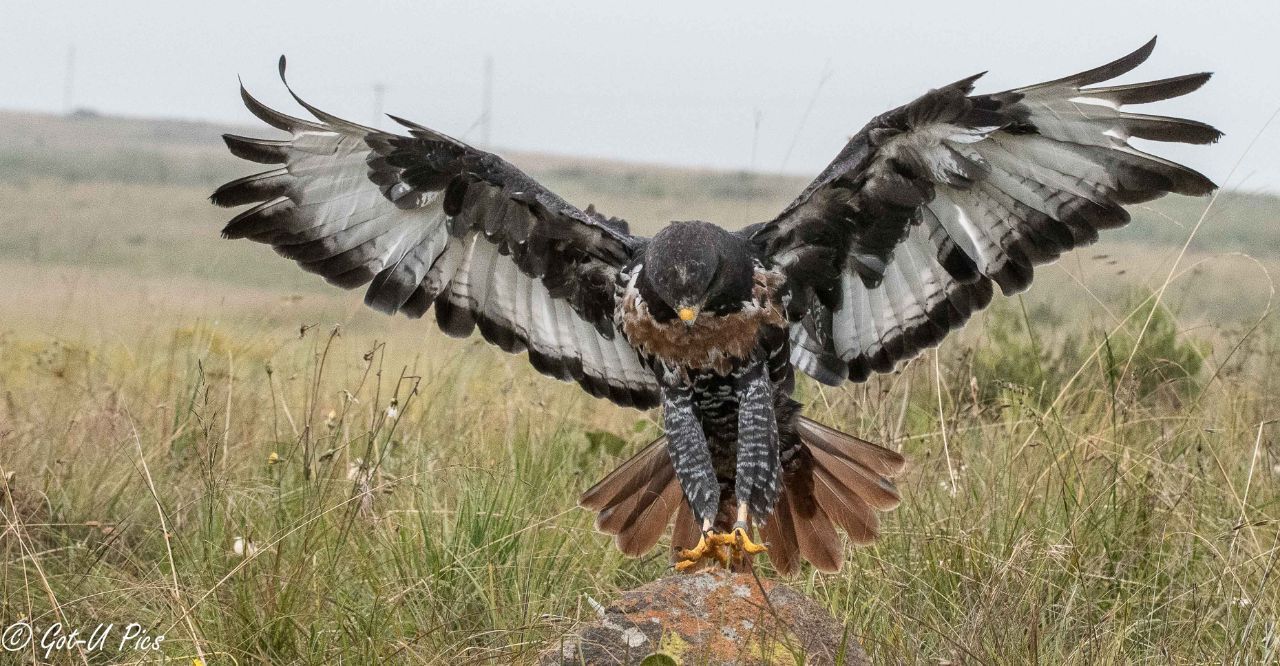
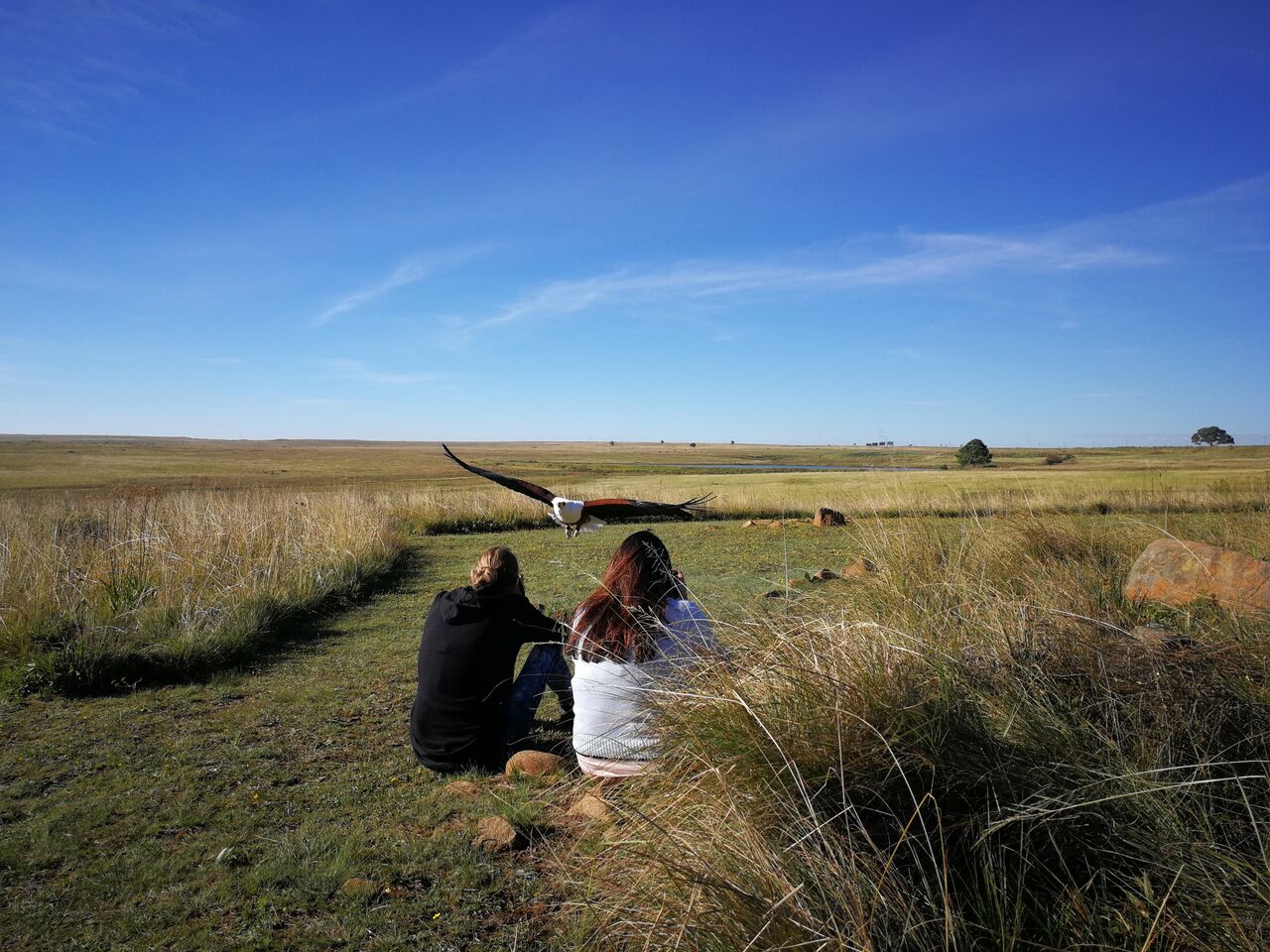
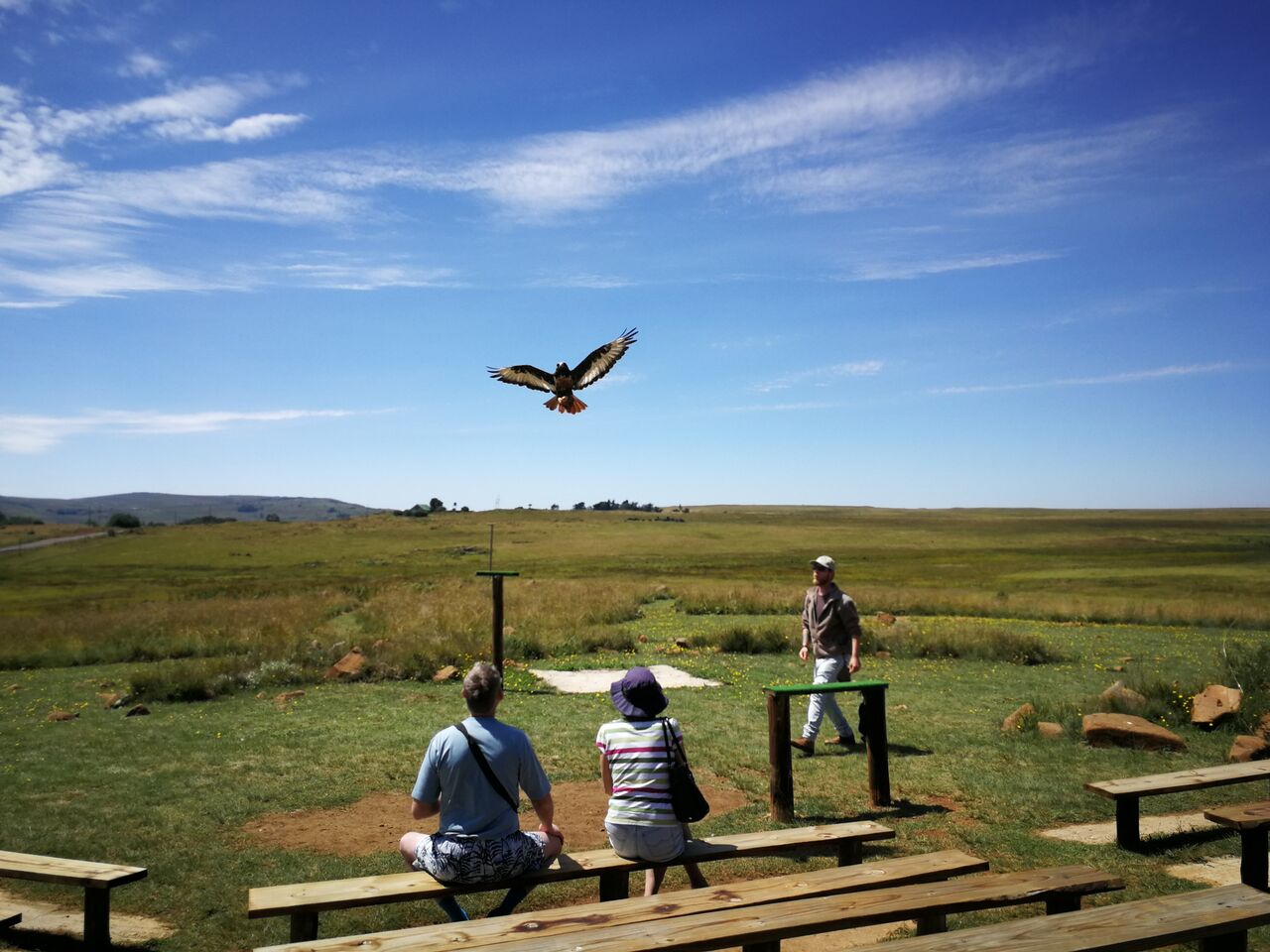
As a permitted Wildlife Education Centre, our main drive is to educate the public as to the plight of raptors and this we achieve largely with our flight demonstrations, handling days, and photographic days at the centre. We also do educational displays at schools and at other venues if required.
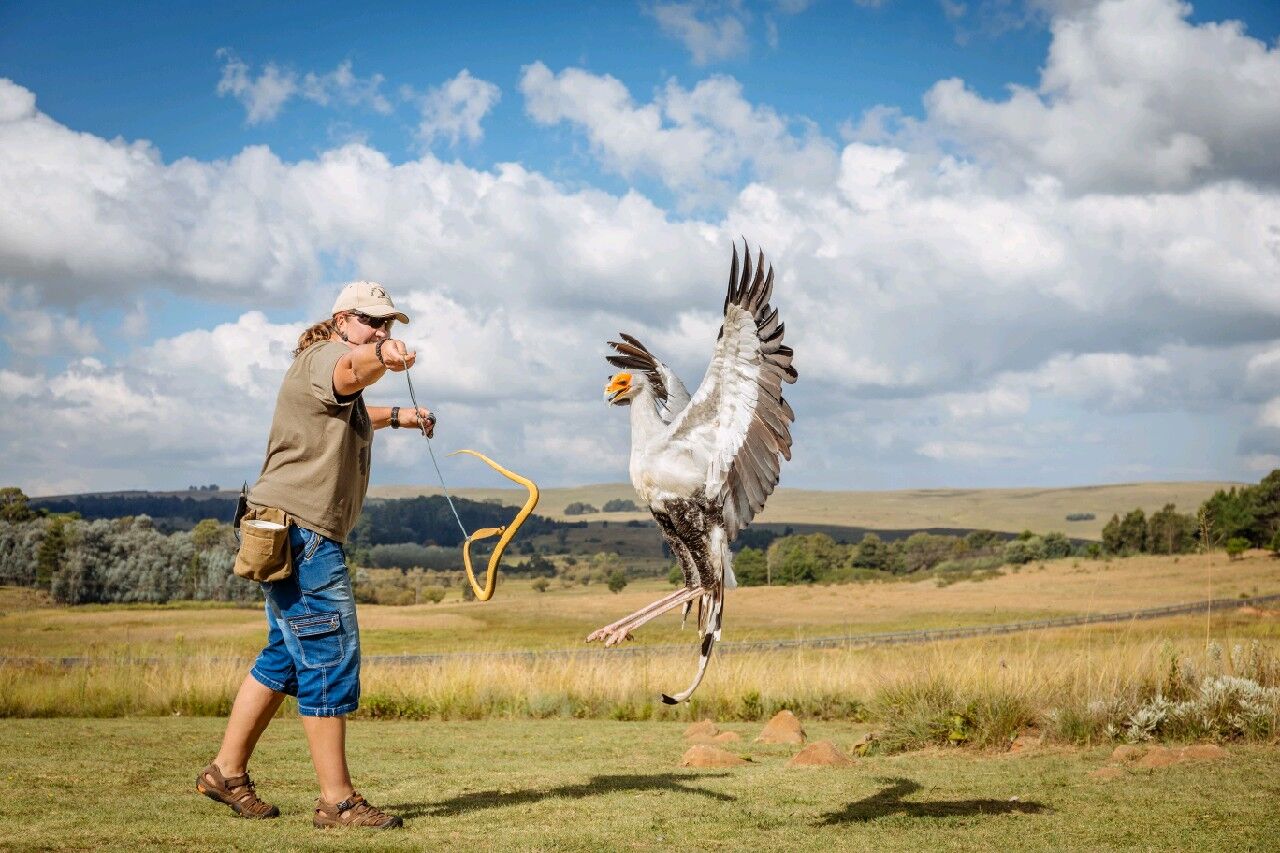
Here at the centre, when we fly birds, it is done for fitness and rehabilitation purposes. This is necessary work to get birds ready for release back into the wild. Some birds cannot be released but still need to be flown to keep in shape and optimal health. The flight displays are therefore not viewed as “entertainment” but rather as necessary for the welfare of the birds. At the same time it is a great opportunity to educate the public as to the plight of raptors.

Indigenous wildlife that comes through the rehabilitation centre, but are deemed non-releasable, we are able to give a home to where they can act as ambassadors for their species. As we take in all species of wildlife, our walk through enclosures are not only of raptors, but of selected other species as well.
Rehabilitation
Development is consuming thousands of hectares, covering the indigenous bush with roads, housing estates and factories. Orphaned, abandoned, injured and displaced indigenous birds, mammals and reptiles are in need of assistance. The majority of these animals end up either at veterinary facilities or zoos. Wildlife rehabilitation centres fall between these two areas and cater specifically for injured or orphaned indigenous wildlife species.

Annually, hundreds of raptors are injured or killed by vehicles, fences, traps, power lines, poisons or are illegally removed from nesting sites. We rehabilitate scores of survivors annually in an attempt to give them a second chance. The rehabilitation process for a wild animal is a very intensive period which incorporates various factors, including veterinary treatment, correct dietary provisions, adequate enclosures and as little human interaction as possible. Releases take place in carefully chosen areas including reserves and conservancies, but wherever possible, animals are returned to their original location.
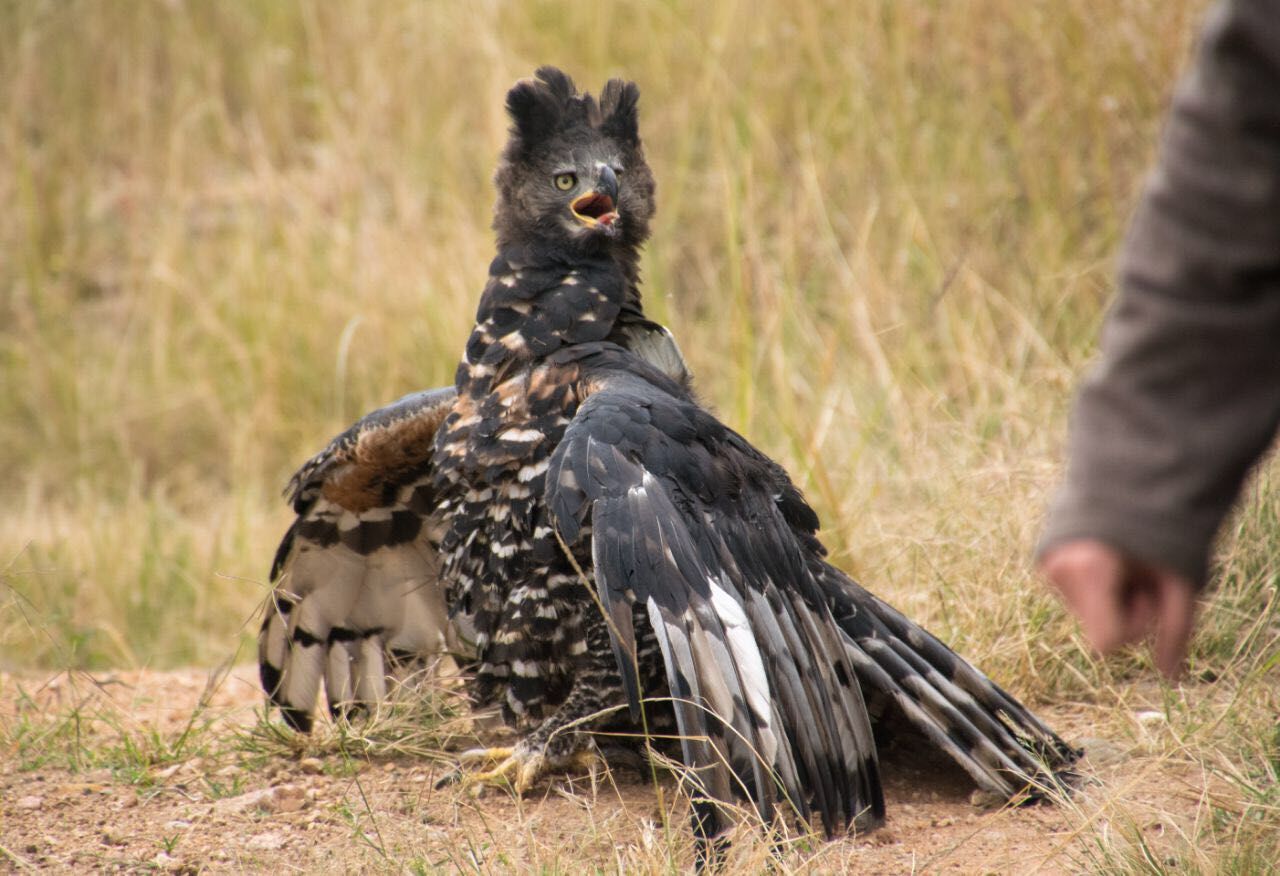
Wildlife Rehabilitation is very necessary, and has a very important role to play in conservation. There is a dire shortage of professionally run rehabilitation centres for wildlife in South Africa. There are a number of animals that are endangered and whose gene pool is very limited, so every individual saved is beneficial to the species as a whole.
Captive breeding
We have a successful controlled captive breeding program with many raptor species found here in South Africa. Offspring born to our captive residents are reintroduced back into the wild whenever possible.
We also have resident birds that act as surrogate parents for orphans that come to the hospital.
Release programme
Over the years we have been quite successful in our rehabilitation programme and to get an animal back into the wild is our ultimate goal. This is not always as easy as it sounds and takes a great deal of time and patience. Release sites have to be carefully chosen and post release monitoring is an area that we still are trying to develop.
Operating hours: Wednesdays to Mondays 09:00 to 16:00.
Entrance fees :
Children under 3yrs: Free
Children (3yrs – 12yrs): R40
Adults (13yrs+): R70
Pensioners: R60
Cover Charge: R10 per person (fishing, picnics, birthday parties)
For bookings and more information, contact 082 899 4108 or email info@wildlifesos.co.za.