KNP wildebeest destined for new home
A new digital radio system has been installed in the park for communication across the park and to link into the new Anti-Poaching Operations Control room.
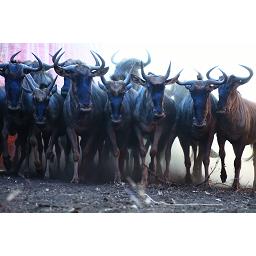
About 50 blue wildebeest were captured in the Kruger National Park (KNP) and transported to Zinave National Park in Mozambique last week.
The Peace Parks Foundation (PPF), Mozambique’s Ministry of Land, Environment and Rural Development, South Africa’s Department of Environmental Affairs and SANParks are partners in this project to jointly develop the Great Limpopo Transfrontier Conservation Area and move more than 800 animals including wildebeest, zebra and impala, to the park to re-establish wildlife in an area where it has gone extinct.
Zinave National Park is the Mozambican component of the Great Limpopo Transfriontier Conservation Area that also includes KNP, Gonarezhou National Park in Zimbabwe and Limpopo and Banhine National Parks in Mozambique.
ALSO READ:BREAKING NEWS: Field ranger killed by alleged poachers in KNP
SANParks Veterinary Wildlife Services operations coordinator, Lourens de Lange told journalists who accompanied the team that about 300 impala, almost
100 wildebeest and 50 zebra have already been translocated.
Being abundant species in the Kruger, these numbers won’t be missed at all, but will instead form part of a unique conservation project between two countries.
PPF covers the costs involved in the logistics of capturing, transporting and releasing the wildlife in Zinave.
After being captured by a team of SANParks experts, the animals were mildly sedated for the 26-hour journey over
1 300 kilometres.
According to De Lange, the mortality rate during such a journey is usually around three per cent, but that the total gain is worth the loss.
Having been declared a protected area in 1972, Zinave was ravaged by 16 years of civil war from 1977 to 1992, causing a gradual decimation of most of the wildlife in the area.
Mozambique’s National Agency for Conservation Areas and PPF signed a co-management agreement in 2016 to jointly develop Zinave as an integral component of the Great Limpopo Transfrontier Conservation Area.
The aim is to rehabilitate the area, reinstating the ecological status that had occurred before and conserving nature for the benefit of people and animals alike.
ALSO READ:KNP rangers nab cop and seven others for poaching
Zinave offers 408 000 hectares of prime wildlife habitat and various species have already been reintroduced into the park, including elephant, blue wildebeest, impala, Cape buffalo, kudu, giraffe, zebra and waterbuck.The animals are first released into a 18 600-hectare fenced sanctuary to acclimatise before being integrated in the larger expanse of the open protected area system. The park also needs to enlarge its ranger force, and an additional 34 rangers from local communities were already trained and appointed.
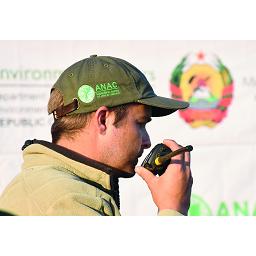
A new digital radio system has been installed in the park for communication across the park and to link into the new Anti-Poaching Operations Control room.
The rangers have been trained in strategic patrol planning and equipped with Spatial Monitoring and Reporting Tool (SMART) tracking systems.
The PPF dream is to re-establish, renew and preserve large, functional ecosystems that stretch across international boundaries, thereby protecting and regenerating natural and cultural heritages that are vital to enabling and sustaining a harmonious future for man within the natural environment.
ln order to achieve this vision of “Restoring Tomorrow” for life on earth, the foundation facilitates the establishment of transfrontier conservation areas across southern Africa that safeguard the integrity of biological diversity and critical natural resources, while contributing to the development of shared economic benefits and poverty alleviation.
This is achieved by harnessing the potential for ecotourism development, which is the fastest growing industry worldwide, to provide sustainable economic growth, as well as fostering community development.