Yellow lane driving: Rude and illegal
Driving in the emergency lane to avoid traffic is not legal.
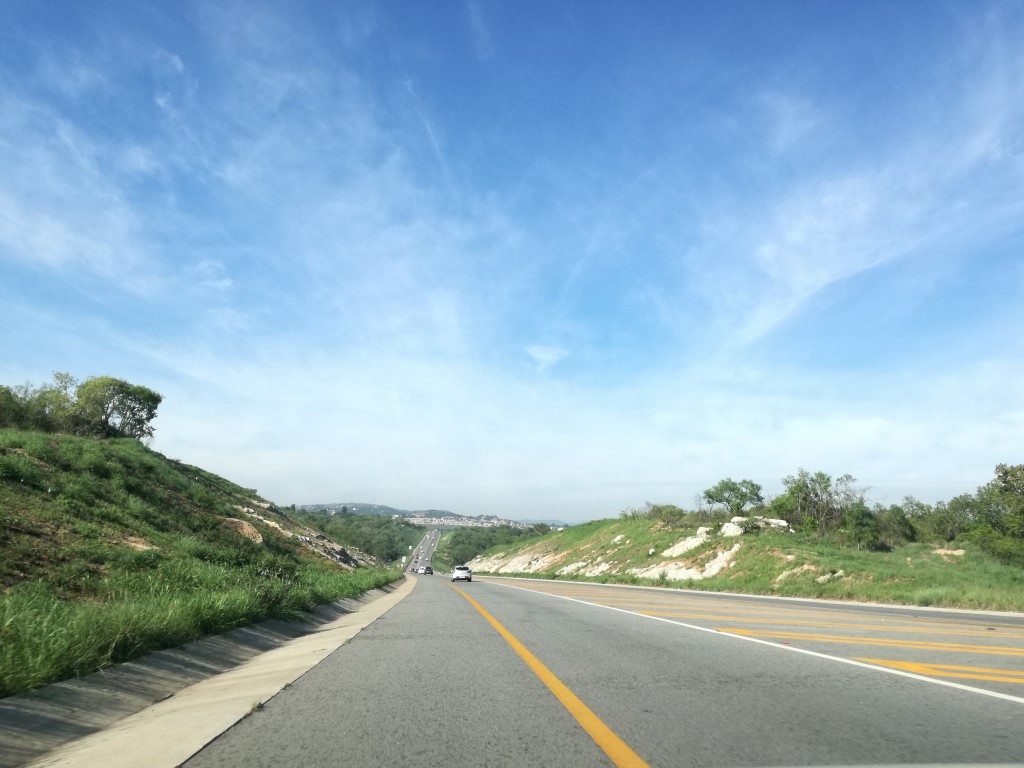
Obeying the rules of the road is non-negotiable, every driver should know what the consequences will be if they step out of line. Along with traffic laws comes a lot of uncertainty, and it’s advisable to know your rights.
A common misunderstanding among motorists is the law regarding the usage of the yellow lane. When are you permitted to use it? Are you obliged to move into the yellow lane if a vehicle wants to pass you on an open road? Or, are you within your right to continue your steady path?
The answer is quite simple and clearly laid out in Regulation 298A of the National Road Traffic Act which refers to yellow lines. Legally speaking, the only time you are allowed to use the emergency lane is if you have a real emergency, such as if your car breaks down, if you are rushing to the hospital, or need to pull over immediately in the event of a medical emergency.

Who is permitted to drive in the emergency lane?
On a freeway, the emergency lane is reserved for emergencies only like police vehicles, fire-fighting vehicles, emergency response vehicles, rescue vehicles and ambulances, so if you need to use it then the purpose needs to be for the same kind of reasons. Using the emergency lane as a “passing lane” on a freeway is not acceptable at all. Emergency lanes are there to provide easy access to emergency vehicles and obstructing their route could result in people not being attended to on time.
READ MORE: Traffic officer injured in secondary accident
When are you allowed to be in the emergency lane?
Other than a vehicle breakdown, the only exception for normal motorists is if you are travelling on a single carriageway road with one lane in each direction. In this case it is permitted to move into the emergency lane to allow faster moving cars to pass you. However, the Act clearly states that if you are moving aside to allow vehicles to pass, you can only do so during daytime hours, which means between sunrise and sunset. By law you are required to make sure that you have at least 150m of visibility ahead before you move over, so under no circumstances can you slip into the yellow line on a blind rise.
Similarly, on an open road, if there is heavy rain, mist or fog that hinders visibility, the emergency lane is out of bounds as you may hit a stationery vehicle, or worse, a pedestrian.