NHA urges inclusive conservation activity
The Natural Heritage Alliance has called on government to remain committed to inclusive conservation, saying both people and wildlife must benefit from shared landscapes and sustainable biodiversity policies.
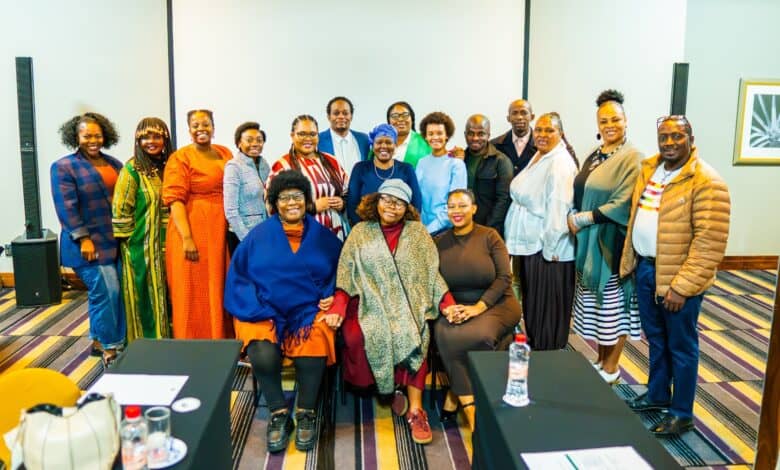
It has been five years since South Africa adopted the recommendations of a high-level panel of experts on elephants, lions, rhinos and leopards, with the Natural Heritage Alliance (NHA) urging government to remain consistent and committed to inclusive conservation.
According to the NHA’s spokesperson, Gogo Sibeko, the recommendations marked a major shift in conservation by placing both people and wildlife at the centre of shared landscapes.
“The NHA, established in 2022, brings together communities, women leaders, youth, and traditional healers and leaders to ensure conservation is not only about protecting wildlife, but also about justice, equity and livelihoods,” she said.
ALSO READ: WATCH: Letaba staff evacuated as KNP floods reach 26-year high
She acknowledged progress made through the white paper on conservation and sustainable use of South Africa’s biodiversity, as well as new laws that are beginning to reflect a more inclusive conservation approach.
However, Sibeko warned that government must act with urgency, consistency and clarity to maintain momentum.
ALSO READ: KNP FLOODS UPDATE: SANParks closes day visitor access
“Mixed signals risk undermining trust and slowing transformation,” she said.
The NHA believes inclusive conservation requires collaboration with communities with ancestral knowledge, allowing them to play a leading role in environmental stewardship.
Sibeko said civil society is ready to work alongside government as a partner and co-implementer in conservation efforts.
Sibeko said the five-year commemoration should not only be seen as a celebration, but also as a call to action to address biodiversity loss, climate pressures and inequality.
“The success of this partnership will determine whether lions, elephants, rhinos and leopards become symbols of hope in landscapes where people and nature can thrive together,” she concluded.