Hair and beauty salons may be forced to cut staff
New compulsory deductions in the hair and beauty industry are forcing local companies out of business and costing people their jobs.
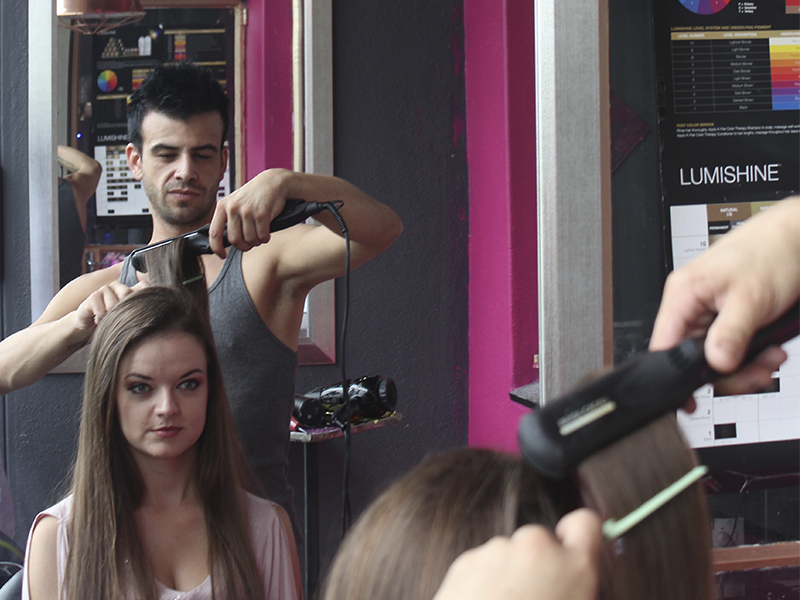
Although the law is enforced by the National Bargaining Council for the Hairdressing, Cosmetology, Beauty and Skincare industry (HCSBC) there is no indication of how these payments are benefiting those in the industry.
The bargaining council’s area of jurisdiction previously did not include Mpumalanga, but in November 2017 the minister of labour extended the council’s scope to a national basis.
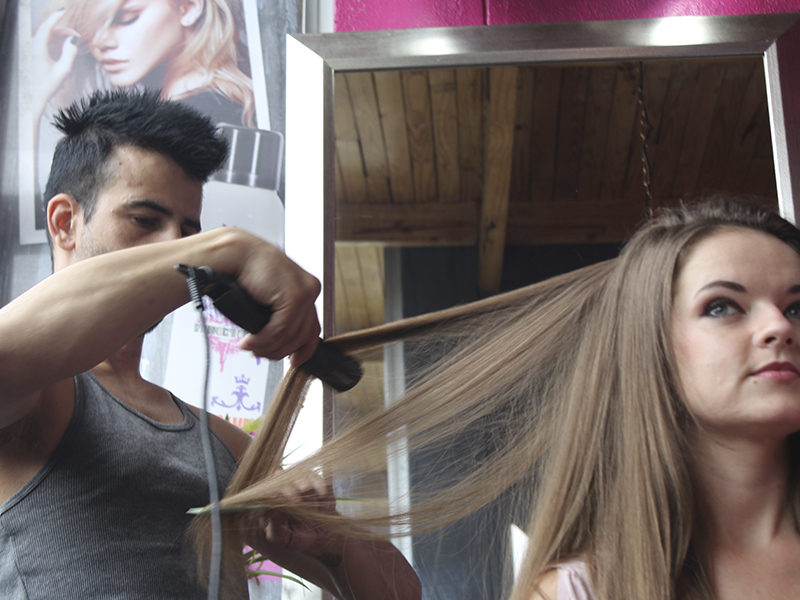
Local HCSBC members say they were given until this month to comply.
Most people in the industry who spoke to Lowvelder said they do not even know what they are paying for.
The Bargaining Council Agreement requires all salon owners to pay a prescribed minimum wage, contribute to a pension fund and to the sick pay fund for employees. Workers have the choice to belong to the trade union, but if they do not they have to pay the council a fee.
Contributions to the national pension fund are compulsory for all employees in the industry.
ALSO READ: Mrs Africa finalist make a mark
The representative bodies are UASA (representing employees) and the Employers’ Organisation for Hairdressing,
Cosmetology and Beauty (EOHCB), representing employers. According to their council agreement, some deductions are compulsory for both employer and employees.

Some employers have resorted to closing their businesses, as they cannot afford it, and some have lost their jobs or fear that they will. Others say they are in a worse financial situation as a result.
Employees and employers at hair and beauty salons are also confused.
One employer in Mbombela said it is a very stressful time for everyone, because she cannot afford to pay deductions and this also applies to her staff.
“Most of my personnel are single parents and any deductions affect their monthly budget. I really don’t know what to do because I pay a lot of money for rent and I also need to make sure that all the products to keep the salon running are there.
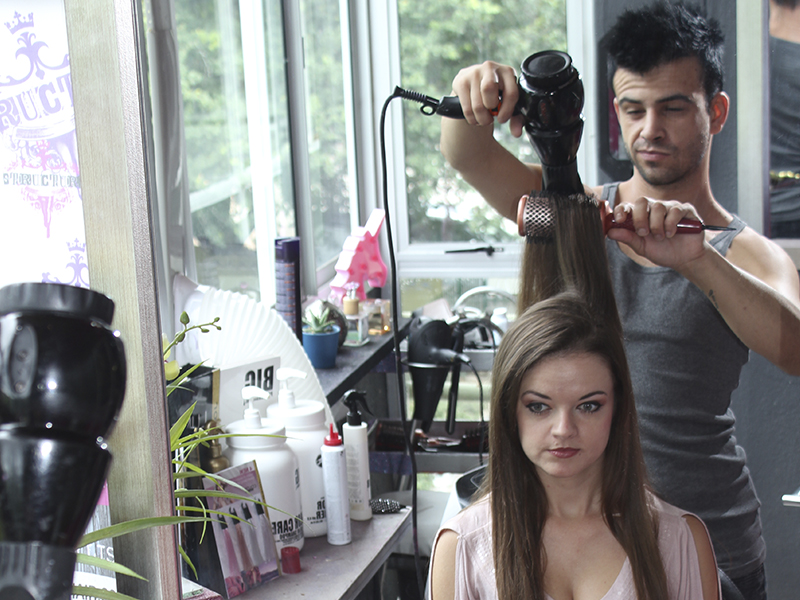
I am not saying I will not comply, but this not easy for us,” she explained.
Both the employer and employee must pay a council levy of 1,3 per cent of the employee’s basic salary, a pension fund contribution of six per cent each, and 0,5 per cent for the sick pay fund.
An agency fee of R120 for personnel and R499 for employers, are for those who do not become members of either UASA or the EOHCB.
The council agreement stipulates that a beauty therapist must earn a basic salary of R6 360,84 per month. If the employers do not comply, a legal process, after mediation efforts to resolve the dispute failed, will be engaged.
ALSO READ:Local woman crowned Mrs Africa Globe 2019
The employees who were earning more than the basic salary said the deductions will affect their monthly budget. One said she is mostly worried about the deductions of the pension funds.
“It is more than what I pay for my personal pension fund which means I will have to pay more than what I am used to. I have kids and I cannot afford anything extra. When I enquired I was told that I must prove that my personal pension fund is better than what the bargaining council is offering,” she explained.
Stephen Delport, CEO of the National Bargaining Council, said the council is willing to provide information to the industry to ensure that employers and employees are educated on the terms and conditions.
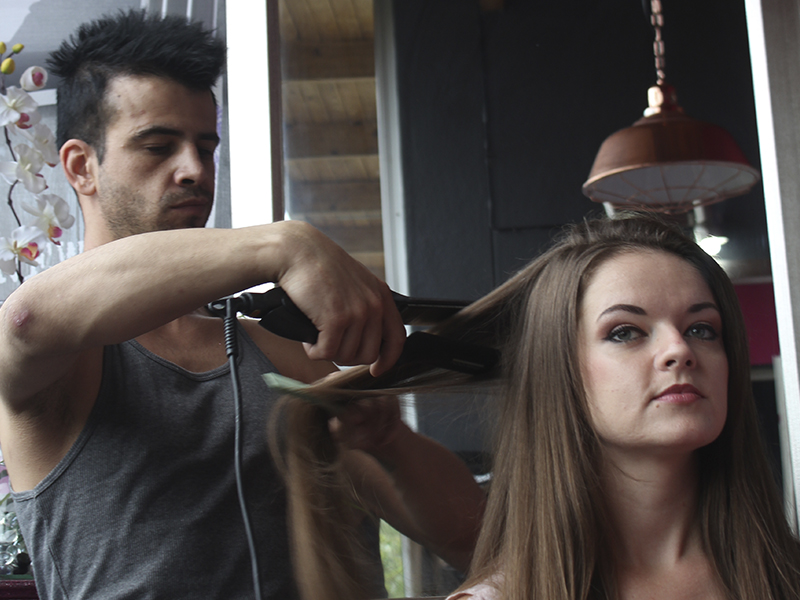
“We have previously held two information sharing sessions, which were poorly attended. We want to explain the process to the employers and employees in Mbombela.”
Delport said a bargaining council is formed to achieve peace, stability and maintain standards in the hair, beauty, cosmetology and skincare industry.
“If an employer cannot afford to pay they can apply for an exemption, provided they follow all processes, which will be heard by the council’s exemption committee. The application should be on the council’s prescribed exemption application form and addressed to the CEO of the council.
All applications for exemption should be supported by supporting documentation and fully motivated. The committee will decide within 30 days of receipt by the CEO. The personnel are allowed to have their own personal pension fund. However, they must also have the one offered by the bargaining council,” he said.
“It is only an employer that can apply for exemption from the industry pension fund, and then they must provide proof that they have an alternative pension fund in place for their employees where the benefits are better than the industry fund.
“The employees must agree to this application. Should such exemption be granted, it will only be granted for one year, after which a reapplication for exemption must be submitted.”
Lionel Lerm, Guardian Employers Organisation Official, said he drafted a petition highlighting the industry’s plight in the Lowveld.
Lerm said the idea is to phase bargaining council regulations into the area and not to ignore law.
“We are asking the council to recognise our region and rethink its implementation strategy. Ideally, terms should be systematically phased in and not blindly forced. The industry needs to survive and then steadily grow into regulations,” he explained.
ALSO READ: NSFAS grant students still struggle to feed themselves and have accommodation
“The petition highlighted terms agreed by employers and employees alike. The approach was to get a sympathetic ear.
Delport was very accommodating and stated that he takes note of the plight. He advised that the affected parties seek an exemption application, however I believe that a collective application could be the way forward.
I call upon all interested parties to communicate and remain informed with each other,” said Lerm.