Local newsNewsNews
Awareness is the Best Defense against Rabies
In September, private veterinary clinics across South Africa in collaboration with the Department of Agriculture provide free rabies vaccination to cats and dogs to raise awareness and understanding about the importance of rabies prevention.
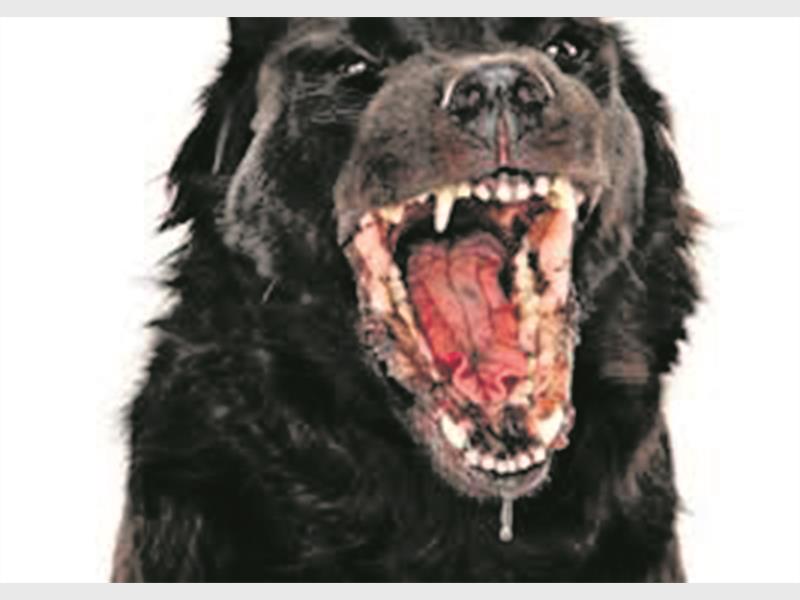
Sterkspruit Veterinary Clinic will again support this initiative against the oldest and deadliest disease known to mankind. Here are a few things you need to know:
- Rabies is a preventable disease that worldwide still kills about 55,000 people needlessly each year.
- Rabies is a viral disease that can be transmitted to animals and humans. The disease is usually transmitted by a bite but exposure may also occur through contamination of broken skin or mucous membranes with saliva from an infected animal. It is possible that virus shedding in the saliva of infected animals could take place before the symptoms of rabies are seen. Following infection, there is an extremely variable incubation period ranging from weeks to years prior to onset of symptoms.
- Rabies is primarily a disease of children, who are particularly at risk from this terrible disease, due to their close contact with dogs- the major global source of rabies. Children are more likely to suffer multiple bites and scratches to the face and head, both of which carry a higher risk of contracting rabies. Children are often unaware of the danger that dogs transmit rabies and may not tell their parents when a bite, lick, or scratch has occurred.
- Once nervous symptoms of the disease develop, rabies is fatal to both animals and humans.
- The good news is that rabies is easily preventable.
- Vaccination prior to possible exposure is a crucial part of health management of domestic animals, and is the single most important factor in rabies prevention.
- Rabies prevention starts with the animal owner. Protect yourself, your pet and your community by taking animals to be vaccinated. This is compulsory for all dogs and cats in South Africa in terms of the Animal Diseases Act.
- Vaccinating your own dog at home is not considered to be a valid vaccination. This can have sad repercussions for both dog and owner.
- Moving your dog or cat across a national or provincial boundary in South Africa without it being accompanied by a valid certificate of rabies vaccination is illegal.
- In a recent South African study, it was found that nearly three quarters of all dog bite wounds were caused by a dog which was known to the victim, but not owned by the victim. The message is clear. If your neighbours dog is regularly loose on the streets, it would be prudent to insist that your neighbour proves that his (or her) wandering dogs are vaccinated.
- In 2012, there were 834 confirmed cases of rabies in animals in South Africa, and it is certain that every year thousands of suspect dogs are needlessly sacrificed for testing because their owners failed to have them vaccinated.
- Avoid contact with strange dogs, and don’t be tempted to approach and touch wild animals which appear to be tame.
- If you are bitten, wash bite wounds with soap and water and seek medical attention immediately.
- If your pet is bitten, consult your veterinarian immediately. Prompt and appropriate treatment after being bitten and before the disease develops can stop rabies infection and/or prevent the disease in humans and animals.
In support of rabies awareness, Sterkspruit Veterinary Clinic is offering free rabies vaccinations for dogs and cats from 2 September to 30 September. Call 013 235 4132 for further details.
At Caxton, we employ humans to generate daily fresh news, not AI intervention. Happy reading!