
Thirst on the way as dams dry out
Residents are urged to use water sparingly until the area has received good rainfall.
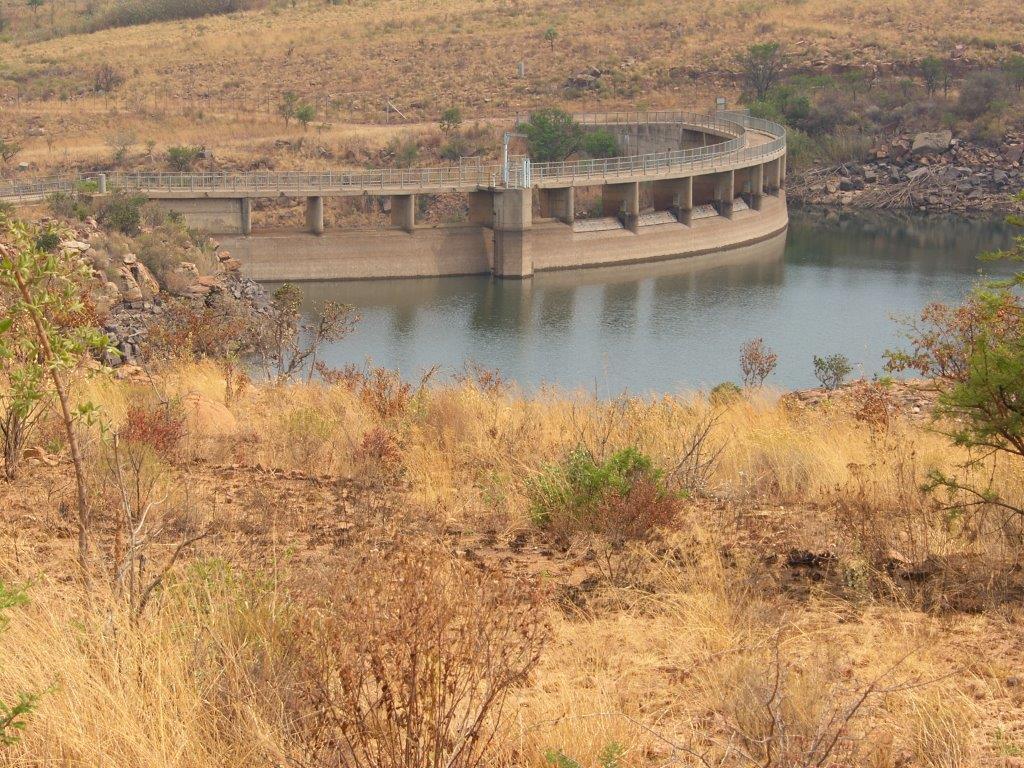
LYDENBURG – Despite the shortlived relief of rainfall experienced over the past weekend, dam levels for the town and surrounding areas are still a major concern and drastically declining.
Up until Monday the whole Lowveld escarpment also experienced a severe heatwave, which in turn contributed to water loss. According to the South African Weather Service (SAWS), the annual maximum, minimum and monthly evaporation rates for Mpumalanga are 197 millimetres, 121 millimetres and 162 millimetres, respectively.
The highest monthly maximum evaporation (248 millimetres) occurs at the beginning of spring up until January. The rate decreases significantly down to 124 millimetres in June. The monthly minimum evaporation ranges between 143 millimetres in September and 88 millimetres in June.
On account of the dropping water levels, the Department of Water and Sanitation (DWS) has reiterated its call on consumers in the province to escalate efforts in saving water until sufficient rain has come. The call comes after some dam levels have plummeted alarmingly in the province. The department said a weekly dam levels report issued last week shows that Mpumalanga’s water storage is on a week-on-week decline.
“The water levels in the province have dropped marginally to 58,9 per cent this week from 60 per cent last week. This is a far cry compared to the same period last year when the water storage in the province was at 71,4 per cent. The heatwave that is experienced in most parts of the province has contributed to this decline due to evaporation, and the lack of rain is not helping the situation either.”
The SAWS was meanwhile predicting the chance of less rain than normal in spring and early summer, moving towards wetter conditions by midsummer. It further stated that its latest models were pointing to the chance of a drier start to the summer rainfall season during the last three months of 2019. The forecast, however, remained very uncertain.
The Lydenburg dam, previously known as the PTC du Plessis dam, has also seen a significant drop in its level. This dam is responsible for the supply of water to the whole of Lydenburg and surrounding areas. The dam has a surface area of about 317360,37 m². If the dam’s level drops a mere metre, an approximate 317 360 000 litres of water is lost.
Themba Sibiya, communications manager of Thaba Chweu Local Muncipality (TCLM) said it is important to note that the dam level is rapidly decreasing, which will bring about a challenge with regard to water supply in the near future.
The Dorps river flowing from this dam’s over-spill has officially dried up. Kwena Dam, which is strategically positioned and crucial for water supply for the provincial City of Mbombela dropped from 40 per cent to 38,1 per cent over the week.
The Dullstroom dam, the only water supply for this tourist town, has also been at an all-time low. Gerhard Delport of FFF Safaris and a resident in Dullstroom said the dam level has never been this low. He said the dam’s levels have never been measured by percentage, but that the decline is evident.
But it is not only Mpumalanga suffering the fate of dropping water levels. The Ohrigstad dam, situated about 50 kilometres from town, is currently standing at only 6,8 per cent. Sibiya said residents are urged to use water sparingly until the area has received good rainfall.