Limpopo is running dry, be water-wise
In these blistering conditions residents are advised to avoid unnecessary exposure and stay indoors until late afternoon when the heat has subsided. Those who are forced by circumstances such as work and school should drink as much as three litres of water a day to cope.
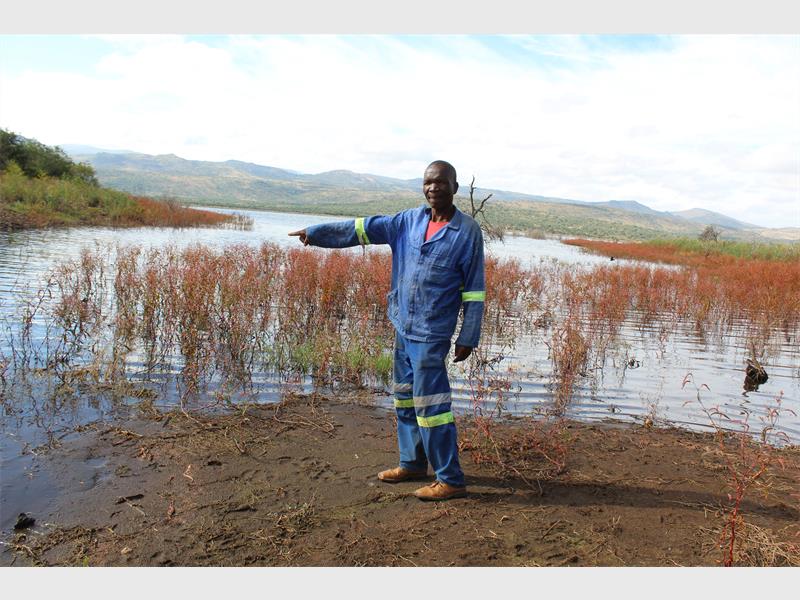
SEKHUKHUNE – The Department of Water and Sanitation in Limpopo encourages water consumers in the province to prioritise water conservation as the situation is alarming.
A weekly report by the department shows that the province’s average dam level has dropped to 51,6 per cent in the past week. The province has experienced exceedingly hot temperatures over the past weeks, which has resulted in most dams declining drastically.
However, scattered rains fell over parts of the province last week and helped to cool down scorching temperatures.
The South African Weather Service issued a warning of yet another heatwave in the province over the coming weekend with temperatures reaching between 33 and 36 degrees.
ALSO READ:
https://steelburgernews.co.za/269755/residents-still-dry-despite-de-hoop/
In these blistering conditions residents are advised to avoid unnecessary exposure and stay indoors until late afternoon when the heat has subsided.
Those who are forced by circumstances such as work and school should drink as much as three litres of water a day to cope. Fizzy drinks and alcohol are a definite no-no.
The department calls on water consumers to continue using it sparingly and adhere to restrictions imposed by their respective municipalities. The weekly report added that water that is stored in reservoirs is 768,8 cubic metres for a capacity of 1 522,3 cubic metres. This is a decline compared the same period last year when readings were recorded at 64 per cent
Figures on the summary of Water Management Area (WMA) for the province, Limpopo reflects a decline compared to last year this time when levels were at 65,5 per cent compared to the current 55,6. Olifants Dam is currently at 48,6 per cent showing a decline compared to last week’s 62,1 per cent, which should alarm Limpopo residents to continue prioritising water conservation at all times.
The report further states that Polokwane Water Supply Systems declined by one per cent from 49,9 per cent last week to
48,9 this week.
The province has 28 strategic dams under the two WMAs, which are Limpopo-North West and Olifants. Water allocation is 84 per cent for agricultural use, 11 per cent for domestic usage, four per cent for mining and one per cent for industries.
About five dams are below 10 per cent – Tzaneen Dam in Groot- Letaba (6,8 per cent), Middle Letaba in the Greater Giyani Local Municipality (3,3 per cent), Modjadji Dam (six per cent), the Glen Alpine in Mokgalakwena declined to 3,5 per cent and Doorndraai Dam is nine per cent.
“The declining dams are having a negative impact on agriculture. The department calls on farmers to always play their role in saving water as it will affect their crops and animals if the dams were to run dry,” said the department’s Welhelmina Moloto.
• De Hoop Dam in Steelpoort, which supplies the community of Sekhukhune and the local mining industry, is at 78,3 per cent, showing a slight decline compared to last week’s at 78,8. Flag Boshielo in the Olifants has declined slightly from 53,7 per cent to 53,1.
The department appeals to water users to continue using water sparingly and adhere to restrictions.
“Water is a scarce resource and catalytic towards economic development and it must therefore be conserved at all times.”