
Volvo Cars to radically reduce carbon emissions as part of an ambitious climate plan
First it was Bitcoin - then Blockchain - and now, blockchain in cars Volvo Cars will become the first carmaker to implement global traceability of the cobalt used in its batteries by applying blockchain technology.
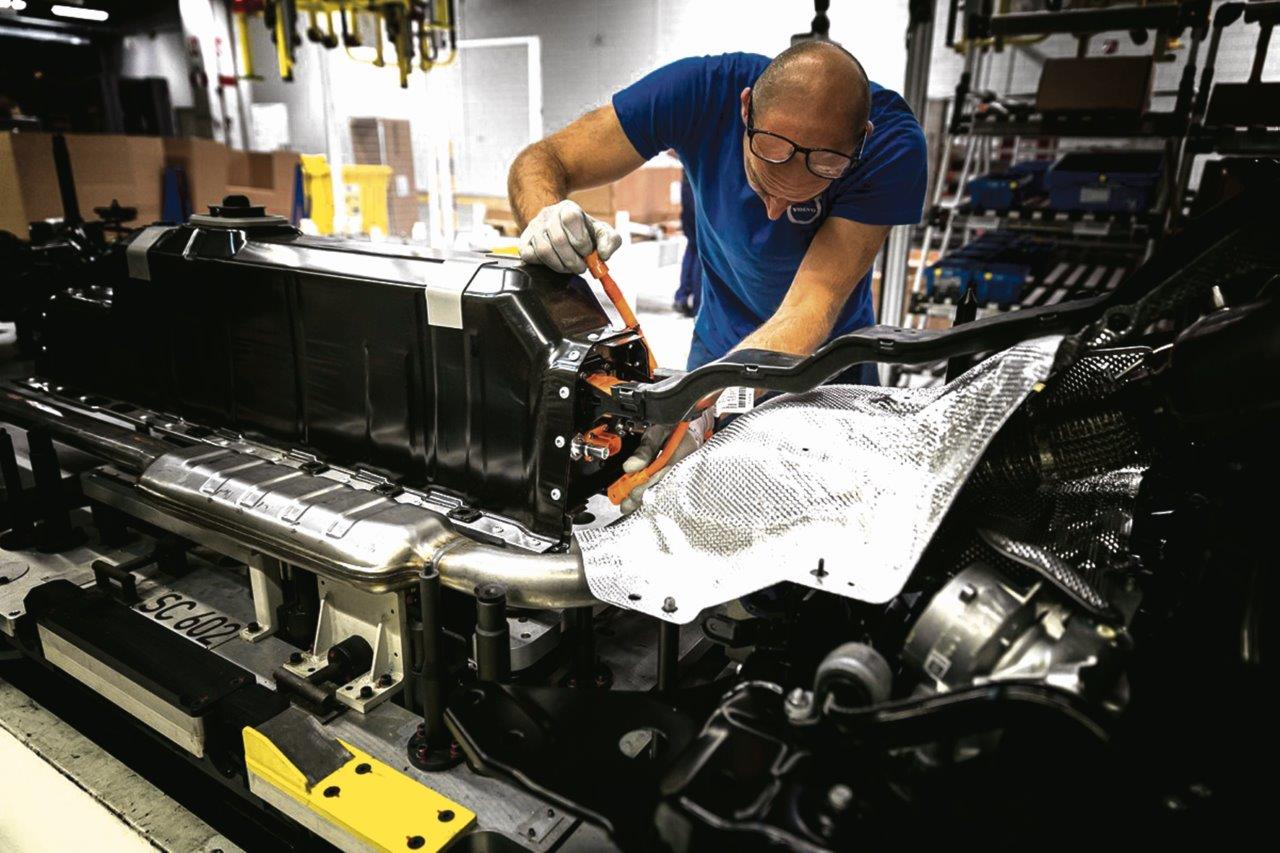
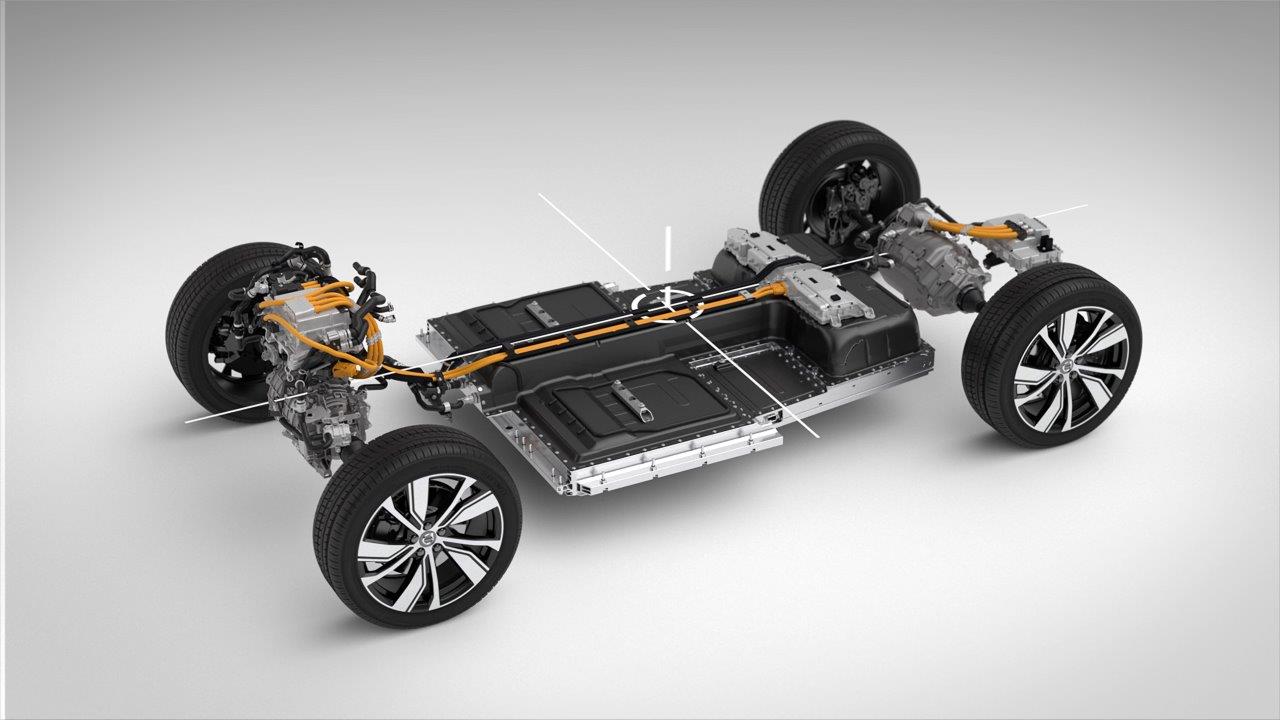
The announcement follows the reveal last month of the company’s first fully electric car, the XC40 Recharge.
Traceability of raw materials used in the production of lithium ion batteries, such as cobalt, is one of the main sustainability challenges faced by car makers.
Volvo Cars is committed to full traceability, ensuring that customers can drive electrified Volvos knowing the material for the batteries has been sourced responsibly.
Blockchain technology, which establishes a transparent and reliable shared data network, significantly boosts transparency of the raw material supply chain, as the information about the material’s origin cannot be changed without being detected.
Technology firms Circulor and Oracle operate the blockchain technology across CATL’s supply chain following a successful pilot earlier this summer, while the Responsible Sourcing Blockchain Network (RSBN), together with responsible sourcing specialists RCS Global and IBM, is rolling out the technology in LG Chem’s supply chain.
ALSO READ: Renault crowned as most Fuel Efficient Brand
“We have always been committed to an ethical supply chain for our raw materials,” said Martina Buchhauser, head of procurement at Volvo Cars.
“With blockchain technology we can take the next step towards ensuring full traceability of our supply chain and minimising any related risks, in close collaboration with our suppliers.”
A blockchain is a digital ledger containing a list of records linked to each other via cryptography. Within supply chains, the technology creates records of transactions which cannot be changed, while also enforcing a common set of rules for what data can be recorded.
This allows participants to verify and audit transactions independently.
In this particular case, data in the blockchain include the cobalt’s origin, attributes such as weight and size, the chain of custody and information establishing that participants’ behavior is consistent with OECD supply chain guidelines. This approach helps create trust between participants along a supply chain.
ALSO READ: Film immortalises classic cars
Last month, Volvo Cars also launched an ambitious climate plan, which includes a radical reduction of carbon emissions by 40 per cent per vehicle by 2025, as well as a continued commitment to ethical business across its entire operations and supply chain.
South African Commentary
According to Greg Maruszewski, managing director of Volvo Car South Africa, cobalt has long been a conundrum for vehicle manufacturers.
“It is a mineral that is essential to the production of the lithium-ion batteries that power electric cars. But, sadly, it has long been suspected that some of the cobalt comes from mines that don’t use ethical mining practices.
“Now, thanks to blockchain traceability, we will know that the cobalt has been sourced responsibly. We are the first and only vehicle manufacturer that can make this statement. Accordingly, South African motorists who buy a Volvo in our XC90 T8 range can do so with pride – with the guaranteed knowledge that only ethical mining practices have taken place in the cobalt supply chain,” he explained.
ALSO READ: KIA Seltos will soon make its debut