Covid-19 results in more snares in Kruger Park
With the number of snares in the Kruger National Park (KNP) surging, the area has seen scores of wildlife trapped and injured. This has resulted in elephants losing the tip of their trunks and lions, hyena and wild dogs narrowly surviving horrific wounds.
SANParks’ spokesperson, Isaac Phaahla confirmed the increase in snares, saying this affects most of the park.
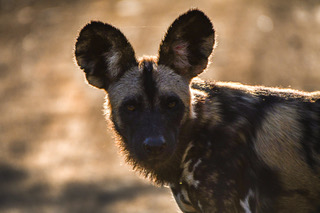
South Africa’s most endangered carnivore, the wild dog, appears to be one of the animals most affected by the scourge in the Kruger, with 10 per cent of its population caught in snares over the past five years.
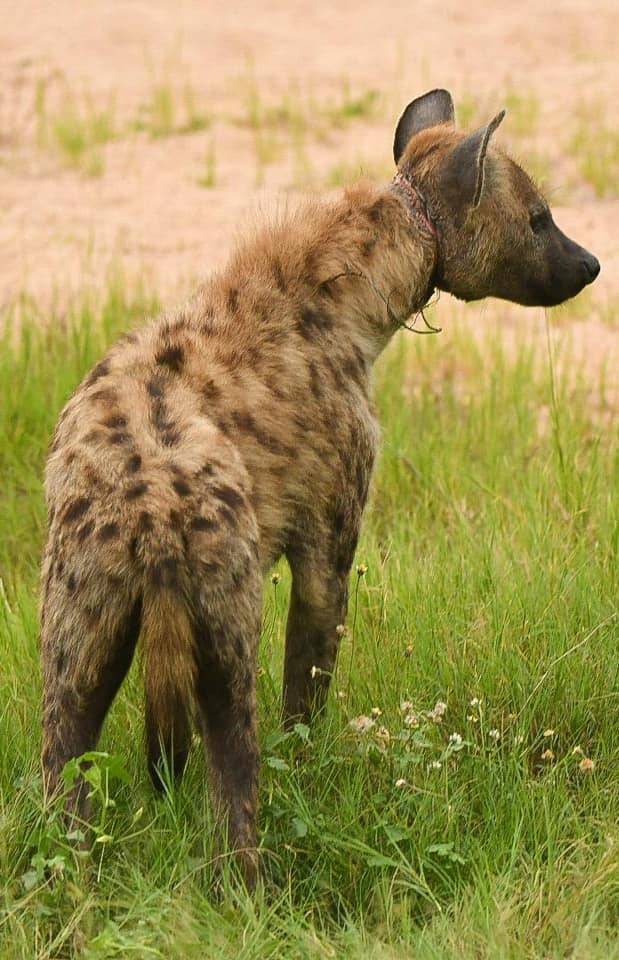
“Hyenas and wild dogs seem to be the most affected in the KNP,” said Latest Sightings founder, Nadav Ossendryver.
“This is because they move the most and have larger territories, but we have seen snares around elephants’ trunks, lions’ necks, on buffalo, kudu and impala. It is terrible.”
Ossendryver said people would sometimes post pictures of snares in the park to the group, alerting authorities.
“SANParks has asked people to report it directly to them now, but when we were receiving information on them, we would hear and see terrible things. We would get pictures of snares wrapped around elephants’ trunks and sometimes half of it had to be amputated.
“Luckily, they can still survive after the snare has been removed, but it cuts off oxygen so they cannot breathe properly. It is torture for these animals,” he said.
ALSO READ: Mpumalanga water levels keep dropping despite rain
“We were receiving reports of snares in the park every two to three days. The snares are primarily for buck, but they trap and severely injure other wildlife all the time.”
The Endangered Wildlife Trust’s (EWT) wild dog researcher, Grant Beverley, said in the past few months, five wild dogs have been injured in these traps in the Greater Kruger National Park and surrounding conservation areas.
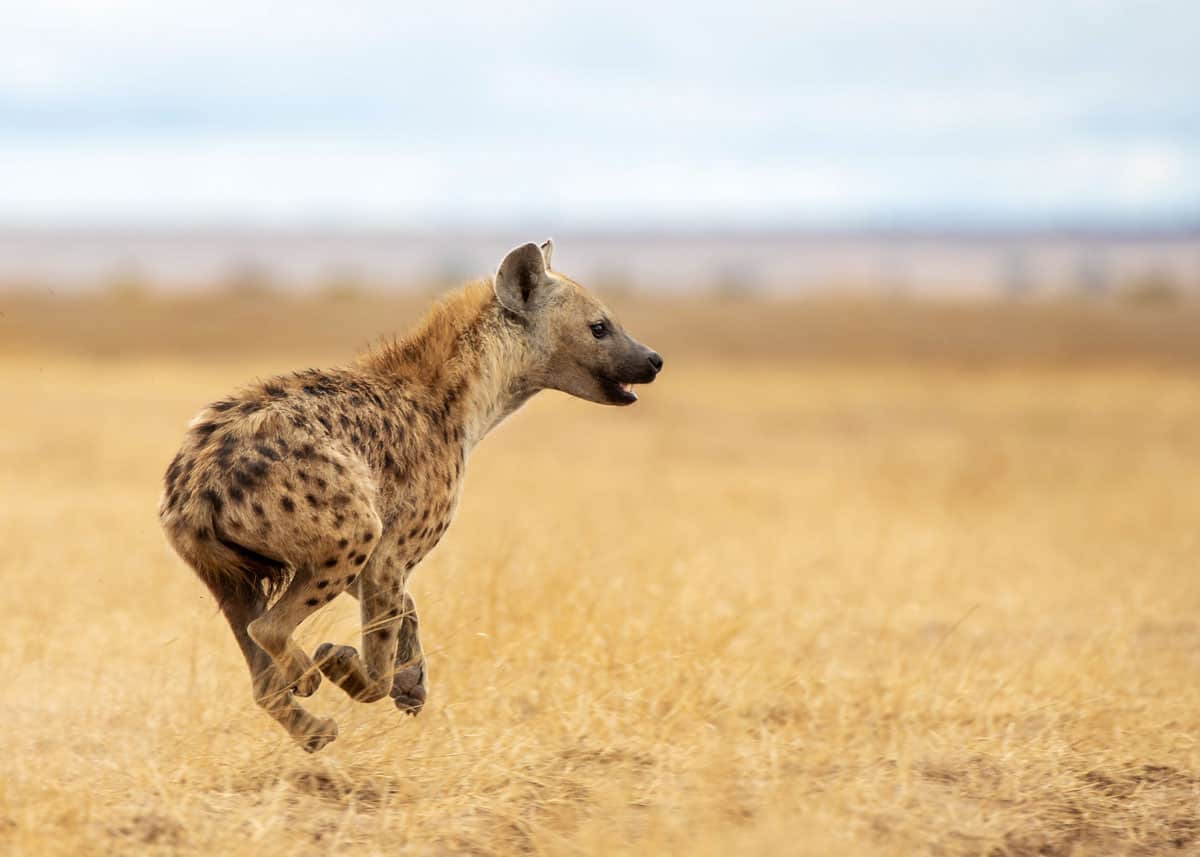
“Anecdotal evidence suggests that as a result of the pandemic, snaring has increased, affecting other species far more, such as a sharp increase in the number of hyena traps,” said Beverley.
“Wild dogs are especially vulnerable as they often using game paths when on the move. Snares are not set to catch them, but to target antelope and other ungulates for bushmeat.” Beverley added that addressing this is “unfortunately rather complicated”.
“I can only encourage tourists and visitors to report any animals with snares using the right channels within SANParks. The EWT, in partnership with Louis van Schalkwyk, plans on rolling out a near real- time monitoring platform using a specially developed application to identify areas of high risk to monitor hotspots and assist rangers,” he said.
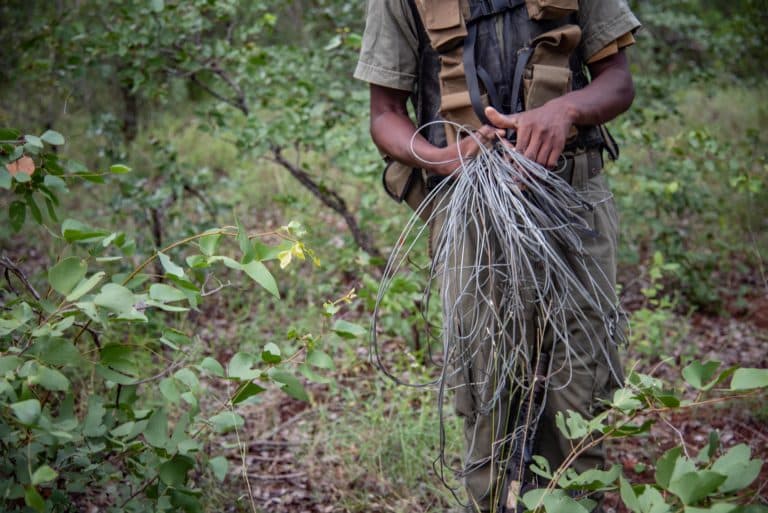
Drew Abrahamson of Captured in Africa Foundation and Pit-Track K9 Conservation and Anti-Poaching, also added that the rise in such incidents “definitely started increasing at the onset of Covid-19”.
“Reserves have found themselves in extremely difficult positions with no income being generated from tourism and had to close lodges and have skeleton staff as most were retrenched.
“Security within the reserves as well as the regular tourist game drives stopped completely during the most part of lockdown and have only started resuming, although very slowly. There have been fewer eyes and ears on the ground and the effects of this have been felt far and wide.
“It is difficult to say how many animals have fallen prey to snaring, as the expanse of our protected wildlife spaces is extensive, with millions of hectares not being able to be covered by anti-poaching units,” she said.
“Snaring and subsistence poaching have been a battle that every protected fenced or non-fenced wildlife area throughout Africa have faced for many years.
“The majority, and if not all reserves, borders community areas where many people are fighting for their survival.
“Snaring is predominantly for bushmeat, however, it is indiscriminate and many of larger species such as elephant, lion and leopard, all the way down to jackal and hyena, find themselves caught with no way of freeing themselves,” said Abrahamson.
ALSO READ: Lowveld Media staff and SANBS work together to collect blood
“If the animal does manage to do so, the agony it goes through must be excruciating. Many elephants lose the ends of their trunks and are then unable to drink or forage for food. Predators often try to bite through the snare to free themselves and will even go so far as to gnaw through their paws.”
She said the effects of such incidents are detrimental to wildlife numbers, especially that of large game.
“For example, leopard are solitary animals with no pride structure and if a lactating female becomes snared, she could have up to three cubs to look after that rely solely on her for survival. That would be four lives lost and not just one.
“When it comes to lion, if it is a pride male that has been caught, he could have one or two prides that he is dominant over. These could have in excess of eight to 12 cubs that will fall victim to males looking for a territory to take over, and based on those circumstances, there would be up to 13 lives lost.”
Phaahla said the park had noticed a surge in the number of snares in and around it. He said most parts of the Kruger had been affected by illegal snaring activity and that this had impacted on operations as well as the well-being of its wildlife.
ALSO READ: White River based wildlife expert killed in aircraft accident
“We constantly have to remove snares while still performing our regular conser-vation duties.”
Phaahla encourages members of the public to always check where they buy their meat from and to report snaring activity if spotted.
“Snares don’t choose; any animal that goes through it will get caught,” he said.