
Where the lightning strikes in summer…
With the Lowveld's blistering summer also comes many magnificent thunderstorms, making the city one of the highest density lightning-strike areas in the country.
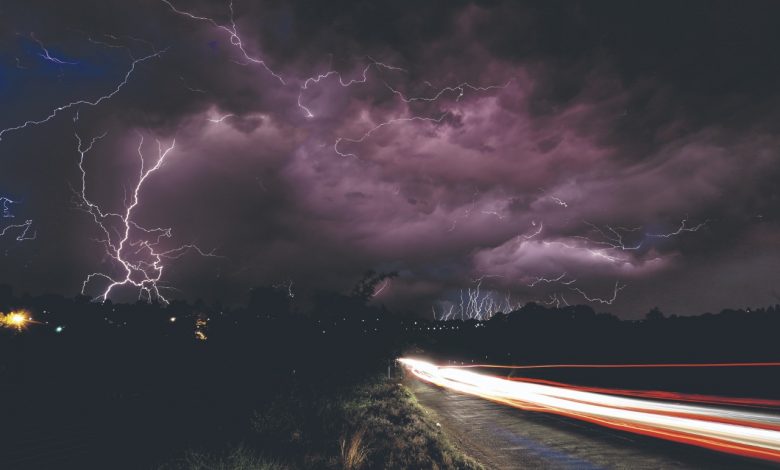
Experts have said the region is prone to lightning strikes, with Mbombela in particular attracting a high number of strikes per square kilometre per annum.
“The Lowveld has a high number of lightning strikes and is very similar to KwaZulu-Natal and Gauteng in this respect,” said expert, Alexis Barwise of Lightning Protection Concepts.
“Mbombela itself has one of the highest density areas in the Lowveld. Other surrounding areas that are applicable as well include Piet Retief,” he said.
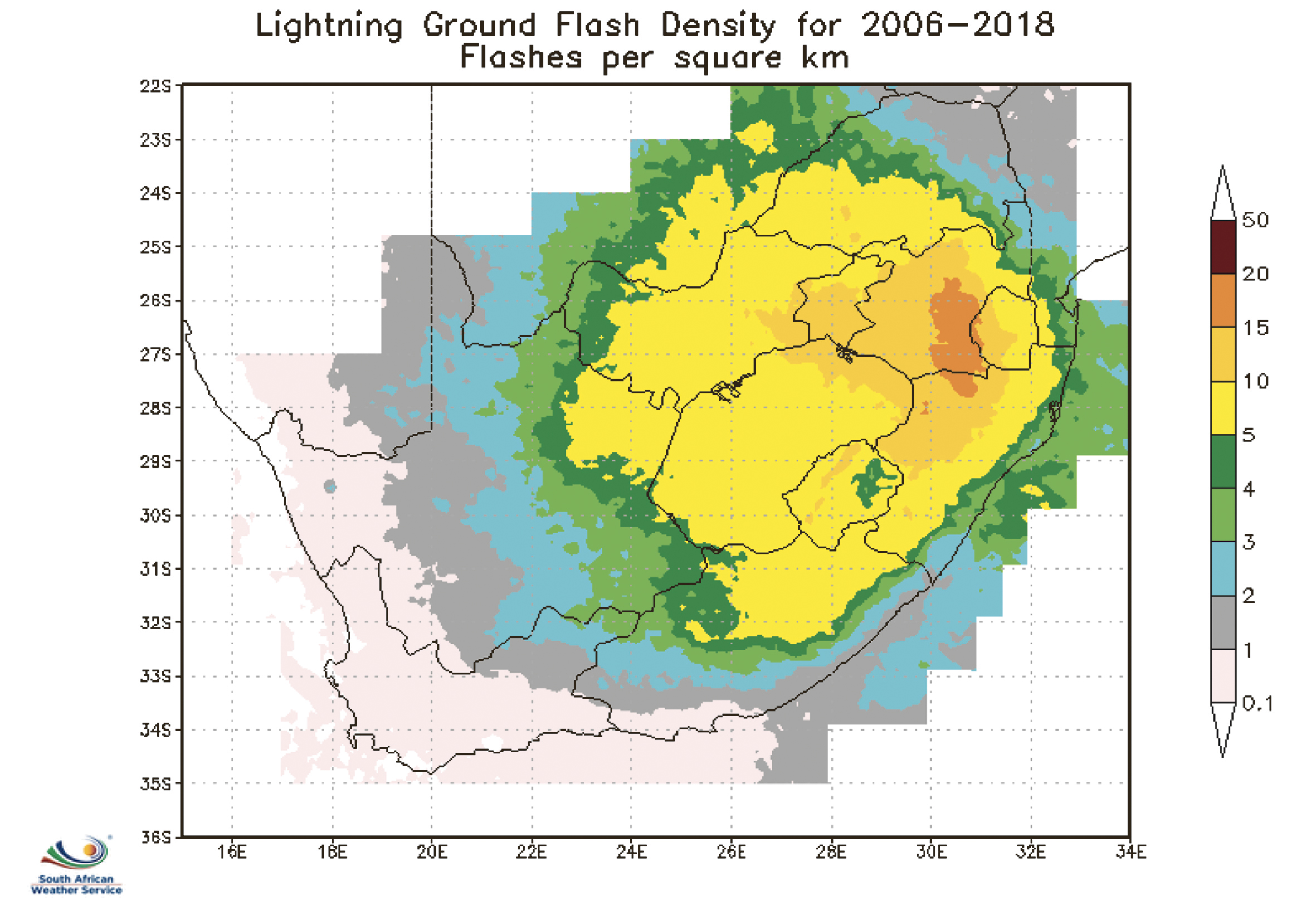
According to Barwise, Mbombela experienced between 10 and 11 lightning strikes per square kilometre per annum, whereas the Kruger National Park, a mere hour away, experiences between three and four strikes per square kilometer per annum.
ALSO READ: PCA goes international
“There are a few reasons why Mbombela has such a high density, such as climate change, increased pollution in the atmosphere and a growing industrial area.
“With more pollution in the air, we have found that it acts as a link for the lightning and it makes the air more conductive than in a natural area like the Kruger,” Barwise said.
“The fact that there is quite a large industrial area contributes to the added pollution. People are used to lightning, but still do not know a lot about it or what to do when it is nearby.
“We lose hundreds of people a year due to lightning strikes and there are several hundreds of injuries. About one in seven or one in 10 people will die due to this. Those who are injured can suffer temporary blindness, loss of hearing and even paralysis.
“When people are electrocuted, it sends a surge through the brain and can damage the nervous system. Things can return to how they were, but it could be months or years. People need to take it much more seriously.”
ALSO READ: Premier to launch 67 brand-new ambulances
When lightning strikes, there are a few things one should and should not do when it comes to staying safe: try to stay indoors when there is a thunderstorm; if you are outside when a lightning storm hits, avoid being around or touching any metal objects; stay away from tall structures such as trees, power lines, open bodies of water and high-lying areas; stay away from windows and doors if you are inside during a storm, and avoid using electronics and taking a shower or a bath.
To determine how far or near a storm is, one can count the number of seconds between when the strike is seen to when it is heard.
“When you see a lightning strike, you count the seconds. Every three seconds equal to about one kilometre. So if you see a strike and then hear it about 10 seconds later, the storm is approximately 3,5 kilometres away.”
Barwise said storms that are closer than five kilometres become dangerous and put people at risk of being electrocuted by lightning.
“If you are out in the open when a storm hits and you cannot get to shelter, you should go to the largest open field you can find and stand with your feet together. This way the electricity from the strike cannot travel through the body.”
ALSO READ: Run and cycle to fight GBV
Other areas with high-density lightning strikes include White River and even Hazyview, which has about eight lightning strikes per square kilometre per annum.
According to the South African Weather Service (SAWS), the highest density of lightning strikes per square kilometre between 2006 and 2018 was in Piet Retief. It has a flash density of 16,9 per square kilometre per annum, followed by Carolina with 15,6.
Machadodorp recorded 14,5 lightning strikes per square kilometre per annum with Barberton recording 13,9.
ALSO READ: Alan Holmes to launch a new book on Marloth
TEXTBOX
As Mbombela prepares for the summer, the SAWS said Mpumalanga residents can expect more rainfall than last year.
It issued its latest seasonal outlook on November 6, confirming that the country is under the influence of a La Niña type of circulation pattern, affecting the Pacific and Indian ocean regions of the southern hemisphere.
“This mode of circulation is expected to intensify in the months ahead,” said SAWS’ climate expert, Kevin Rae.
“The seasonal forecast suggests that most of southern Africa (including Mpumalanga) can look forward to higher-than-normal rainfall in the months ahead, extending through early to mid-summer, up to about January/February 2021.
“We can expect early morning minimum temperatures as well as midday/early afternoon maximum temperatures to be somewhat lower than normal (in comparison to the long-term average) for early to mid-summer, from now onwards, extending up to at least January/February 2021.
ALSO READ: Circuit manager urges matrics to work hard
“This can be partly ascribed to enhanced levels of cloudiness as well as generally more moist air being in circulation over the province,” said Rae.
“The summer of 2019/20 was fairly hot in the Lowveld (as indeed much of South Africa was as well), so it is anticipated that residents and holidaymakers in the region will notice a marked change in prevailing weather for this season.
ALSO READ: Traditional leaders urge lockdown compliance
“Naturally, there will still be short spells of hot, dry and sunny weather from time to time throughout the summer, but overall we expect generally wetter and somewhat cooler conditions in the months ahead, which is no doubt good news for farmers and the general public,” he said.