Illegal mining or recycling at Rimers Creek in Barberton?
Operations started just over a month ago and residents fear that the area, which forms part of the Barberton Nature Reserve, may never return to its original state.
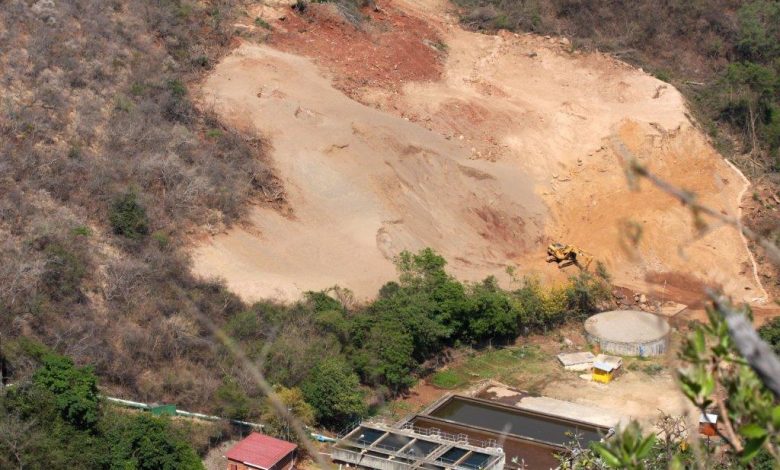
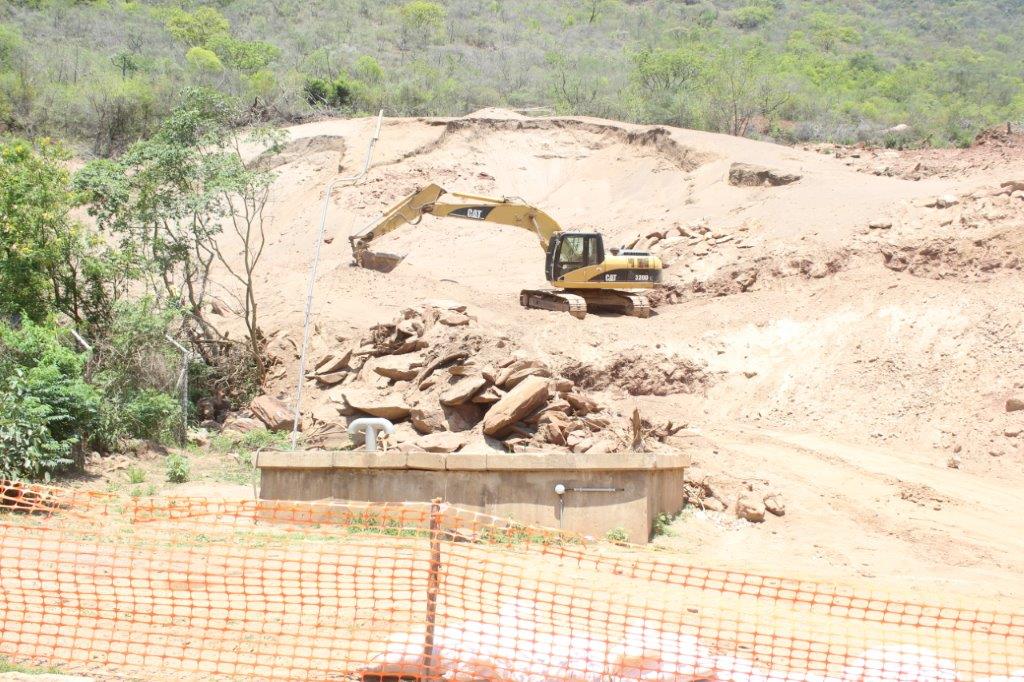
Residents and the owners of Above Average Mine are at loggerheads over what the ratepayers’ association fears may be an illegal mining operation at Rimers Creek, where the town’s water treatment facility is located.
Operations started just over a month ago and residents fear that the area, which forms part of the Barberton Nature Reserve, may never return to its original state.
DA councillor, Phillip Minnaar, and the Barberton/Umjindi Ratepayers’ Association, led by chairman Andy Nuns, have voiced their opposition to what they deem to be illegal activity on the part of Above Average Mining (AAM).
 ALSO READ: Barbertonians face water rationing after poor rainfall
The parties expressed their concern that the go-ahead was given for AAM to operate without having produced documentation indicating that it was above board.
Minnaar posed a number of questions aimed at ascertaining whether the City of Mbombela Local Municipality approved the operation, whether it was tabled to council for approval and whether all relevant permits including water, mining, South African Heritage Resource Agency and Mpumalanga Tourism and Parks Agency permits, as well as an approved environmental impact assessment (EIA), were in place.
Nuns consulted a third party in Johannesburg who conveyed his surprise at the extent of the vegetation that had been cleared.
ALSO READ: Court in short: Updates of prominent cases in Mbombela
According to Nuns’ communication, it was confirmed that the documents would be required to proceed with operations and that, as part of the EIA, an environmental management plan (EMP) had to be instituted by an independent third party.
He further alleged that AAM did not allow any photographs to be taken at the site and that access to interested parties was denied.
“The EMP and contract and terms between the municipality and contractor are not forthcoming, It was all entered into during the lockdown when excavations commenced.

ALSO READ: VIEW GALLERY: Emergency services respond to Mediclinic Nelspruit bomb scare
“They will not tell us which specific areas are to be mined or rehabilitated. No public participation took place and it does not appear as if the contract was approved by council,” he said.
According to Nuns, no responses to the ratepayers association’s concerns have been forthcoming from the municipality and the area falls well within the World Heritage Site and not just within the buffer area.
Further to this are fears that the approximately 90 tipper trucks that make their way from Rimers Creek to Fairview Mine, which Nuns alleges are piled high with contaminated soil, may pose a health risk to residents.
ALSO READ: Police search for men who ambushed municipal staff, allegedly killed guard
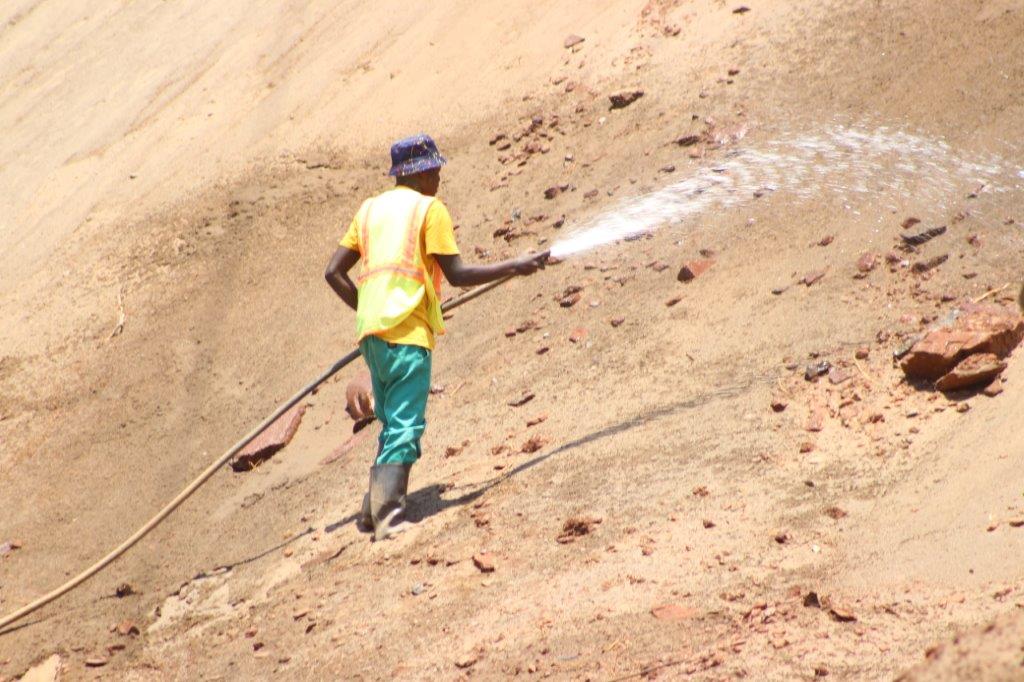
According to AAM CEO, Mdu Mdhluli, the operation was started to remove curlings and avoid soil erosion, because the tailings contain cyanide that may contaminate the water supply at Rose Creek and Rimers Creek.
“As a concerned mining company, AAM has embarked on a recycling programme which we are conducting pro bono. This is a priority because of its proximity to the water treatment works.
“We approached the municipality on how to build the infrastructure to reduce waste during our recycling operation. The difference between rehabilitation and mining needs to be understood in terms of the Ataqua ruling which is a key judgement pertaining to mine waste,” he said.
ALSO READ: Old Joe dons his Christmas look
In terms of the ruling, tailings dumps are movables and as such, ownership vests in the person who removed the minerals as they had occurred naturally in or on the earth.
Mdhluli dispelled the notion that the area, once cleared, would not be rehabilitated.
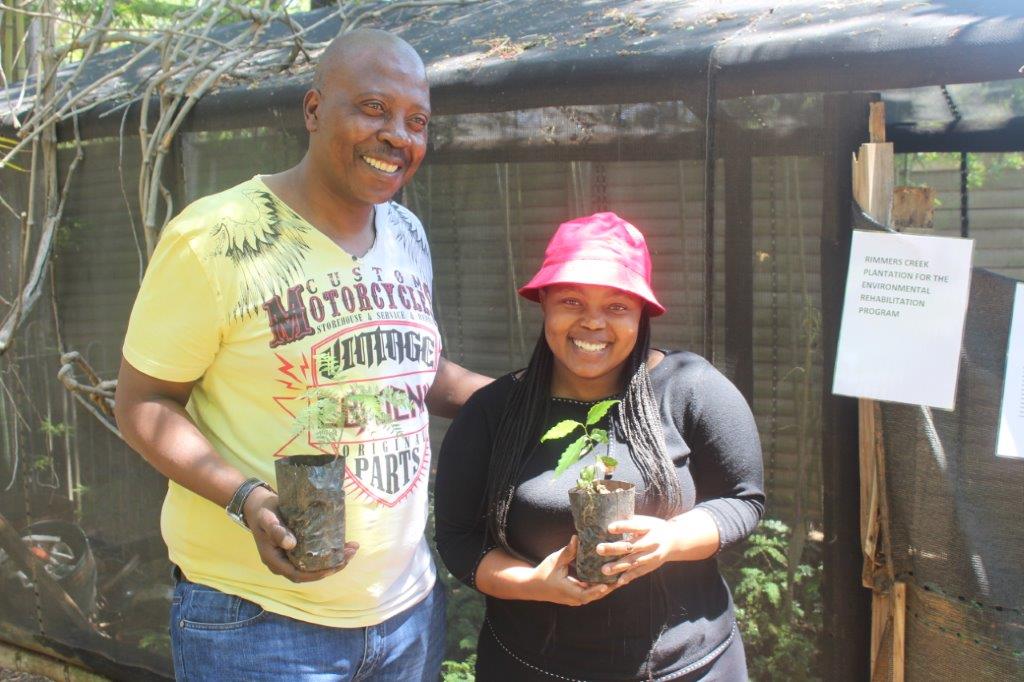
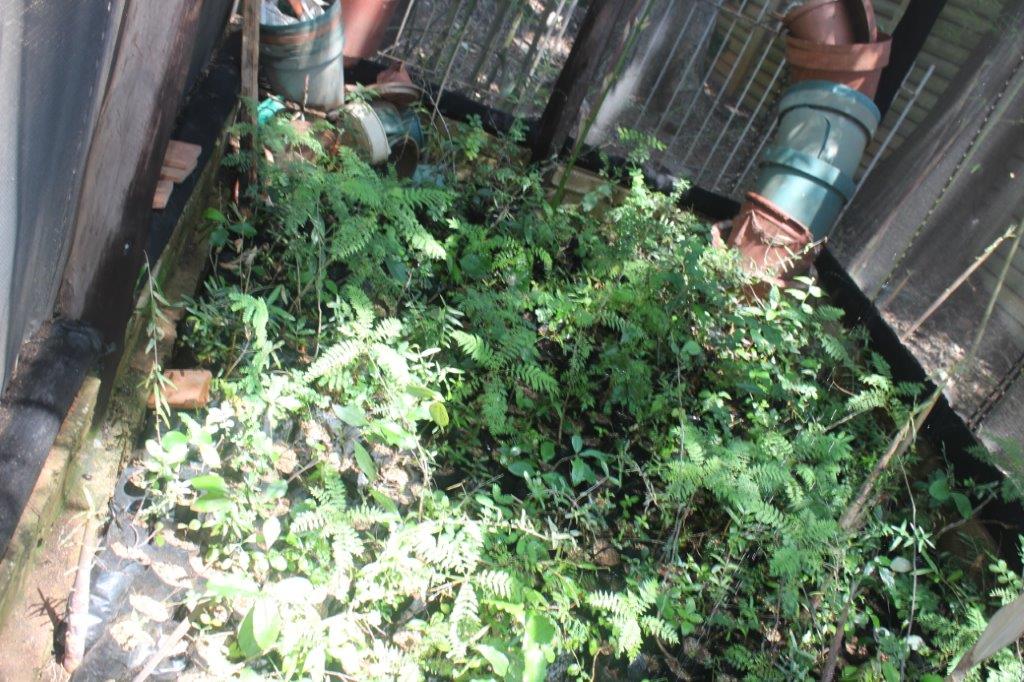
“Before rehabilitation operations started, samples of the indigenous vegetation were removed and taken to a nursery where they are being kept in order to be replanted once operations cease,” he added.
ALSO READ: Church welfare group reaches out to those in need
According to Mdhluli, the area had been mined before or about 1887 and the cyanide extraction method used, which still poses a serious health risk.
He continued, “AAM is not benefiting from the project, but it has created about 45 jobs, with a team dedicated to cleaning any spillages from the trucks.
“We cover our costs, but will return the area to its original pristine state and extend our apologies to the community for the movement of trucks between 03:00 and 19:00.
ALSO READ: PCA helps with corrective shoes for little girl
“This is a trial run but we will continue to remove the sand and transport it away from the residential area,” he concluded.