Eloise brought about destruction… and seabirds
Eloise brought about a rare natural phenomenon, as seabirds were found grounded inland.
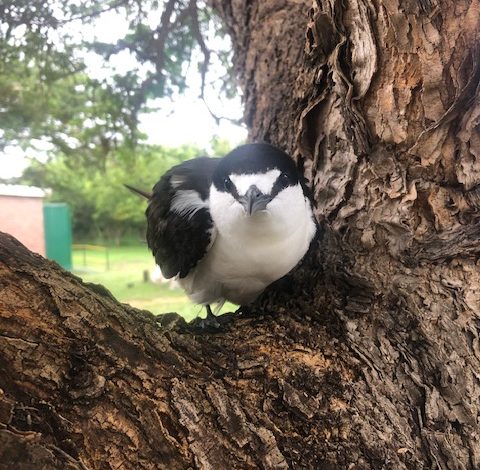
Eloise brought about a rare natural phenomenon, as seabirds were found grounded inland.
A few days after tropical storm Eloise hit the north-east of South Africa, around 53 individual seabirds were found in the Kruger National Park (KNP), Mbombela, Barberton, Steelpoort and even as far inland as Johannesburg and the Free State. At least three of them were already dead.
IN PICTURES: These furry faces are up for adoption at Nelspruit SPCA
Two birds, a sooty tern and a brown noddy, were found grounded in these areas. Experts say Eloise’s heavy winds and rain resulted in this singular occurrence. Deidre Joubert, founder of Wild and Free Wildlife Rehabilitation (WAFR), was one of the first respondents to this crisis.
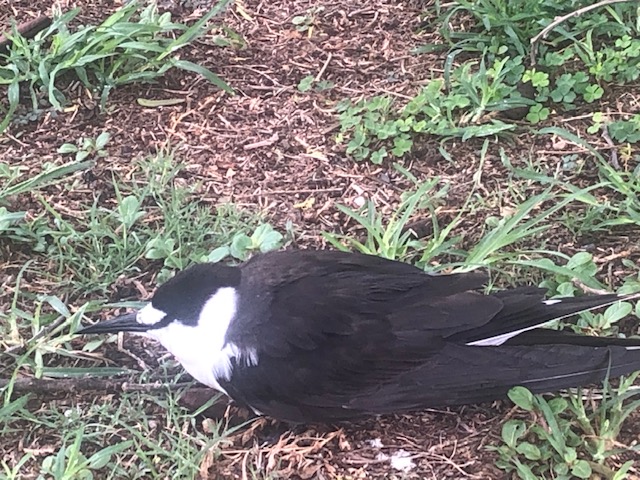
“We received reports of seabirds that had been thrown off course and landed up inland. A partnership of wildlife rehabilitation centres around South Africa, called Coalition Rehad (CORE), is working together to deal with this emergency. This group exists to get the best possible care for wildlife countrywide.”
Joubert added that CORE and WAFR are working closely with BirdLife South Africa to treat and release the birds back around the coastline.
“The only other times we’ve seen this phenomenon was in the KNP during the floods in 2000 and 2014. Except for that, they should not be inland at all. When they fly this far away from home, they become hungry and weak. That is why they’re all grounded.”
According to Andrea Angel of BirdLife South Africa, the displacement of marine birds is not a common phenomenon, though it does happen in certain areas from time to time.
“During strong storms or hurricanes, seabirds can be blown hundreds of kilometres along a storm’s track, either taken further out to sea, or inland where they are more likely to be recorded as unusual sightings.”
ALSO READ: Legal battle to keep Skukuza’s courtroom closed is over
Angel added that birds get blown inland mainly as a result of their size. “Being blown inland is primarily a function of size and an ability to control or navigate the wind. It also depends on their habits, and while coastal birds like seagulls are more adapted to inland habitats and could find food and shelter, seabirds like terns that straddle coastal and offshore habitats, will find it harder to cope. Non-coastal or commonly known pelagic seabirds that spend most of their lives at sea are rarer to see, as the winds required to blow them in are stronger.”
ALSO READ: White River residents lose water, then power
Residents who spotted the grounded birds so far from home called rehabilitation centres across the country in an attempt to save them. Joubert, CORE and BirdLife South Africa urge people who see these grounded birds to not try to release, feed or rehabilitate them, but to rather report them to a rehabilitation centre.
“They do not belong in these parts. They will be emaciated and could die if fed. Please call your closest rehab centre and arrange to get them into skilled care as a matter of urgency.”
Angel added that if a bird is found on the ground and is unable to fly away, collect it and place it in a box with its wings folded and covered, so not to startle it during transport.
“Contacting the below clinics would be advisable as they would be best placed to direct you to other potential drop-off points. If the bird will feed, then fresh fish or sardines would be best, with a shallow bowl of water placed close by. Ensure space is tight enough that the bird is not able to flap and potentially hurt its wings during transport.”
ALSO READ: Valencia local loses battle against Covid-19
If seabirds are found in the Mbombela area, please contact Joubert on 079-988-5748. Alternatively, contact Wolkberg Veterinary Clinic in Polokwane (015-291-1381) or the Johannesburg Wildlife Vet (071-248-1514), that will arrange the collection and transport of the bird.