Managing Kruger’s alien plant invasion
Alien plant species have invaded the Kruger National Park for many years, but with a technological assistant, keeping track of them has been made easier since 2000.
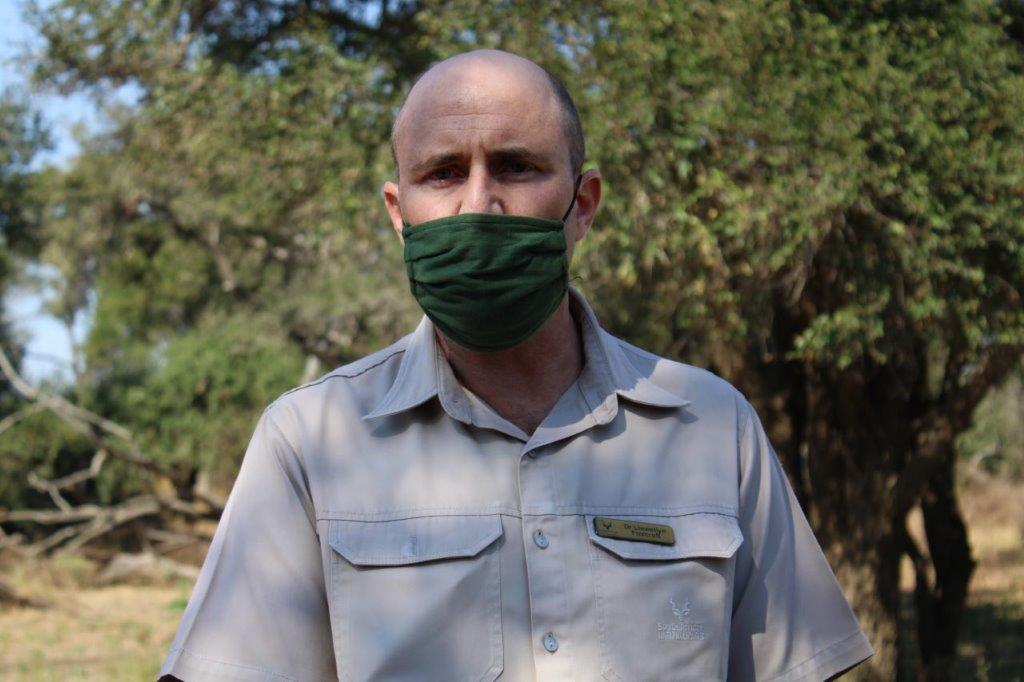
Dr Llewellyn Foxcroft, a scientist in invasive ecology, explained the difference between a plant being both invasive and alien, and a plant being merely alien.
There are about 250 alien plants in the Kruger, but only a handful of them require maintenance from people like Foxcroft, who works within the park’s scientific services department.
A mixture of three methods is employed to subdue these invasive species and keep them manageable. They are either treated with chemicals, introduced to a biological control agent, or removed manually.
ALSO SEE: IN PHOTOS: GPS collars are a saving grace for Kruger’s wild dogs
Examples of such invasive species are the sour prickly pear, lantanas, water hyacinth, chromolaena and one that is particularly worrisome, parthenium.
A biological control agent is an insect or other natural enemy of a plant. Biocontrol researchers go into a plant’s country of origin to find its natural enemy.
Then, only after extensive research, this enemy is introduced into the country where the species has become a problem. Foxcroft said over 100 biocontrol agents have been released in South Africa over the years.
ALSO SEE: Fighting fire with fire – Kruger nearing 70 years of testing fire regimes
Something like this will not necessarily eradicate a species entirely, but will keep it contained. Part of Foxcroft and his team’s aim is to keep the balance of the plants in the park.
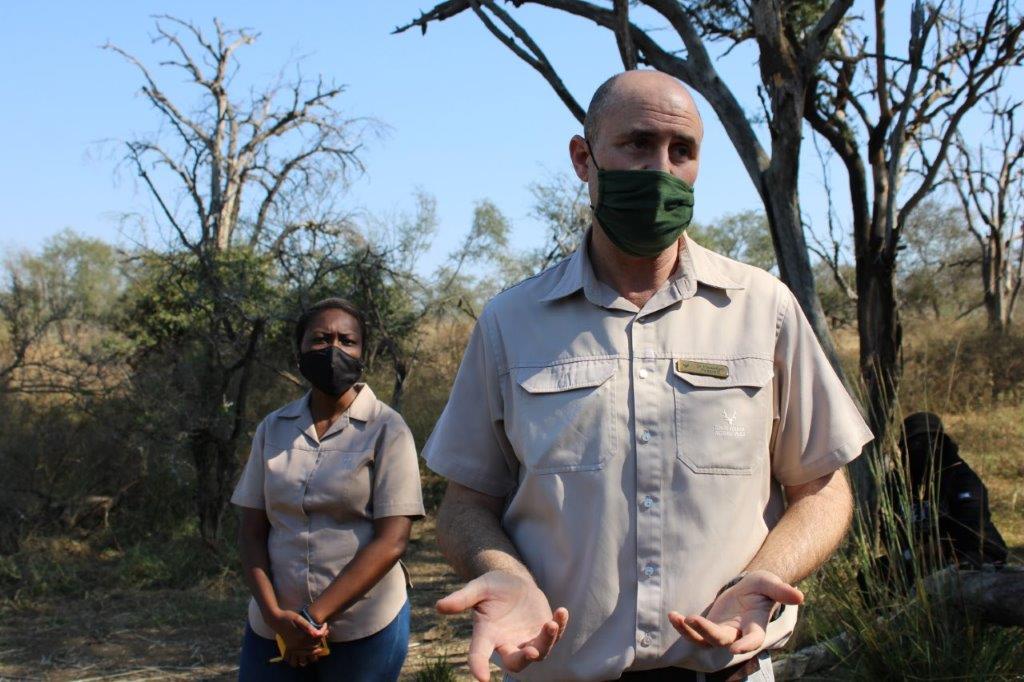
“Some species will always be here, but if we keep the density down as far as possible, we hope that it has no impact on the area and other species.”
“When it comes to the effect the plants have below soil, some alien species release chemicals that inhibit germination of other plants,” said Foxcroft.
ALSO SEE: WATCH: Elephant shows bakkie who’s boss in the bush
“They can also change the chemical structure of the system below the soil.”
One of the main problems with this handful of alien species is that they adapt very easily and are widespread. Despite this fact, Foxcroft said less than 10 per cent of the Kruger is covered by alien species.
“We have a big management team on it that is monitoring these plants.” The park has containment zones and rapid response teams for them.
“If growth patches arise, we spray them and check on them frequently so isolated patches do not spread further.”
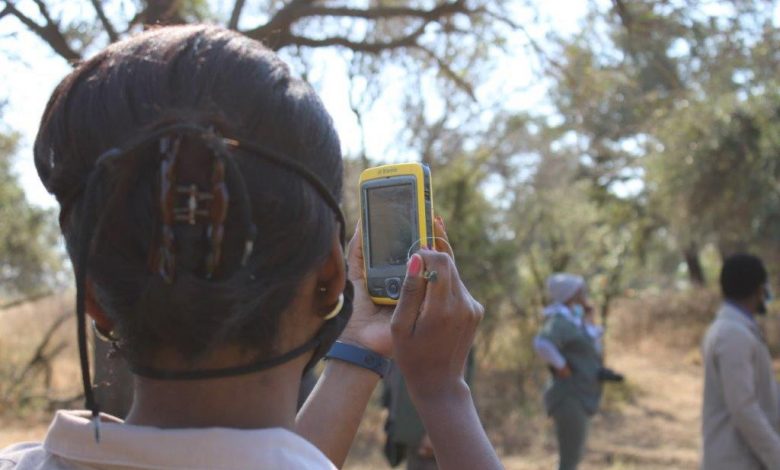
When invasive species are encountered, they are mapped and recorded with the help of a GPS device. Were they not to monitor and contain these problem species, Foxcroft said it would be only a matter of years before drastic effects could be seen in the Kruger landscape.

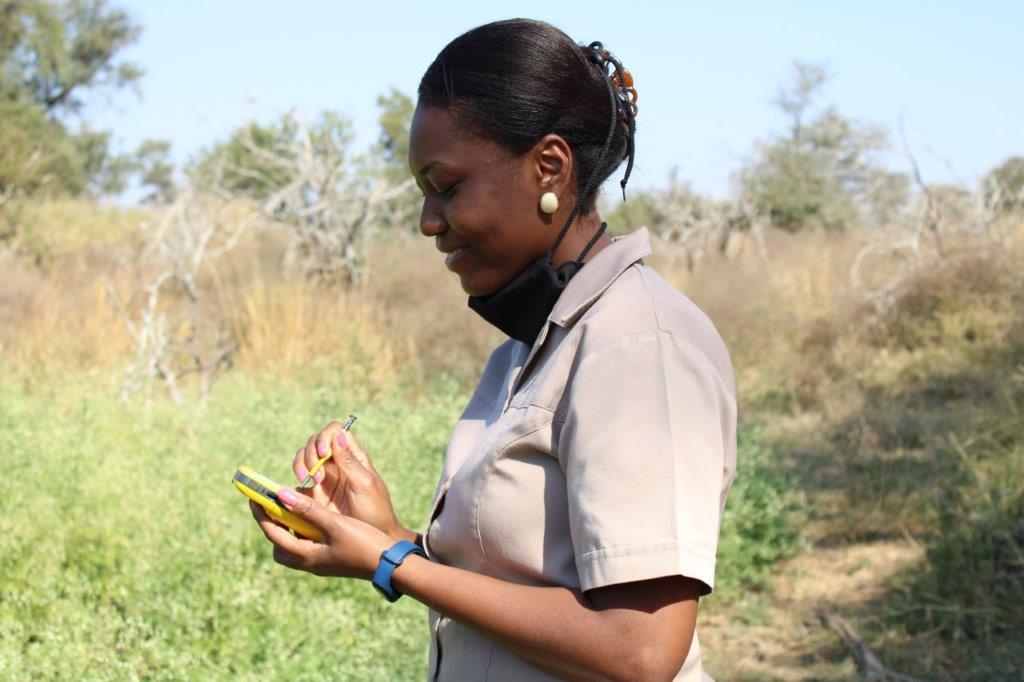
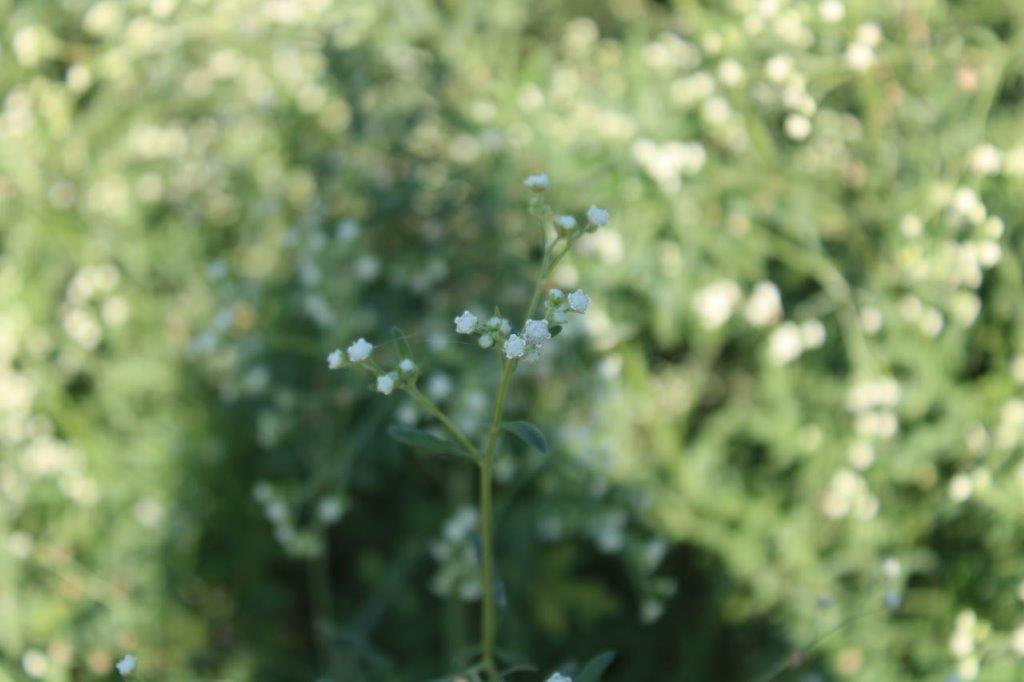
One species the team is specifically worried about is parthenium, which has its origin in North America.
ALSO READ: More dark deals on high-mast lights?
“It is a very difficult plant. We would spray an area with herbicide just for a rain shower to come, and then it is back again. It has an enormous amount of seeds (tens of thousands per plant), and it can last up to seven years in soil. So you get rid of the plant, but the seeds remain.”
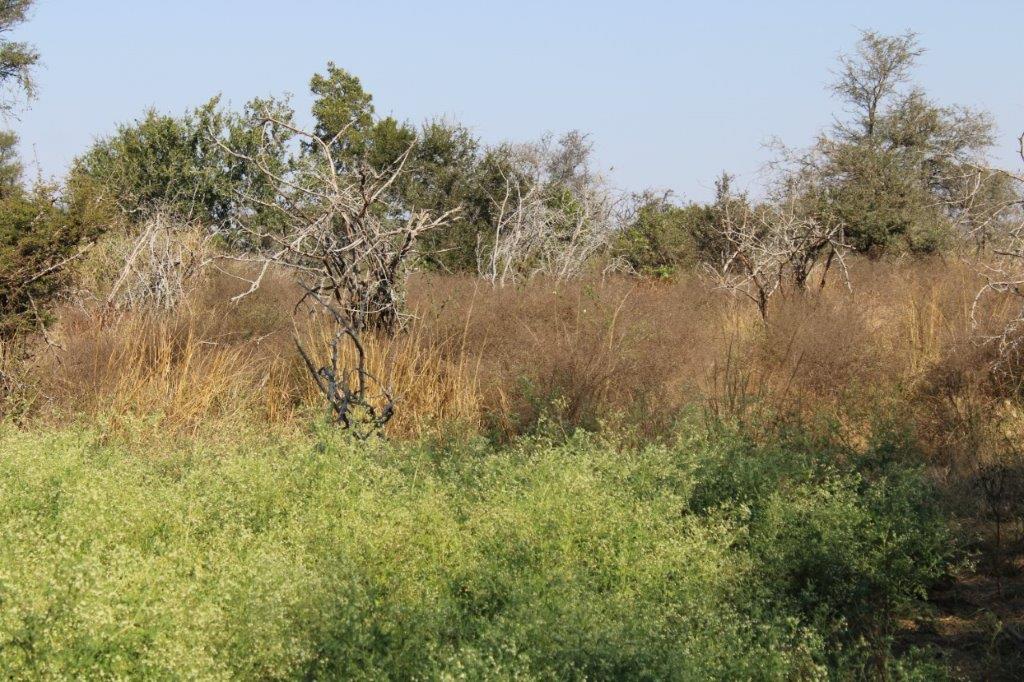
Some suggested that animals might use these plants, but Foxcroft accredited this to dry seasons when there was not anything else to eat.