
Load-shedding woes: traffic jams, low signal
Many things go wrong during load-shedding; Lowvelder enquired about traffic officers from the municipality and asked Vodacom what causes signal loss when there is no power.
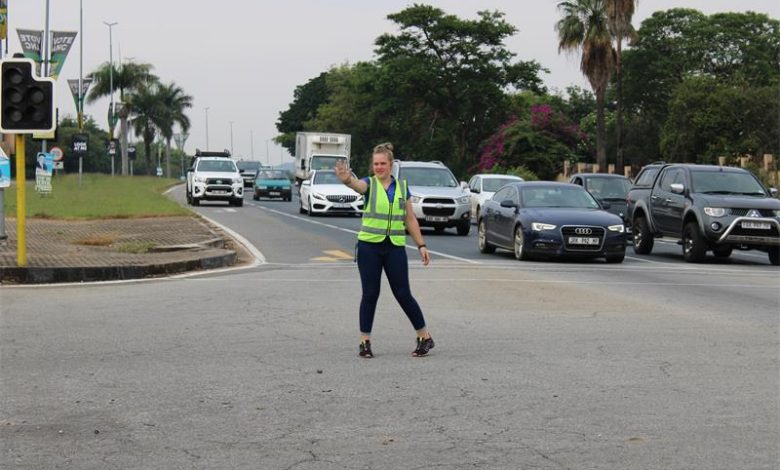
Blistering heat, traffic jams, lack of cellphone signal, no water.
These were just some of the woes Lowvelders had to deal with as a result of seemingly endless power outages over the weekend.
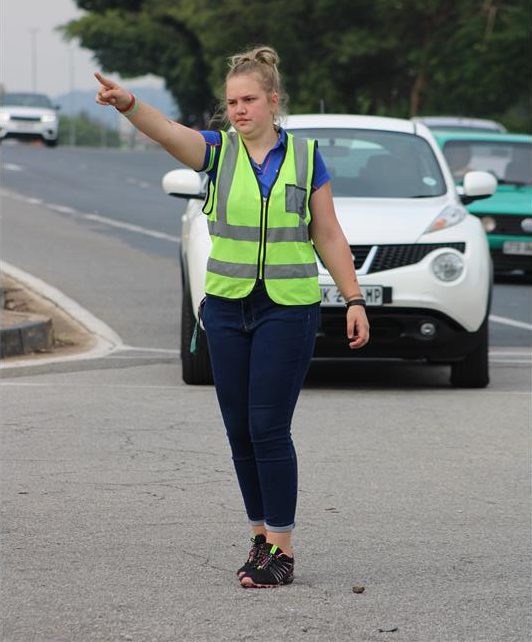
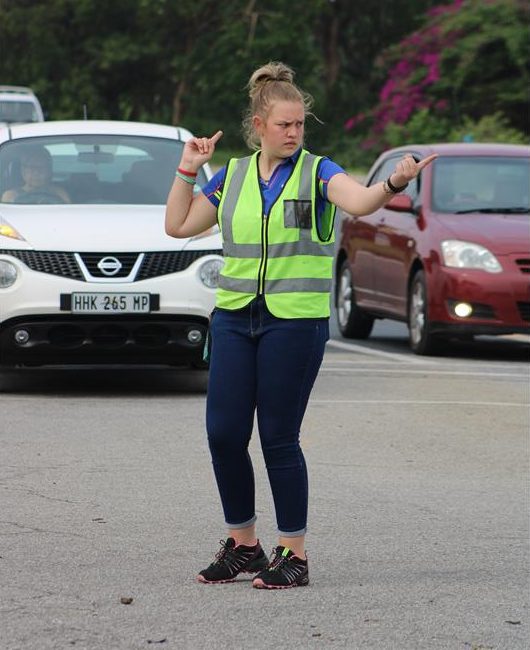
With the absence of pointsmen, many citizens wondered what had happened to the traffic officers. Some even took it upon themselves to put on reflective jackets and directing traffic.
Joseph Ngala, spokesperson for the City of Mbombela, explained, “The erratic nature in which the load-shedding is being implemented, makes it very difficult to plan properly.
“For example, when stage 2 is implemented, one has an idea which the busy intersections are, but in the midst of that, Eskom comes with a different stage, which unfortunately throws your existing plans out.
ALSO READ: Lowveld dams record mixed results
“Sometimes load-shedding is implemented immediately without warning.
“The City does deploy officers to areas affected by load-shedding as and when it happens, but given the circumstances as mentioned above, it’s always on a reactionary mode, unfortunately.”
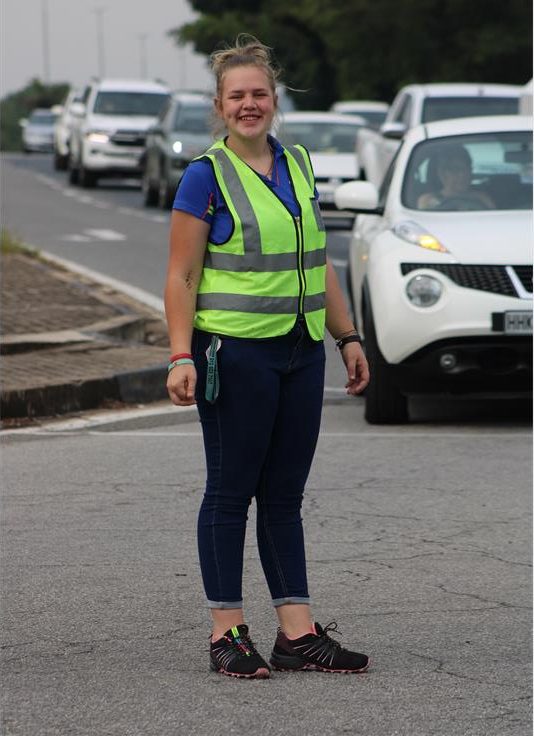
Two community members were lauded by the public this week for stepping in to regulate traffic in load-shedding. One of them was Suné Koekemoer, a 20-year old resident and a member of Nelspruit Concerned Citizens.
“I heard on the Zello channels that the robots were off, so I went and helped,” said Koekemoer. This is the first time she has ever done something like this. “It was very scary, but I enjoy it a lot.”
Something that stood out for her about the whole experience was the friendly people greeting her, and even one woman who yelled out, “You go, girl!” as she passed by.
As some residents have experienced themselves, the issues do not stop with traffic. In certain areas, the loss of cellphone signal goes hand in hand with there being no power. Vodacom’s Monde Ngcukana, the executive head of Mpumalanga technology, explained the reason behind this.
“All the equipment on the network is electrically powered, with various backup systems in use should electricity to the infrastructure be interrupted.”
He said the most common electrical backup systems that the Vodacom network uses are:
• On-site battery backup with up to eight hours of backup time
• Fixed diesel generators and fuel cells at high-priority sites that kick in automatically when electrical power is lost
• Mobile generators that are deployed to areas with long outages and recovered when power returns.
ALSO READ: Water supply in Nsikazi hampered by load-shedding and load reduction
When outages are as frequent as currently experienced during stage 4, various issues may occur.
• The batteries do not have enough time to fully charge, impacting their backup time.
• When the network infrastructure switches off, loss of coverage may also result in slow internet speeds and difficulty to make calls due to uneven distribution of network traffic.
• The fleet of mobile generators is insufficient to deal with all the sites that have lost power, especially where batteries have been stolen.
On top of these issues, Ngcukana said theft and vandalism continue to plague Vodacom’s network infrastructure, with over 20 incidents a week just in Mpumalanga.
So far this year, the Mpumalanga Vodacom network team has invested over R60m to improve network resilience, securing vulnerable sites and working with SAPS to successfully arrest and prosecute criminals.
Do you have more information about the story?
Please send us an email to editorial@lowvelder.co.za.
For free breaking and community news, visit Lowvelder’s website: Lowvelder
For more news and interesting articles, like Lowvelder on Facebook, follow us on Twitter or Instagram