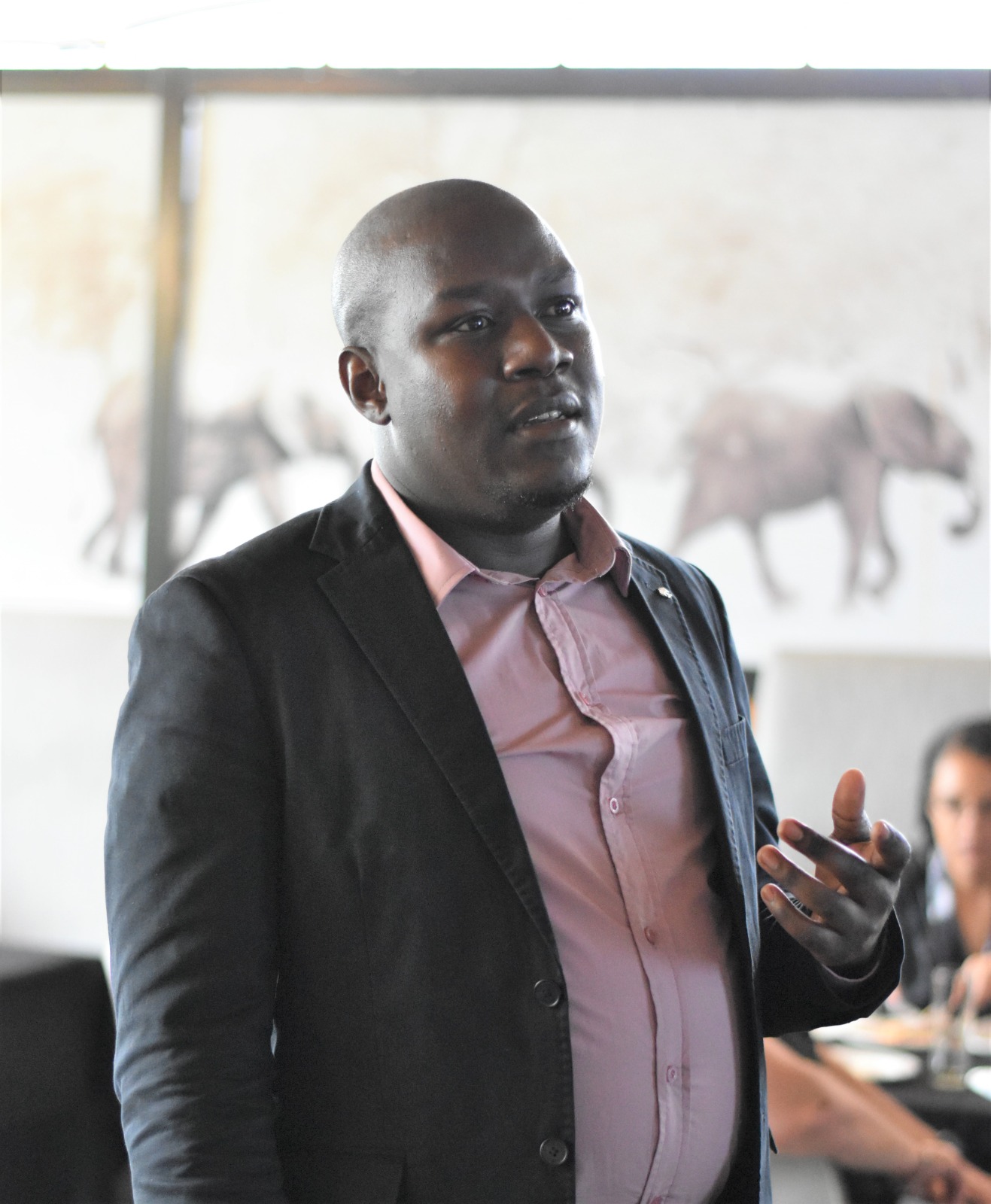
Workshop discusses SA’s need for agripreneurs
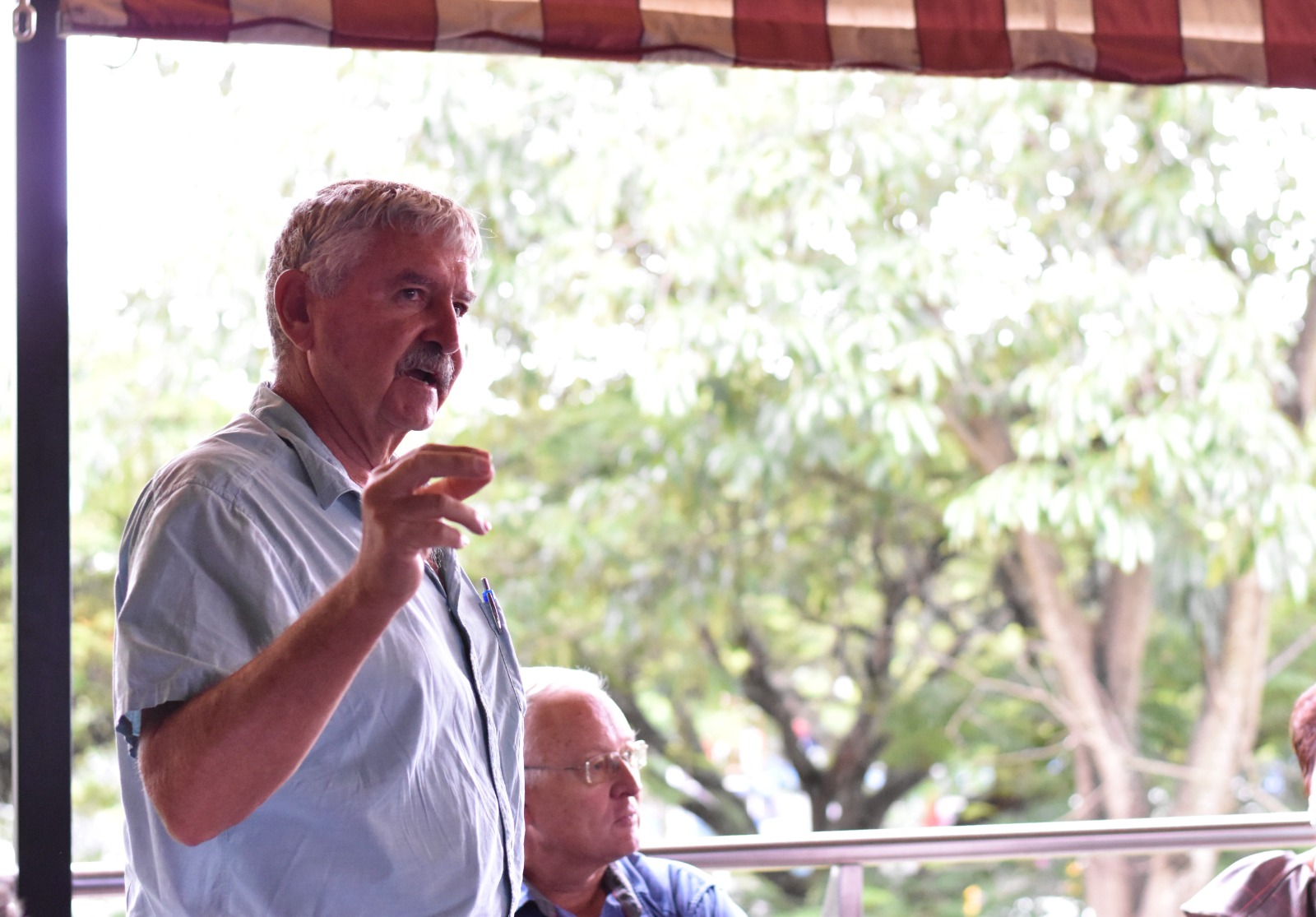
Dr Gerhard Viljoen from the University of Mpumalanga held an informative presentation on agripreneurship. The event was hosted by Kishugu Business School, in partnership with NCA Skills Institute.
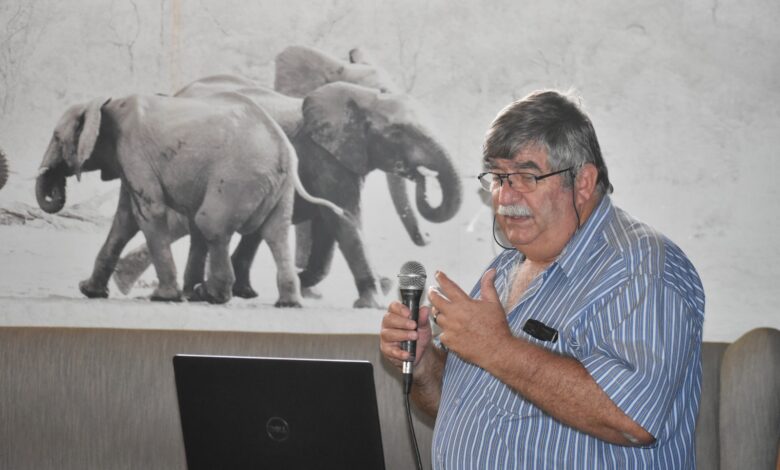
A presentation on agripreneurship and how it could benefit several areas not only here, but in South Africa as a whole, was hosted by Kishugu Business School, in partnership with NCA Skills Institute, at a breakfast meeting at Jock Pub and Grill last Friday morning, February 17.
Agripreneurship is the term for entrepreneurship in agriculture, and was the topic of the presentation given by Dr Gerhard Viljoen, University of Mpumalanga’s deputy director of continuing education. The presentation looked at agripreneurship from a “transformative and transgressive social learning perspective”, and why the country would need agripreneurs.
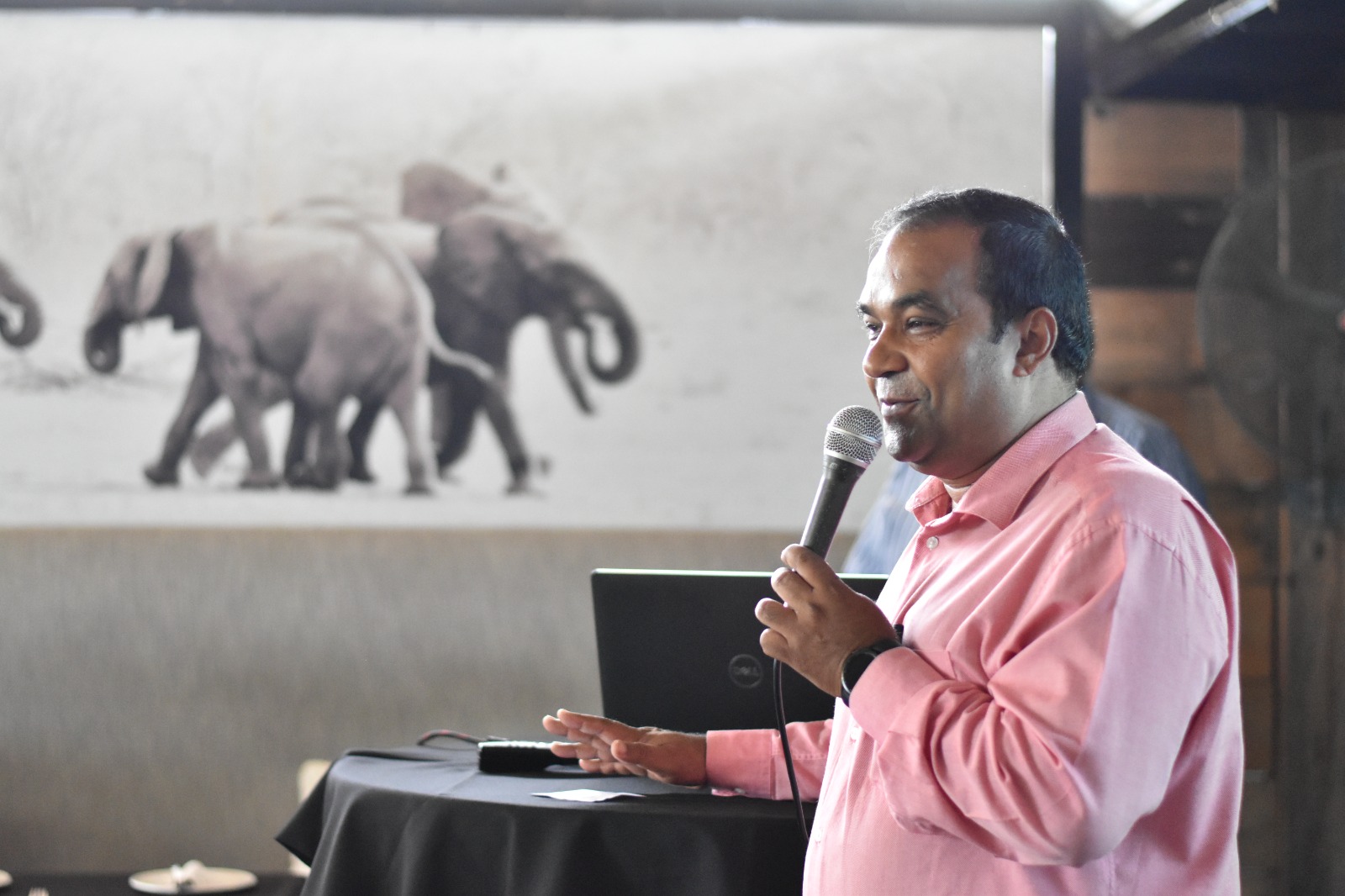
According to Viljoen, an average South African household of four, earning income from two full-time minimum wage equivalent jobs, would still need to spend 30% or more of their monthly income on food to afford a reasonably balanced diet. This 30% comes over and above two child support grants and the children benefiting from school feeding programmes.
The presentation cited that the value of a basic food basket is just over R3 000 a month. This data comes from the Bureau for Food and Agricultural Policy’s Thrifty Healthy Food Basket of December 2022.
ALSO READ: Kruger National Park reopens some camps that were temporarily closed
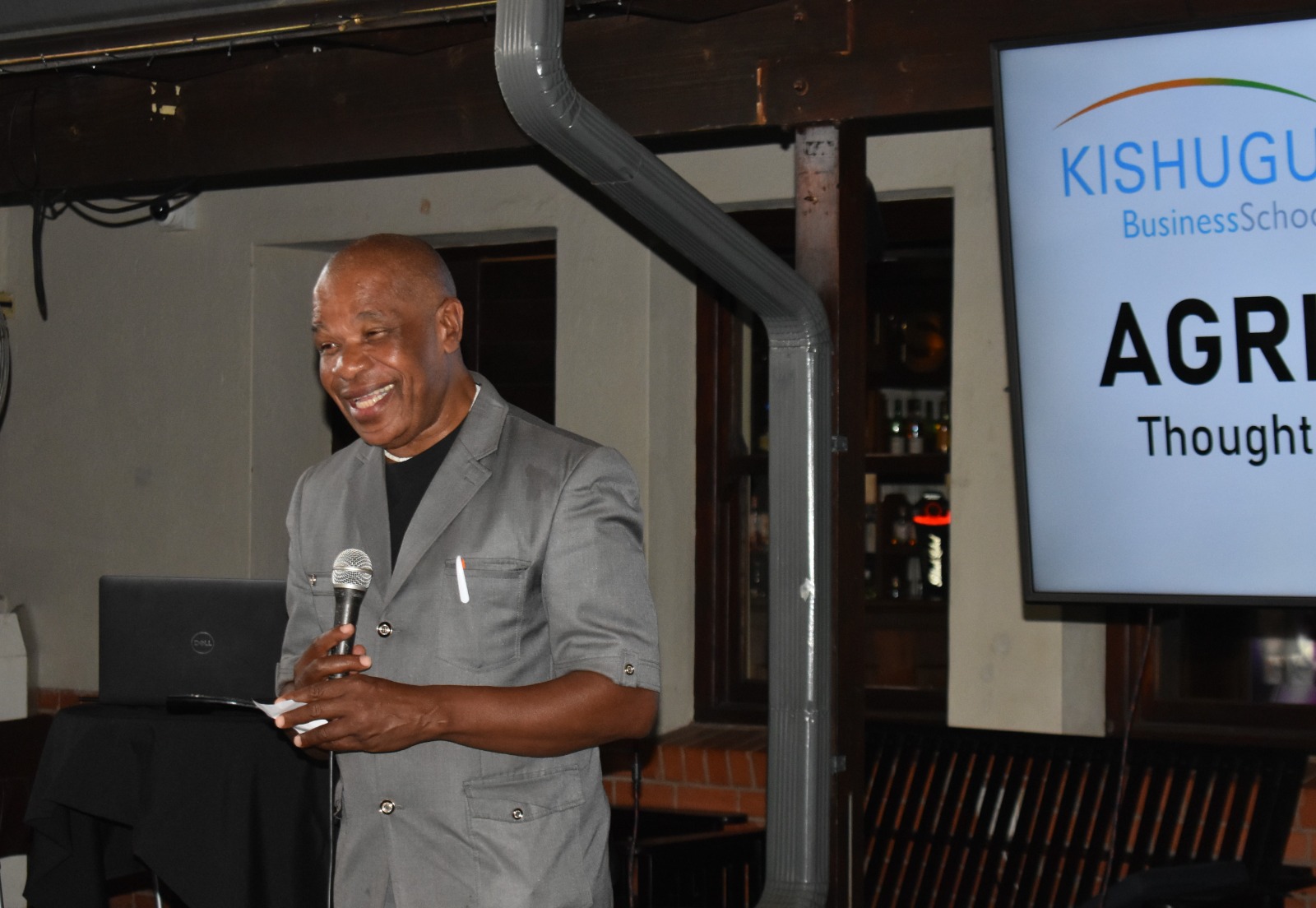
However, according to the Pietermaritzburg Economic Justice and Dignity Group, key data from the December 2022 Household Affordability Index indicates that the food basket is closer to R5 000 a month.
The presentation also said that according to an article by the World Wildlife Fund, “Climate-smart smallholder farming”, there are about two million smallholder or household farmers in South Africa. The extent of their farming is to feed their families only. Viljoen quoted various other sources and studies on why agripreneurship could be important to the future of South Africa, especially with the country’s unemployment rates and extreme poverty in many areas of the country.

Overall, the presentation stated that agripreneurship could lead in aiding to reduce poverty by generating a sustainable income in rural households, while also contributing to national food security as well as both social and economic development.