Fort Mary monument in Lydenburg vandalised
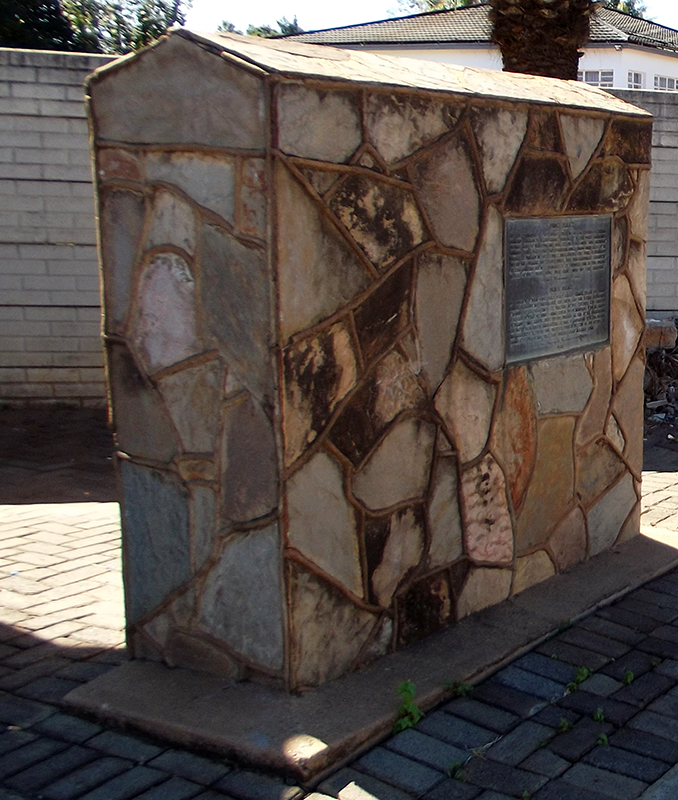
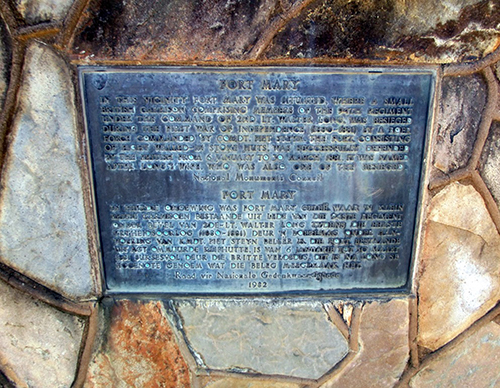
A monument to mark Fort Mary, a stronghold of the British troops in the 1800s, was recently vandalised.
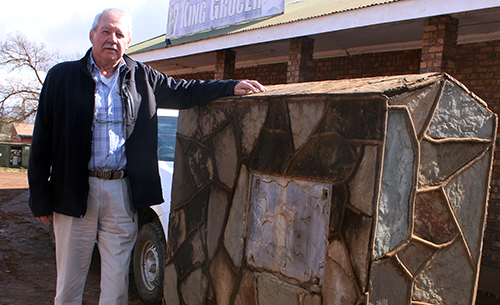
During a visit to the monument on July 22, a local historian and writer, Christo Swart, said the fort was situated between the current De Beer and Eeufees streets.
“I was shocked to see that the plaque was no longer on the monument. A worker informed me that someone had removed it to mix concrete on. I don’t know if this is true. Fort Mary’s history hasn’t been lost, and the older residents of Lydenburg are well aware of its importance during the First Anglo-Boer War. I hope the awareness of this vandalism will help to restore the plaque and bring the history of Fort Mary to the forefront again,” said Swart.
The history of Fort Mary is intertwined with the historical powder magazine in Viljoen Street.
Stones used in the construction of the powder magazine bear the names of some of the soldiers of the 94th Regiment, stationed at Fort Mary, engraved on them and these can still be seen today.
JP Celliers, the curator of the Lydenburg Museum, provided more information about the fort and the powder magazine:
In December of 1883, the government signed a contract for the construction of a new powder magazine, and the building was completed by Mr Henry E Rink in 1890.
The inscribed stones, built into the walls of the Powder Magazine during its construction in 1890, originate from the British fortification known as Fort Mary, named after the commanding officer, Second Lieutenant Walther Long’s wife, Mary.
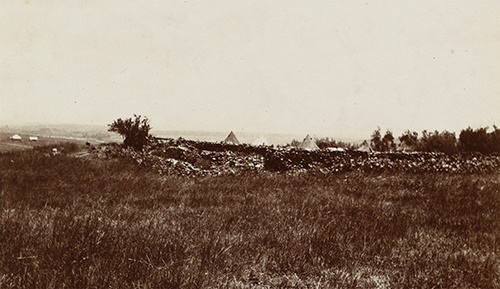
This fort was occupied and successfully defended against Boer forces during the siege of Lydenburg that took place between December 23, 1880 and March 30, 1881. Lydenburg and the immediate surrounding area is a historic treasure trove that abounds with Late Iron Age stone walled sites, associated rock art sites (Boomplaats) and some Anglo-Boer War (1899-1902) sites. During the Siege of Lydenburg, British troops of the 94th Regiment prepared Fort Mary for a heavy onslaught.
Supplies were stored in an underground magazine and consisted of 200 000 rounds of ammunition, three months’ supply of preserved meat, eight months’ supply of flour for baking bread, and some fresh produce.
The Boers took up a position two miles off the road to Middelburg on January 3, 1881, and commenced their attack on the fort on January 6.
A total of 250 men entered the town and called on Lieutenant Long to surrender, which he refused to do.
Also read: ‘Facebook’ serial rapist sentenced to life plus an additional 75 years by Graskop High Court
The Boers approached the fort and opened fire. This continued for approximately three hours without any harm to the garrison.
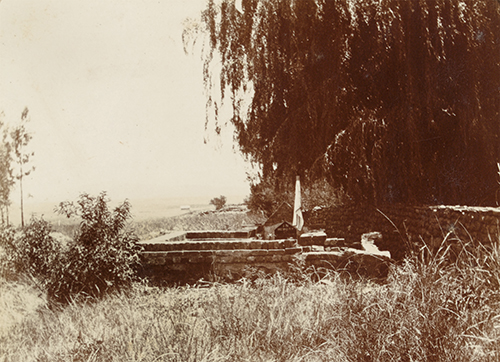
On January 8, the Boers fired a cannon, but the shells passed over the fort. On March 4, the fort’s thatched roof was set alight by the Boer forces, but this did not succeed in driving out the garrison. On March 10, two men approached the fort bearing a white flag and a letter from Mr Alfred Aylward, the former editor of the Natal Witness, offering favourable terms of surrender, but Long replied that he refused until he received orders to the contrary.
Lieutenant Baker of the 60th Regiment arrived on March 30 with dispatches confirming terms of peace. Thus, an end was put to the 84-day siege.
Before the siege of Lydenburg, a powder magazine had already existed in the town. It was built as a result of a request to the Volksraad by Commandant General MW Pretorius for the erection of such a facility at Magaliesburg and other districts in the Transvaal.
This resulted in a powder magazine being built at Lydenburg in 1867.
Its location was described as being next to a water furrow in town and close to the jail. In a letter to the state secretary from Commandant General LF de Souza, he reported on his findings during an official visit to the powder magazine in 1888.
He expressed concern that a large amount of gunpowder was soaked and that the building may be flooded during heavy rains, because of its location close to the water furrow. It became necessary to build a new powder magazine, and in July 1889, plans were drafted and tenders issued in the Staatskoerant of 17 July 17, 1889. The tender was awarded to Mr Rink for £400. The new powder magazine, located on Erf 156, was completed in April 1890.
The years following the Anglo-Transvaal War were relatively peaceful until the outbreak of the Anglo-Boer War in October 1899. On September 6, 1900, the town of Lydenburg surrendered to British forces under the command of General Sir Redvers Buller.
Two days later, the battle of Paardeplaats took place between Boer and Brit in an effort to gain control of Mauchsberg, a strategic mountain overlooking the town.
The town was occupied by British forces throughout the remainder of the war.