How to choose the best taxidermy
Finding the ideal taxidermy can be a tricky undertaking for many. What should be considered when deciding?
Hunters devote countless hours each year to pursuing the ultimate goal: taking an animal worthy of inclusion in the record books. They spend a fortune on new packs, optics, boots, rifles, and other types of gear in their pursuit of the ultimate trophy.
Therefore, you need to put as much thought and effort into nominating the best taxidermist as you did into arranging the ultimate hunt, itself. Choosing a taxidermist is a serious endeavour that deserves your undivided attention.
Here are the most important considerations when finding the ideal taxidermy.
1. Research their portfolio of previous work
Perusing a taxidermist’s taxidermy portfolios is the best approach to determine whether or not they are up to the task.
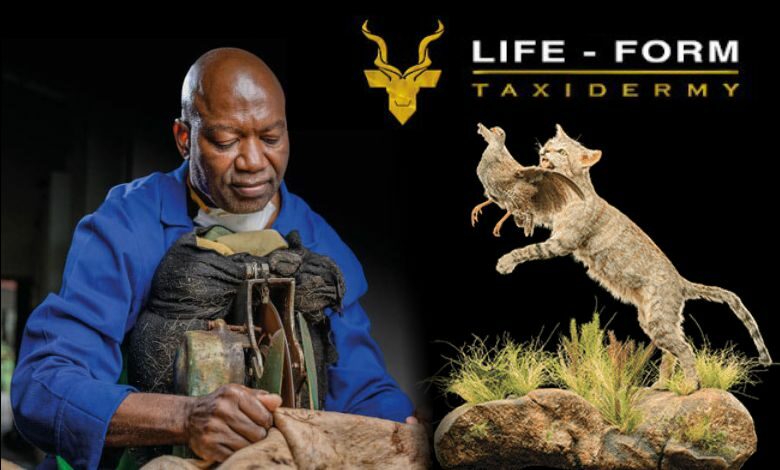
This should clearly be featured on the webpage of any competent taxidermist. For example, Life-Form Taxidermy features their previous and current pieces on their official website.
Their collection of work portrays a diverse range of wildlife including fauna, presented in various positions and forms. This proves that they can taxidermy any game trophy you may bring to them. Rest assured, your unique mounting instructions along with their flair, will not disappoint.
Photographs may be good enough as an example on what to anticipate, but if you’re serious about having your trophy professionally taxidermied, it’s well worth the effort, to see other trophies in production, at the studio, up close and personal – prior or post to your Safari.
2. Study the details of their work
Pay special care to the facial features, including the eyes, nose, ears, fur, and mounting. Don’t be afraid to get up close and personal with anything you may feel requires your attention.
The animal’s eyes, for instance, should be the right shape. You want them to appear calm and natural.
The nose should appear somewhat damp, but not shiny. The ears are notoriously difficult to perfect in taxidermy. The job was not done properly if there are wrinkles or other imperfections in the area around the ears.
To cap it all off, the fur pattern should resemble as close as possible to the game animal as seen in the wild, not an easy task, but with precision and skill, it’s definitely possible.
A great taxidermist’s attention to detail is what ultimately sets them apart and makes all the difference in the finished product. When a taxidermist succeeds in the art of misleading an observer into thinking an animal or plant specimen is real, they claim victory.
3. Confirm the details with your chosen taxidermist
Once you have settled on a particular taxidermist, you can ask a few more qualifying questions to determine if they deserve your business. Do not be surprised if the timeline they provide is many months long or perhaps longer than a year.
This is on par for the course in the taxidermy industry, where a high-quality result typically requires months of preparation and weeks of work. You will not regret the time spent waiting for a trophy of exceptional quality. Taxidermy is a costly and time-consuming hobby for its practitioners.
The eyes alone account for a significant portion of the high cost of the materials needed to make the animal look natural. The reason you were so amazed by the work when you visited their studio is that they only utilise the highest quality materials, chemicals, and follow well formulated/established procedures.
The guidelines listed above are a good start when finding the ideal taxidermy.
Also read: Here’s how taxidermist prepare and preserve animal skins