Scientists and researchers brainstorm in the KNP
Around 200 delegates from around the world gathered in Skukuza this week to discuss ecological and social issues as part of the 15th Annual Savanna Science Networking Meeting.
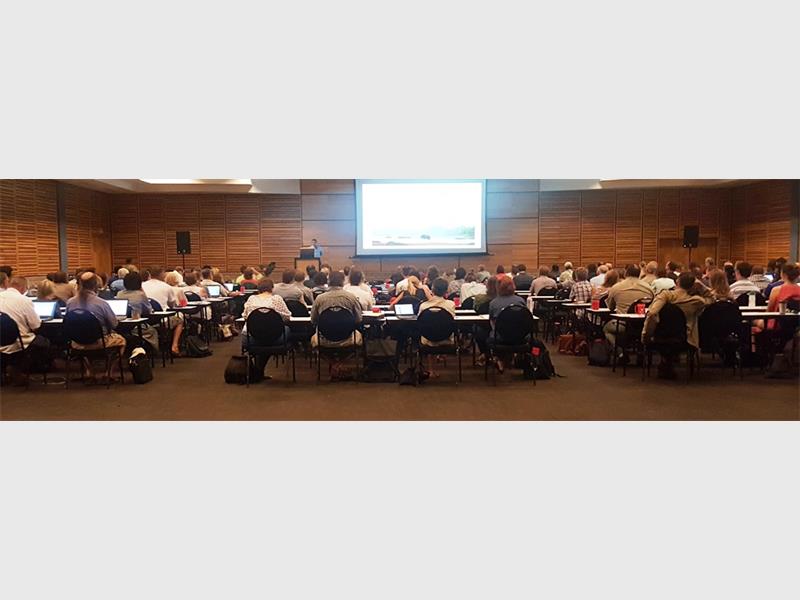
SKUKUZA – Delegates from 79 different scientific and conservation organisation from 14 countries arrived in the Kruger National Park (KNP) on Sunday for the 15th Annual Savanna Science Networking Meeting.
It was held at the Nombolo Mdluli Conference Centre in Skukuza and comes to a close today.
SANParks acting head of communications, Mr William Mabasa, explained that the meeting grew “from one encouraging scientific dialogue around biological research in the Kruger, to one now encouraging a broader social-ecological savanna focus from across different continents.”
The meeting boasted an impressive line-up of 110 presentations and 28 poster presentations
It provided an opportunity for gurus to share their latest research findings conducted in national parks and other conservation areas within the savanna biome. This included numerous research projects from conservation areas mostly within South Africa, with the KNP best represented, and also drew in relevant research and understanding from other savanna protected areas across the globe, including Australia, South America, the USA and Asia.
READ: New lodge in Skukuza brings job opportunities
Topical issues in ecological and social sciences were discussed, such as:
• Issues related to conservation management like restoration, monitoring animals and plants, river management, problem-animal management and animal reintroduction
• Ecological issues like fire, nutrients, hydrology, climate, herbivory and disease
• Social issues like poaching, tourism, ecosystem services, wildlife/livestock interface and a session just dealing with the drought.
SANParks scientists engage and collaborate with a wide range of national and international scientists, research partners and funders in order to provide a sound scientific platform where they can address the knowledge needs to manage biodiversity and protected areas in a changing world.
READ: Poaching suspects nabbed on Friday the 13
A mix of basic and applied research, spanning the biophysical and social-domains strengthens research and monitoring efforts as well as capacity building.
“The close interactions between academics and park authorities facilitated by this meeting are key to promoting pro-active evidence-based decision-making, and directing research into priority conservation management needs. As SANParks, we have been hosting this meeting for 15 years now which is an honour for us because many researchers rate this meeting as the leading savanna meeting in the world”, concluded Mabasa.