“The state has been captured: Let’s grow a collective backbone” – Phosa
Waking up on Friday morning a week ago, we learn that our globally trusted Minister of Finance and his Deputy had been removed under a cloak of darkness at the stroke of midnight.
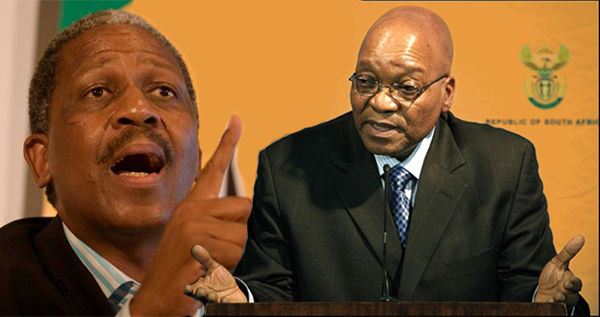
Having been handed the poisoned chalice following the disastrous appointment of Des van Rooyen, in early December 2015, Pravin Gordhan worked tirelessly to prevent the credit rating of South Africa, our beloved country, to be downgraded to a negative outlook, or junk status.
Since 2000, South Africa enjoyed the benefits of a good credit standing. Obtaining an investment rating, coming from the depths of apartheid, took hard work and dedication from the entire Finance Team, initially led by Chris Liebenberg in the early days of our democracy. In the thirteen years that followed, Trevor Manual not only became a household name, but became the flagbearer for our stable economy on the global stage.
When Pravin Gordhan took over from him, the long honeymoon that we enjoyed since our democracy was established on the 28th of April 1994, was over. The global economy was in trouble and South Africa dodged the proverbial bullet because of the conservative policies implemented under Trevor Manual and his capable team.
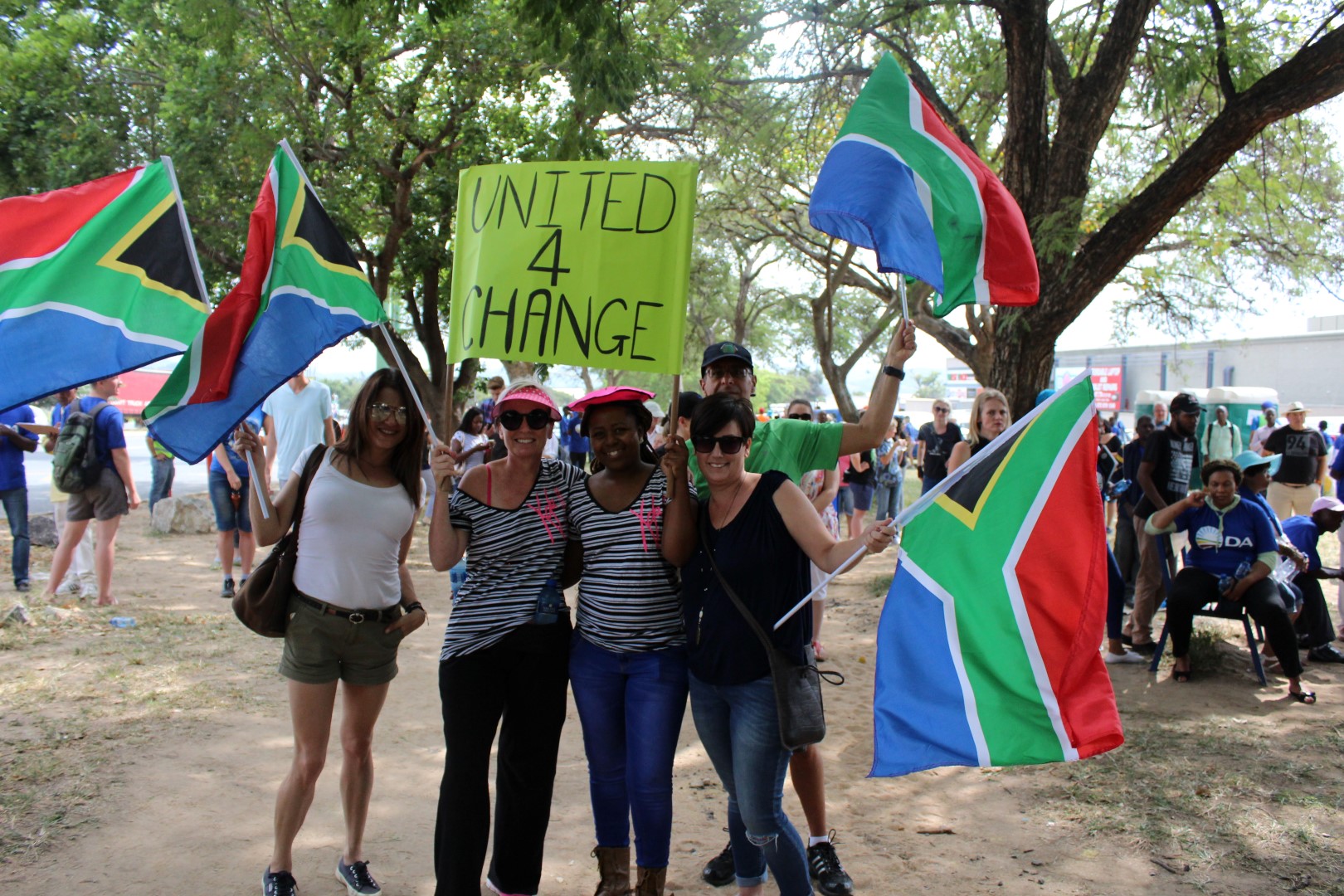
Pravin and his team worked tirelessly with a clear objective to ensure that our country maintains its rightful place as the biggest economy on the African continent. The team, under his leadership ensured stability in our local economy when every major world power was struggling to stabilise theirs. Under his leadership, our economy stabilized and showed positive signs while others faltered or recovered slowly.
When Nhlanhla Nene took the baton from Pravin, our credit rating was intact, albeit under pressure already, whilst our economic and political reputation around the world allowed us to borrow successfully in the capital markets at rates that allowed our economic growth and low inflation to continue.
It all changed when Nhlanhla Nene was unceremoniously removed on the 9th of December 2015 and replaced by a captured leader that would have taken us to the depths of despair if the country, and certain brave leaders, did not show their disgust at the decision. Under pressure from all quarters, Pravin Gordhan agreed to steady the ship, bringing stability back to our then beleaguered currency.
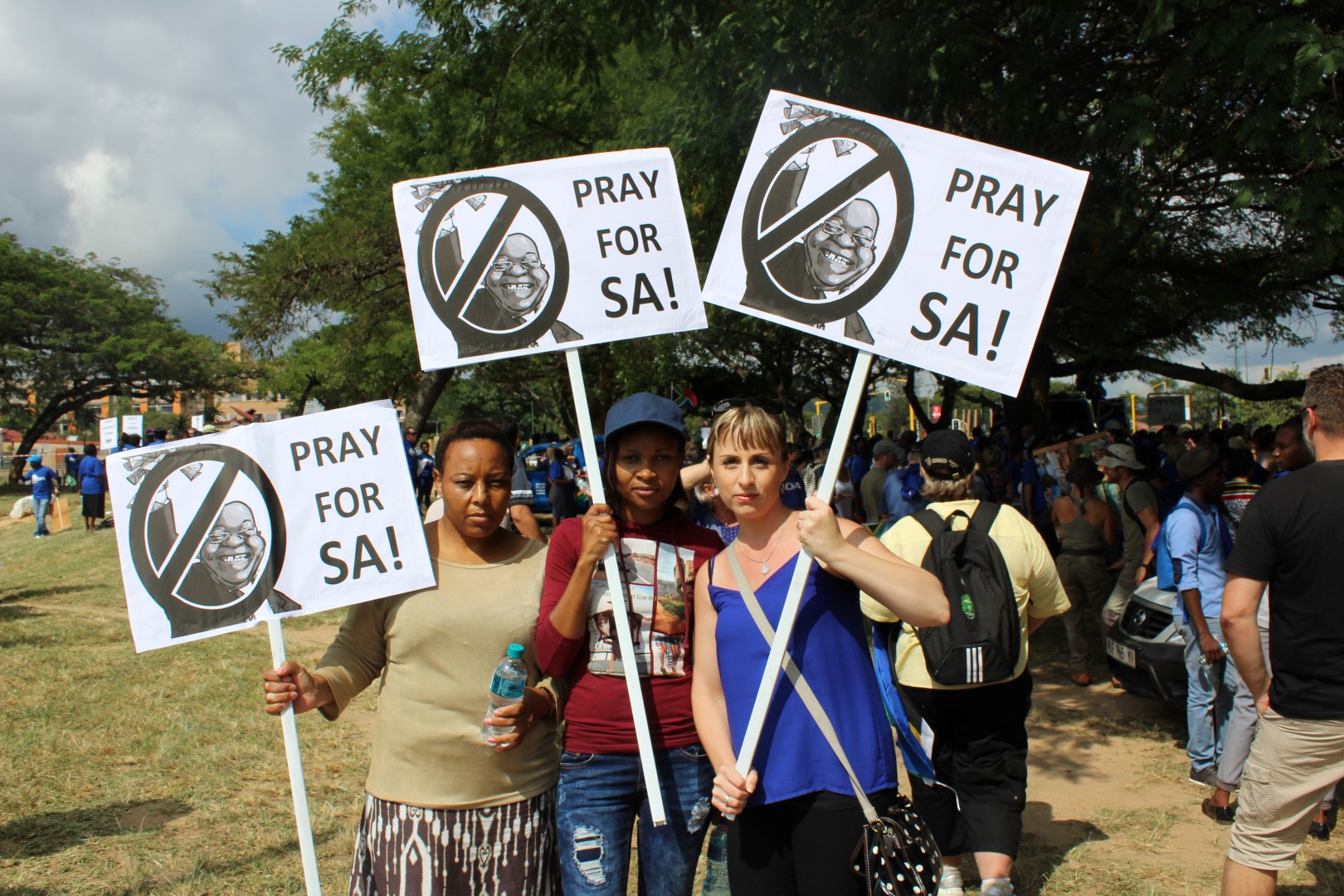
On Monday afternoon, South Africans were shocked hearing that our international investment credit rating has been downgraded to junk by one of the globe’s top three rating agencies .It’s not that we did not expect it to happen, it’s just that we did not need the humiliation of scoring another own goal. With our political situation, low growth and unabated looting of the public coffers, the situation turned dire.
The downgrade has been on everybody’s lips since then, both locally and globally.
The country is in revolt; and calls for Jacob Zuma to resign has reached a crescendo. From the ordinary citizen, through our political and civil fraternities, to the elders in the ANC, everybody wants change. Everybody believes that Zuma is out to line his own and the pockets of those around him, bow to external forces, and sell South Africa to the highest bidder.
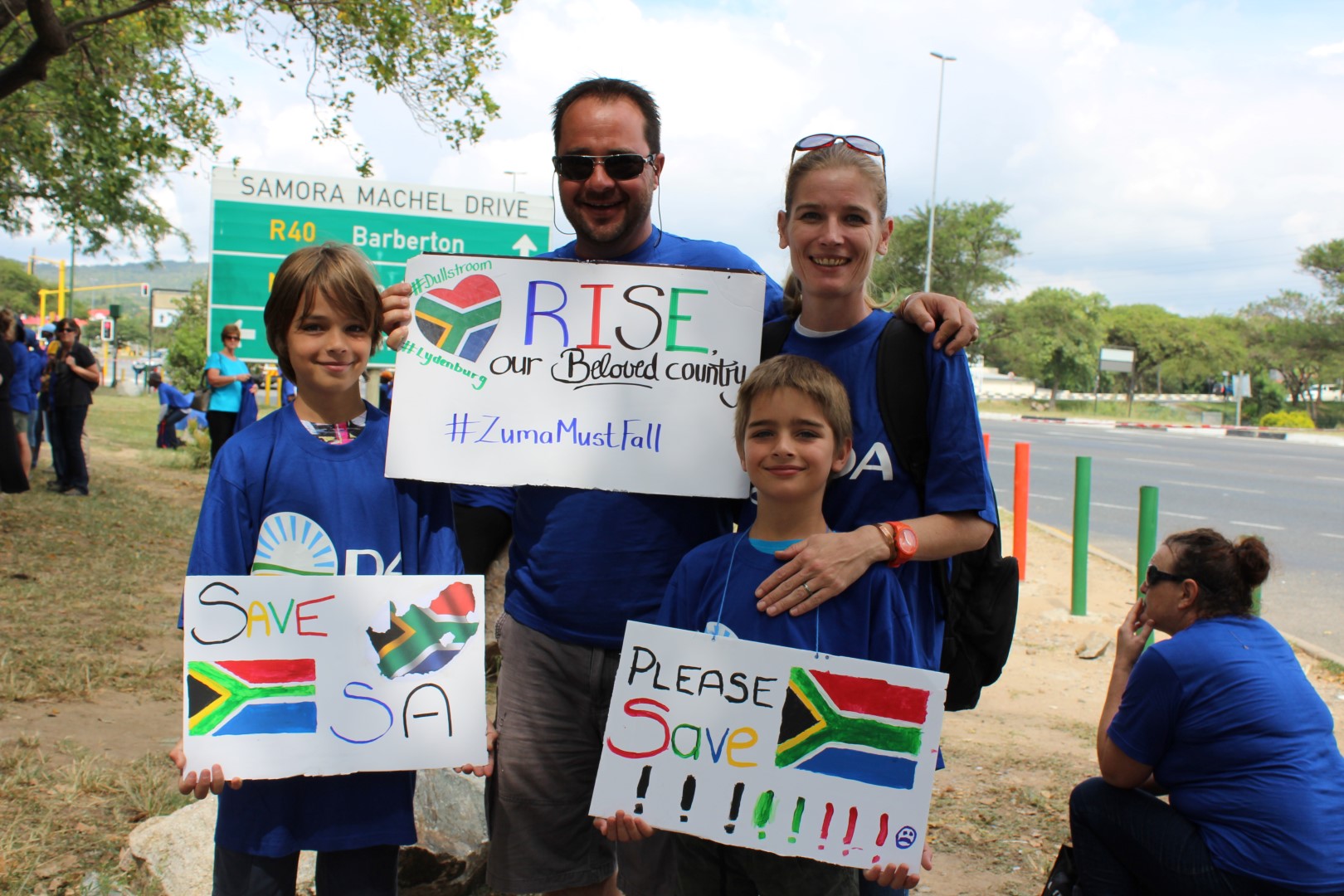
Crucially he has lost the confidence of those who voted him into power, and critically he has turned his back on those from whom he should seek a mandate for his decisions. His constituency has now changed from the electorate to other, sinister forces with no electoral mandate nor any interest in a better life for all.
A downgrade in our country’s credit rating is no different from anyone struggling to obtain credit as our personal credit histories are recorded with credit bureaus, informing lenders of our status.
Now if we conduct ourselves well, dealing prudently with our finances, we will qualify for more debt, often at sympathetic interest rates and with decent repayment conditions. If we meet our commitments, the credit providers will treat us with respect and value our business.
As a country, a sound credit rating is generally a great asset. The banks, lenders, international funds and generally those with funds to invest, will court us, invite us to special events and offer us the finest wines and best food to have an opportunity to lend us money.
The interest rates will be low, the repayment terms negotiable and the interaction pleasant. It is not any different from the reception you will get from the banks if you are in good financial standing and want to borrow from them. Things are good, and we can prosper.
Now the further you slip down the rating scale, from being a valuable client where all good banks want to have you as a client, to the sub-investment grade, where the good banks don’t want to know you anymore and the creditors are starting to knock at your door.
Investment houses often only want to hold investment grade government bonds and other credit instruments. When a country slips out of the investment zone, they act quickly to sell your, now sub-investment grade paper, to any takers.
Such takers are often like loan sharks – the mashonisa’s – that will lend you money but they will need you to leave your ID, your new running shoes, TV, coffee mugs and your aunties silver teaspoons. Assets that they can sell when you run into trouble and cannot pay. Very similar to what has been happening to other countries around the world.
As a country, we have been in this situation before. In 1994 we all vowed to do everything in our collective powers not to return to the destructive practices of the apartheid era. We, you and I included, believed that we were given a second chance. When Madiba became President, the world revered us. We could ask for almost anything.
We all worked hard, built an economy that resulted in a country credit rating that supported our dreams and desires. Everything shattered through overborrowing, looting, blatant stealing, nepotism, low economic growth and ignorance.
A sub-prime investment rating – generally known as a Junk Rating – always has a direct impact on the consumer. Those with credit, be it a bond over a property, a car loan, personal loan or credit from a clothing store, can soon expect to pay more for their borrowings and find credit hard to come by.
Since almost all things attract financing, such as food, education, entertainment and a host of other services will become more expensive. We will all have less money in our pockets to spend on necessities and luxuries alike.
Our taxes will initially buy even less services, as the interest that our country will need to pay on our borrowings that now stands at fifty percent of our Gross Domestic Product. Our well laid plans for increased investment in infrastructure will sadly not materialise. Our water supplies, electricity and other services will come under even more pressure. Expect service delivery failures to deteriorate.
To counter this, Government must raise taxes even further, putting our economic growth at risk of failing, with a recession in the future not excluded. Now this will impact all of us as employment opportunities further diminish, imported goods become more expensive – the Rand has already lost significant value over the past week – and further poverty increases a reality.
Our neighbours, because of our economic interdependence, will suffer equally.
Since South Africa and our neighbours share a customs union, any change in the South African currency and borrowing capacity have a direct impact on the lives of people relying on our fortunes. With tens of thousands of people from Mozambique, Swaziland, Lesotho and Botswana active in our economy, this credit downgrade will also impact on them, their families and their countries.
We are a neighbourhood of economically and culturally interrelated societies that relies on each other for growth and prosperity. Our actions should be carefully considered and decisions must never be made to favour an individual, a population group or a foreign party.
We are all proud South Africans, proud of our history, cultures and our nation. Of late we have seen the nation state negative influenced through our associations, nepotism at a presidential level and an influential, non-elected family, raiding a multitude of state institutions in this country. Now, seemingly, it is the turn of the National Treasury. In a few days the Minister, Deputy Minister and the Director General departed.
The State has been captured, South Africans are all in despair and those in Parliament, the most powerful institution in our Constitution, are being held at ransom through threats of removal of individuals, losing their livelihood through such action.
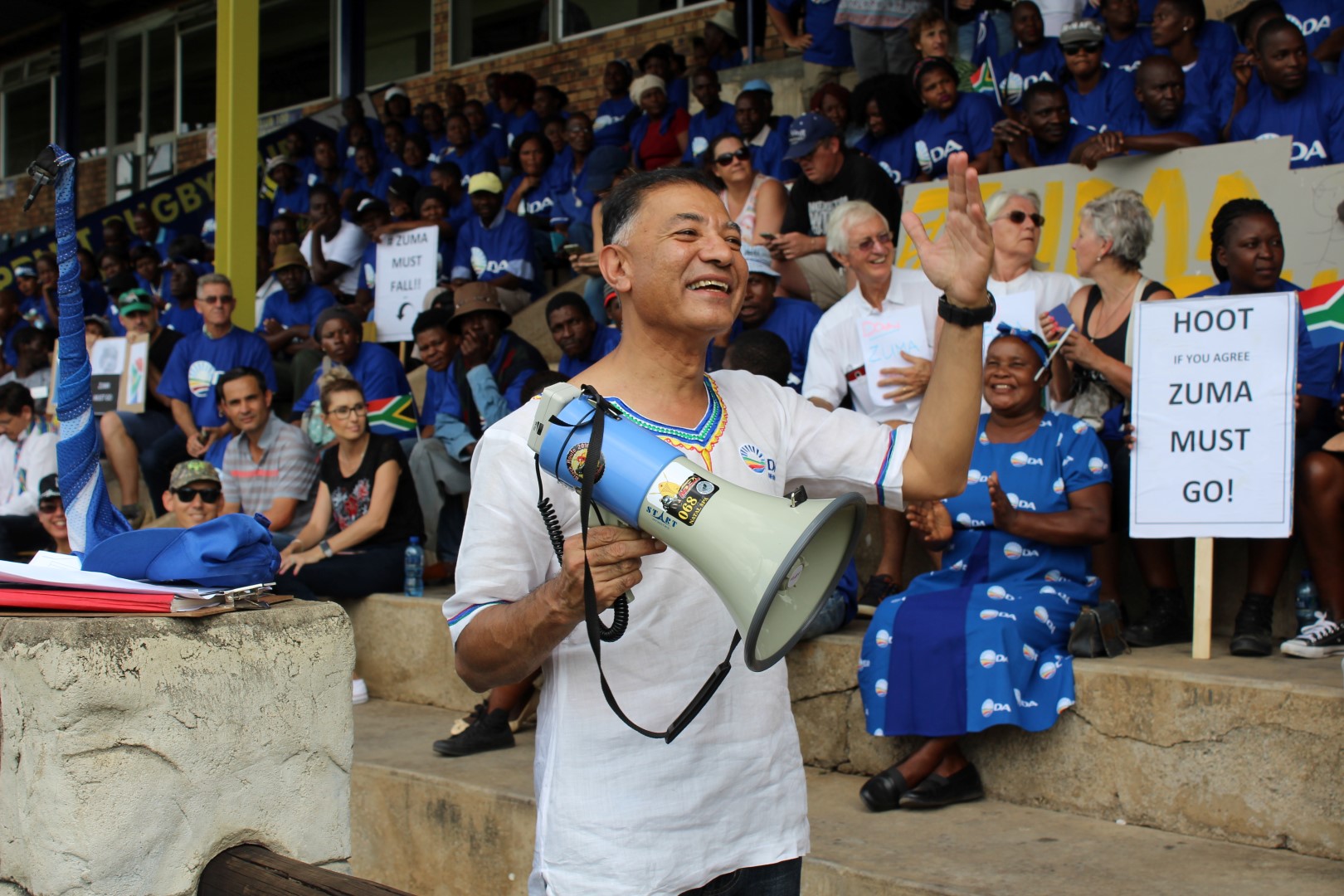
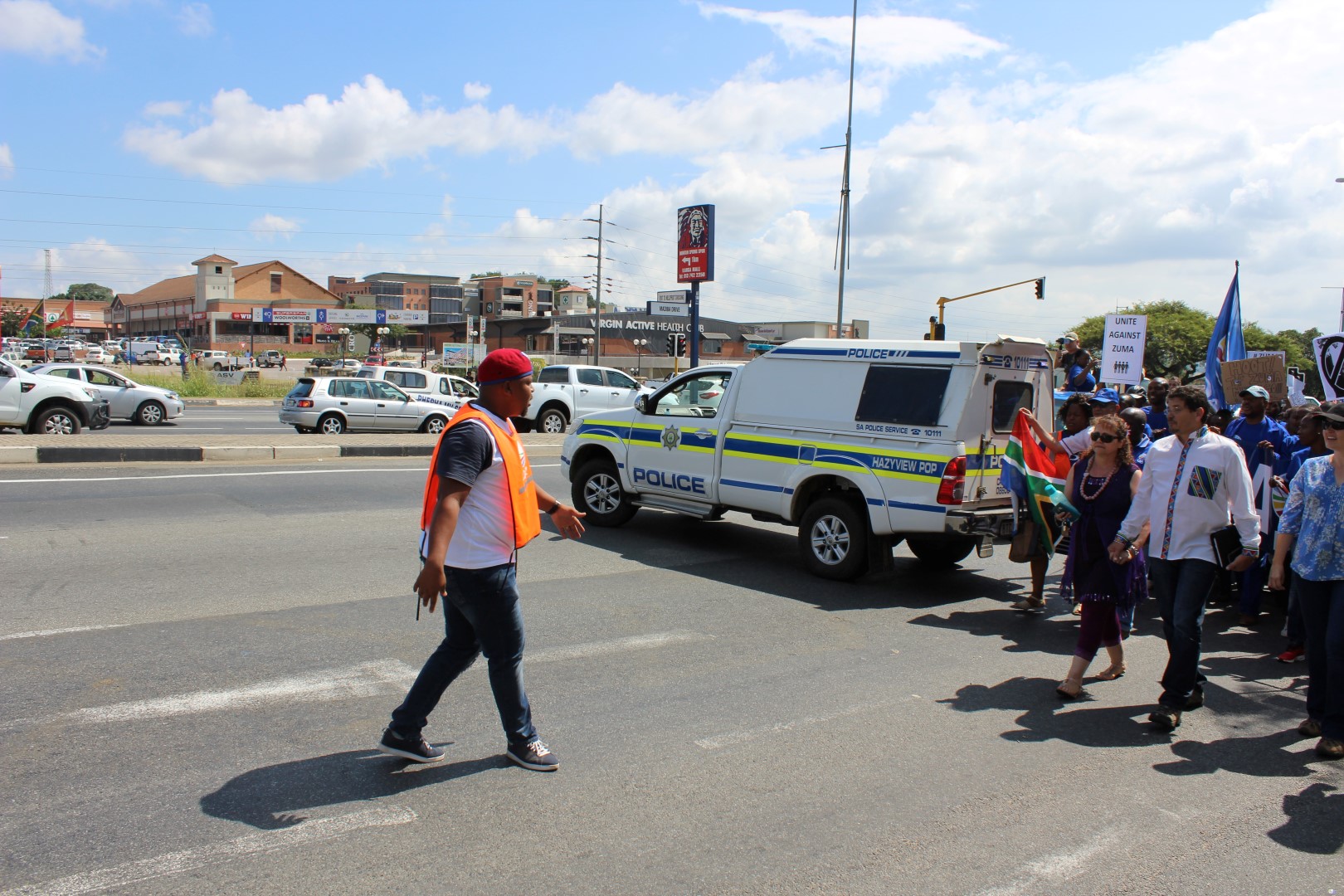
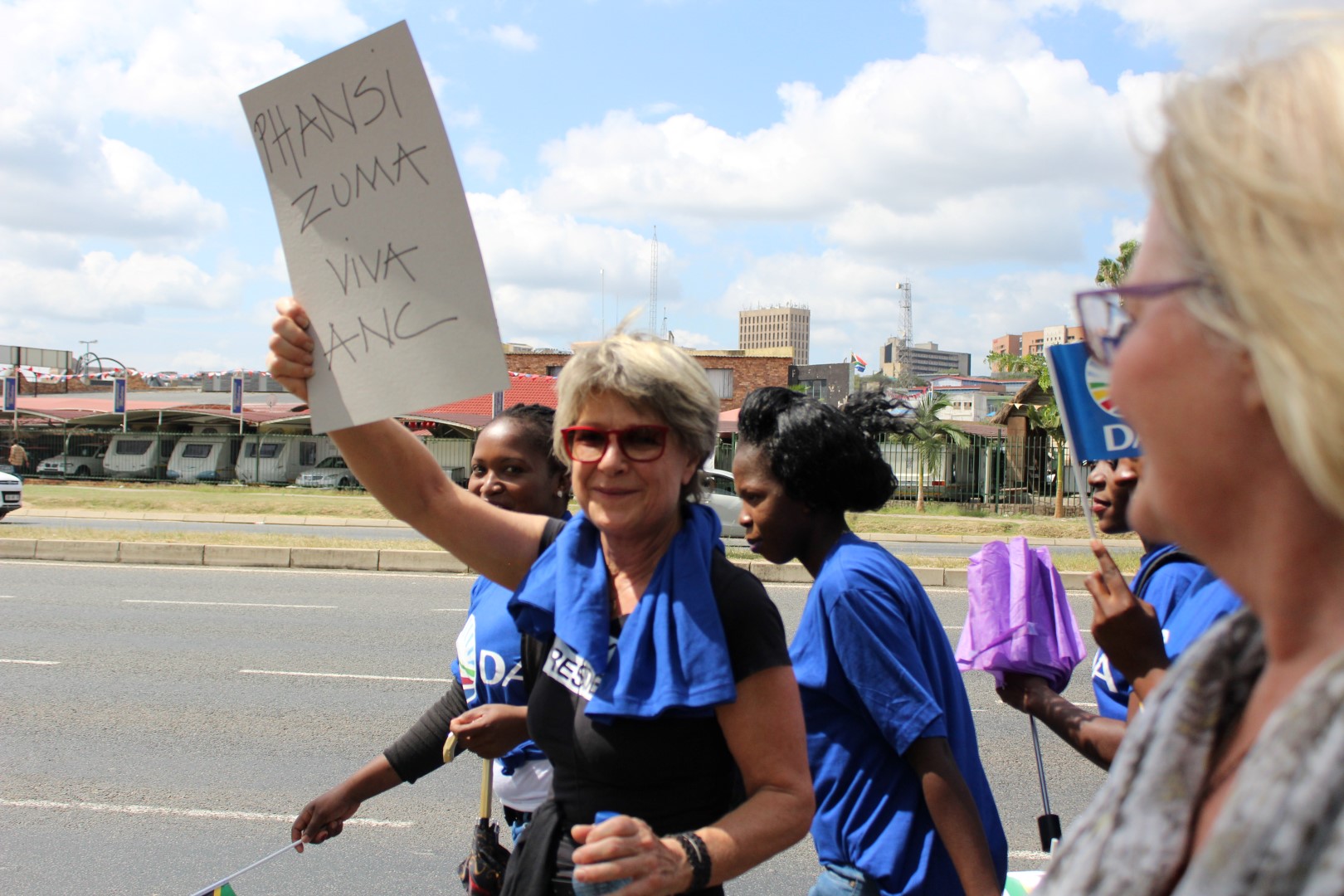
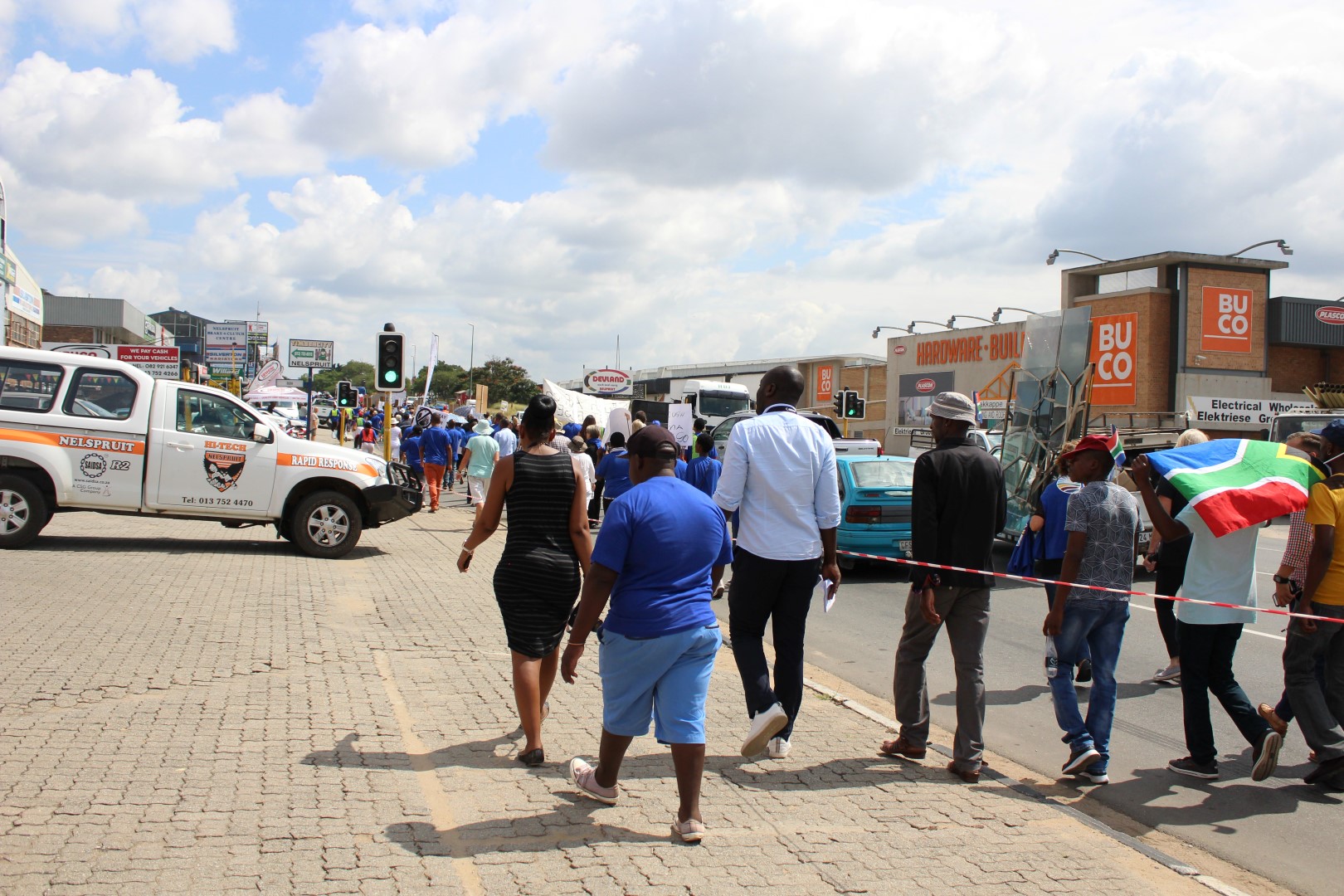
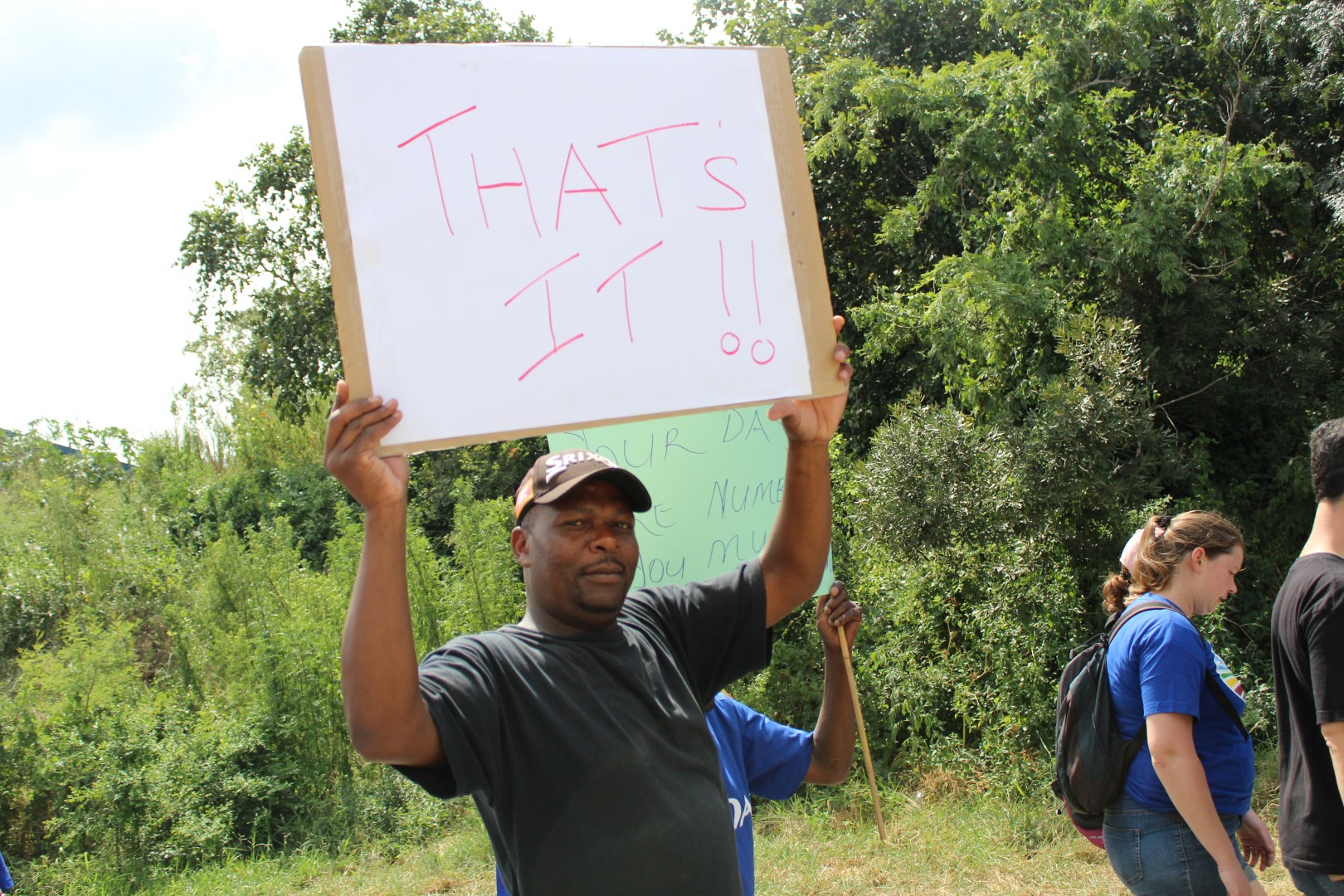
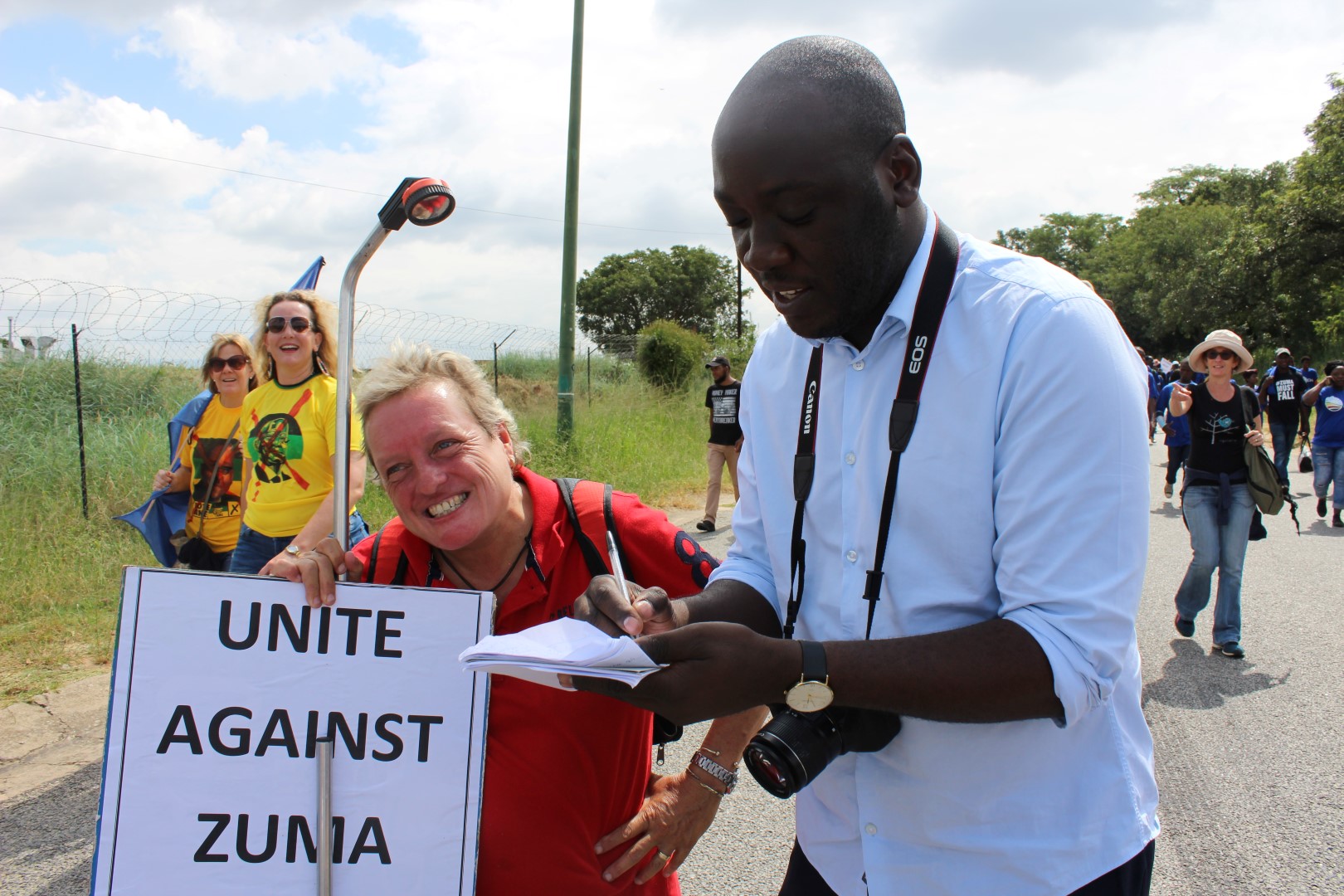
Let’s grow a collective backbone, demonstrate and fill the streets until somebody listens to our collective outcries. And yet, the National Prosecuting Authority, who was so publicly keen to bring charges against Mr Gordhan, is now silent on those who rape our children’s future.
South Africa needs an educated middle class that can provide the engine for growth and development in our country. We need our skilled citizens to be fully employed, being paid for what they contribute and feeling safe on the streets and in our houses.
The anxieties caused by incompetent leadership and own interest is destroying our society. When South Africa won the Rugby World Cup in 1995, the nation united behind our beloved President Mandela and the dreams of a united and non-racial society.
Over the past eight years our dreams were shattered, our people now uniting against a force and power that wants to destroy every household through thinly veiled utterances of “an inclusive economy” while its exclusivity for the few is blinding. We are tired, we cannot afford our economy, political system and our livelihood to be destroyed.
We need action and uncompromising leadership.
We want a Finance Minister with the integrity and foresight to grow our economy. By shrinking the economic pie, over taxing individuals and corporation an inclusive economy will remain a slogan. How will breaking down our economy empower anybody?
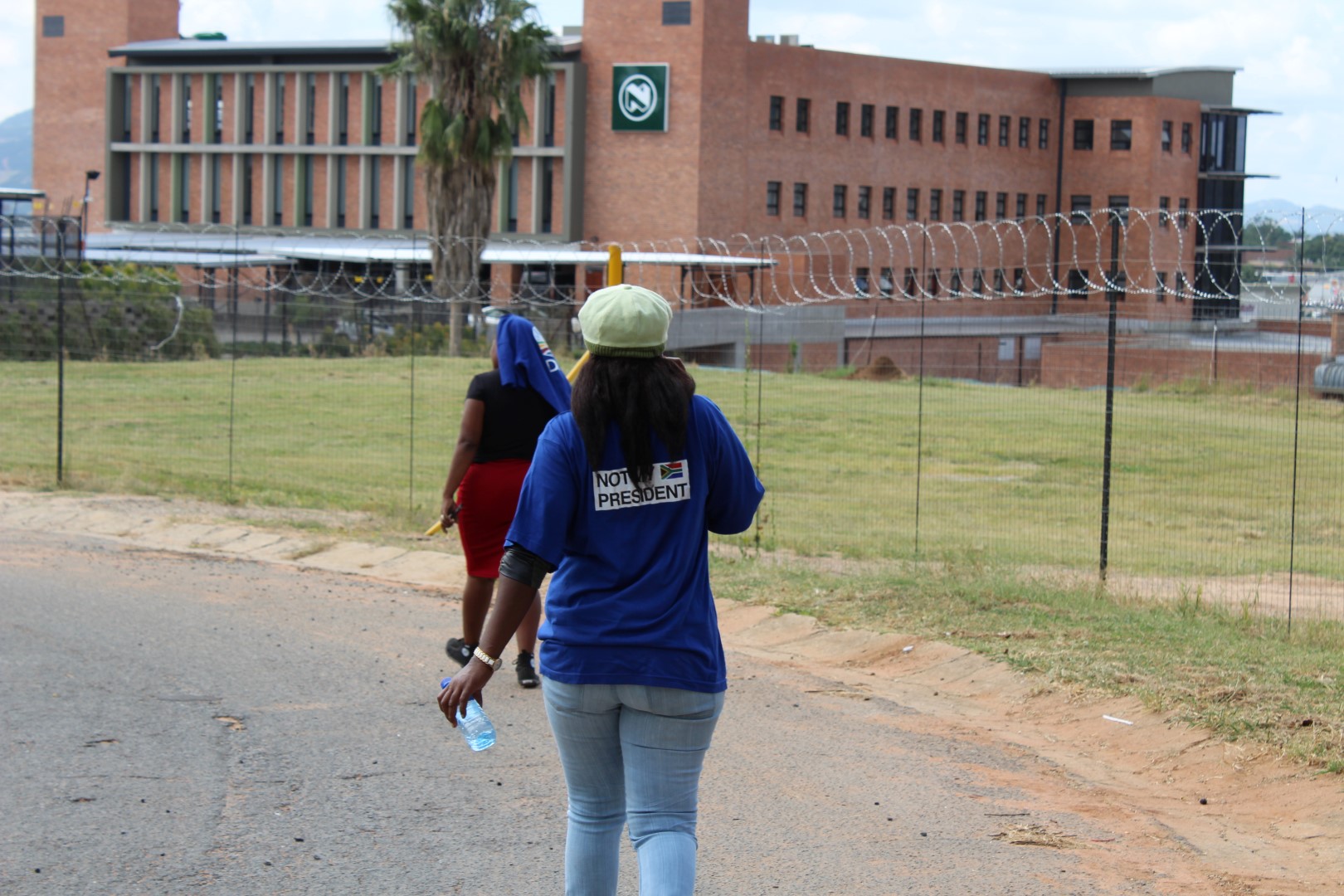
Ordinary citizens, from the newly qualified graduate reporting for work for the first time to the granny, anxious about her pension money, needs change to happen fast. This uncontrolled looting, nepotism and destructive tribalism present a political and economic quagmire that is holding our economic development and all of us back.
Ordinary citizens always bear the brunt of our political failings.
Considerate servant leadership will test their actions, stay clear of external influences and do what benefits their people. Our responsibility as South Africans extends far beyond our own borders and perceived influence spheres.
South Africans are angry, scared and hungry. Our livelihoods, society, cultures, democracy and country are slowly being destroyed by those with a never ending appetite for corruption. Their tables are heavy with the food that belongs in the households of the poor. If we do not remove the President and his sinister associates the international credit downgrade of our government’s financial instruments is just the beginning. If we continue overtaxing on our citizens, negative local credit instruments will soon follow. Investment in new projects or upgrades will seize and unemployment might skyrocket even further.
As ordinary citizens, we are under siege.
We demand a new Chief Executive Officer and new leadership. Our country is being managed like a personal fiefdom, resembling a family business extending favours to unscrupulous third parties and bidders with no conscience. We know what happens when companies are managed in this way – they fail!
I call on the “President” to show that he has respect for the poor and go. I call on all South Africans to tirelessly mobilize until that happens.