Bossies Community Justice experts at crime scenes
If people trample all over the scene, they could lose valuable clues.
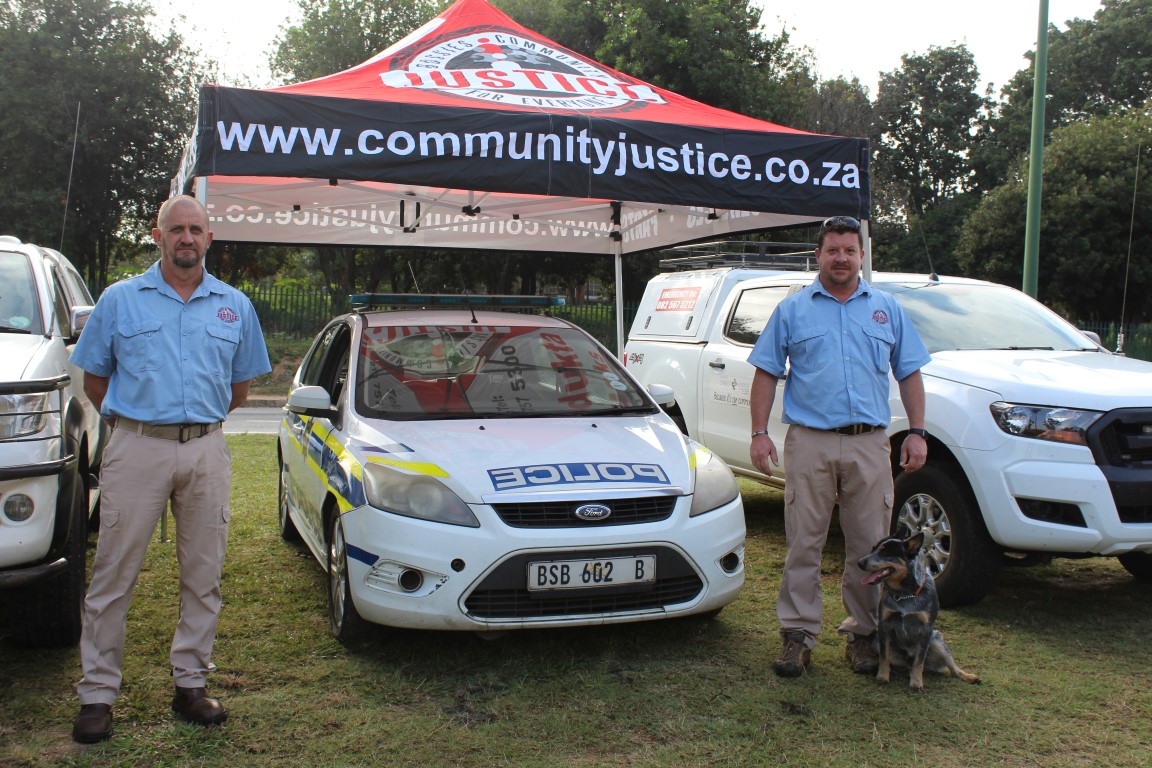
MBOMBELA – The most important person at a crime or accident scene is the first to arrive. Bossies Community Justice’s (BCJ) members are experts in standard operational procedures at a crime scene.
BCJ’s Danie Theron explained that attending scenes was his and Albert Gryvenstein’s full-time profession. “We are experts in this field. Court cases follow and this can mean the difference between a successful conviction or someone walking free.”
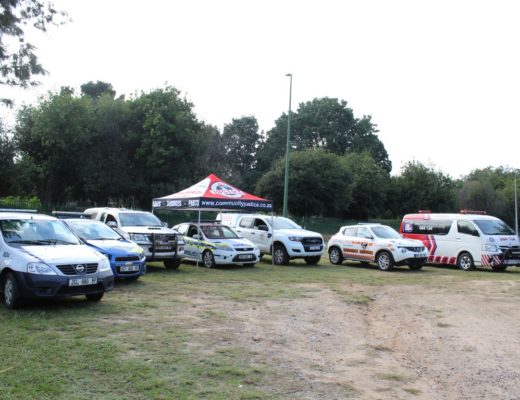
Gryvenstein said first they get a phone call. “We get as much information as possible regarding circumstances.” This means getting a description of possible suspects, the location where the incident occurred, the time it happened and if medical emergency assistance is needed.
“Ideally while we going to the scene we can already distribute a description of the suspects and inform other relevant role players and medical services if needed.
“The priority is to get to the scene as fast as possible.” Theron added that if a person owned a firearm for self-defence reasons and went to help a neighbour who had been robbed, and that person shot one of the suspects, he would create immense problems in court for himself, as that would not be considered self-defence.
“We only work with Sira-registered security companies and the police.” He said organizations like farm patrols and Nelspruit Concerned Citizens were there to observe and hand over information to the correct role players.
“Albert and myself do not carry firearms. We do not put ourselves in harm’s way. Even when I am tracking a suspect, I will have security or police with me.”
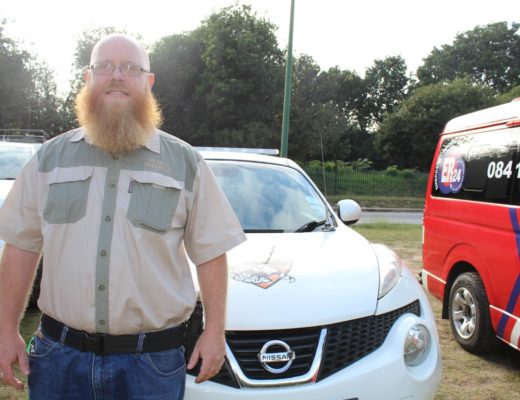
When the team arrives at a scene, the first thing it does is cordon off the area so nobody can enter. “This is to preserve the evidence. Especially footprints, as this is more valuable than fingerprints. If people trample all over the scene we could lose valuable clues.”
He added that if the emergency staff go to a scene and have to move an item like a table, they have to document it. “This is all for court records.”
Next, they have to determine if the suspects fled on foot or by vehicle. “If by foot, we have to determine what route they took and follow a path or a trail. This we have to mark and safeguard until the police dog unit arrives to track the suspects.” If too many people have disturbed the scene, the dogs will not be unable to track the scent.
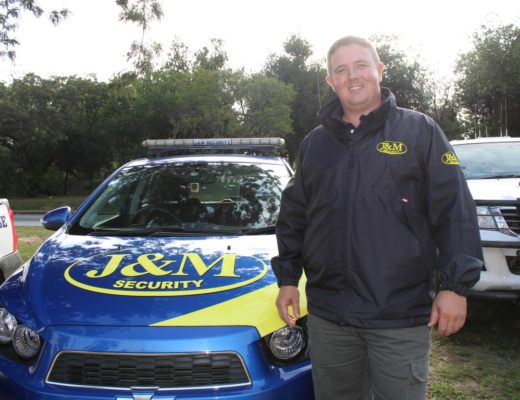
“When we do tracking, we determine the direction of the suspect’s flight, then we call in all security companies, and in the event of farm attacks, the farm groups, to alert the police if suspects are spotted, to enable the police to make a successful arrest.”
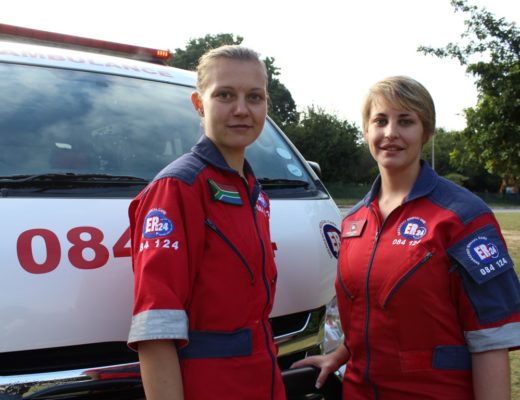
With regards to a case where medical assistance is needed, going through BCJ is a lot quicker. “We have direct lines to medical assistance and the police. But we still contact 10111 so the incident can be voice logged. It binds the police to attend to the scene. It is important to get a reference number.”
BCJ also ensures that the relevant role players who are needed at scene are there. “We need to call out the forensic specialists to the scene. This sometimes can be delayed, so we have to safeguard the area until they arrive.”
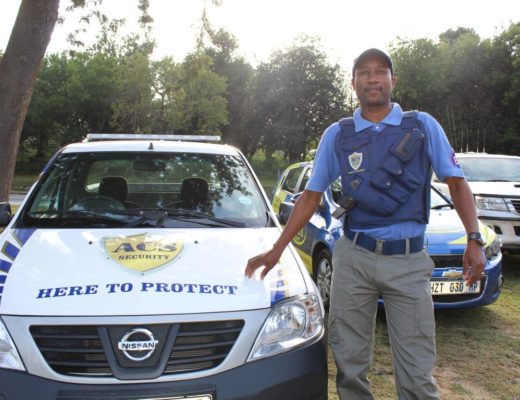
Gryvenstein said in the case when someone is injured at a scene and taken to hospital, the person is then incapable of opening a police case. “We make sure a docket is opened. It is what they call an A1 statement.”
In one incident after a farm attack, BCJ arranged air support to patrol the area. “This resulted in keeping the suspects in the area, trying to hide. Therefore we were able to track them and they were arrested.” Gryvenstein said in this regard due to the financial costs, they would have to decide at the scene to assess if it was feasible.
Recruiting informants is most costly to the team. “We need to utilize and recruit informants in the area as they assist in investigations by means of information.” In a recent murder case, BCJ paid an informant R50 000 for information which resulted in the arrest of the suspects. “This is why we need financial support from the public.”
Read more here: Bossie’s Community Justice: Where it all started