
Give malaria a thumbs down
With malaria cases rife in Mpumalanga, residents and travellers should be alert about symptoms and precautions against contracting the disease.
MBOMBELA – Following a spate of malaria cases reported in Ehlanzeni district since April, the provincial health department this week alerted all travellers to risk areas, including the Kruger National Park, to take precautions against mosquito bites and seek medical help if they develop a fever or flu-like symptoms in the month after returning.
The Bushbuckridge, Nkomazi and Mbombela subdistricts have been the most affected by malaria recently. Read more here.
What is malaria
Malaria is defined by the World Health Organization as a life-threatening disease caused by parasites transmitted through the bites of infected female anopheles mosquitoes.
The fever is caused by blood parasites of the Genus Plasmodium, which are transmitted via a mosquito bite and can lead to complications like kidney failure, seizures, coma and death.
The National Institute for Communicable Diseases (NICD) describes Plasmodium as a group of single-celled animal parasites that lives on the red blood cells of many birds, reptiles and mammals. There are four human malaria species, of which P. falciparum is the most dangerous, but also the most common in Africa.
The parasite multiplies in two stages. Sporozoites, when injected, first travel to the liver where one cell produces tens of thousands of merozoites, which enter the blood system and multiply further.
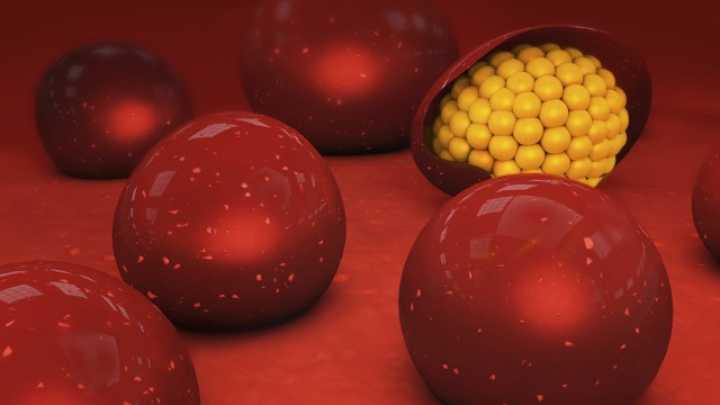
The liver stage can also become dormant and re-emerge after months or years. The parasites feed on red blood cells in the bloodstream, divide and destroy the cells when breaking free. Each parasite produces new ones, which then invade another red blood cell and start dividing again.
The symptom of fever is caused by the release of waste material when infected cells rupture in the blood. Cerebral malaria is caused by clotting of red blood cells in the brain blood capillaries. Failure of organs like kidneys, liver and spleen is caused by the flood of waste materials and the clotting of blood capillaries.
Prevention is better than cure
The MEC for health in Mpumalanga, Gillion Mashego says malaria teams are on the ground to contain the disease and health facilities are ready to deal with an outbreak.
All medical sources agree that protection against mosquito bites should be the focus of malaria prevention.
The malaria-transmitting mosquitos are only active between dusk and dawn, hence bites can be avoided by wearing long pants and socks, applying topical mosquito repellents, burning repellent coils, sleeping under mosquito nets treated with long-lasting insecticide, the use of air conditioning and fans and staying in dwellings with screened windows and doors.
The South African National Travel Health Network advises travellers to high-transmission areas to consult with their doctors to obtain malaria preventing medication.
Malaria symptoms should be treated immediately. Anyone presenting with the symptoms listed below should visit their nearest doctor or health facility immediately for a malaria test. A negative test should be treated with caution, and tests should be repeated until positive or until symptoms resolve.
Symptoms
People with flu-like symptoms should immediately consult a local health facility for testing and treatment. Symptoms of malaria overlap with those of influenza, and the influenza season has not come to an end yet. These symptoms include fever, headache, cold shivers or hot sweats and muscle pain.