Avo industry adversely affected by trade in stolen fruit
Lowvelders should refrain from buying avocados from vendors during the period between November and March, since no avocados are harvested locally during these months. Those available may be stolen from orchards.
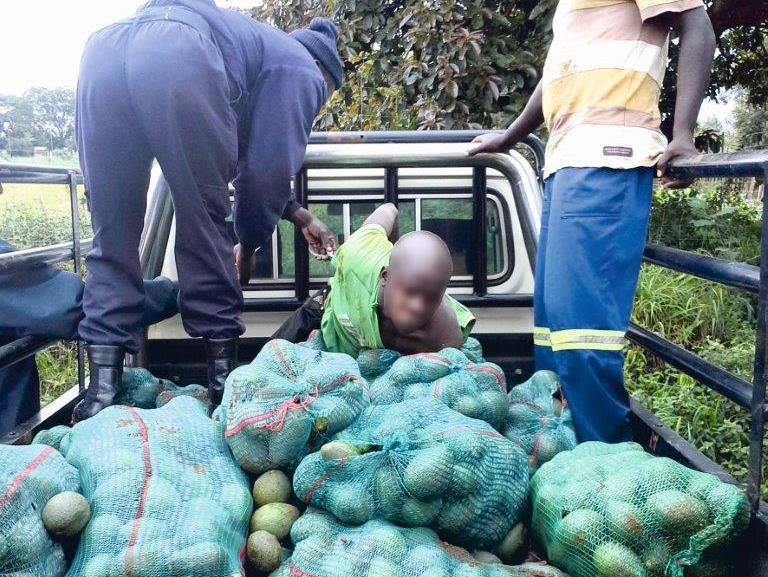
BRONDAL – Crime syndicates have set their sights on the Lowveld’s avocados. The thefts are fast becoming more sophisticated and are so extensive that farmers fear for the future of the industry.
Between November and April, Lowvelders should either refrain from eating avocados or be prepared to buy them at highly inflated prices at shops.
No avocados are harvested locally during these months, and those available in stores are imported at great expense.
People who buy avos cheap from vendors during this period should not complain if it rot instead of ripen.
They may be buying stolen goods.
After avocado farmers in the Brondal area expressed their frustration about the large-scale theft of their products in a Facebook post last Sunday, some of them met with Lowvelder and aired the hope that greater public awareness of the issue might diminish the market for stolen fruit.
Although theft has been a long-standing problem, it has increased exponentially over the last five years and methods are becoming more sophisticated by the day.
The extent of incidents indicates that they are orchestrated by syndicates. Bagged avocados worth more than R300 000 were discovered on one farm, ready to be transported, on Saturday night.
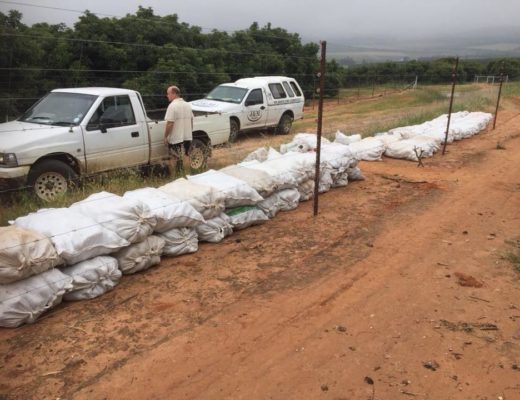
Even though the fruit was recovered, it is now useless. It was picked too early and will rot.
Last year, in addition to bakkies full of fruit, an intercepted sedan was loaded so heavily with avocados that the driver could barely control it. A five-tonne truck was caught on security cameras in the small hours of the morning as it entered a farm through a cut fence. It left 45 minutes later packed with bags filled with avocados.
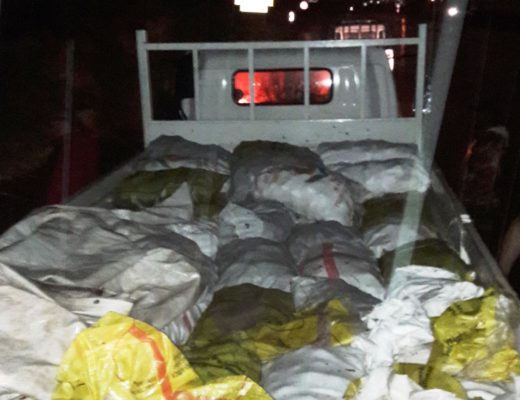
During another incident, security guards found 30 people picking avocados in an orchard, while three bakkies waited to transport them.
“We have already erected electrified fences (which are simply being lifted) around our farms and after the incident with the truck, a security company specialising in the protection of orchards was appointed,” said the farmers. They run patrols for six hours at night too.
Thieves usually hit before the harvesting begins. “The harvesting season only starts from mid to late March and lasts until the middle of November,” said a spokesman for the farmers.
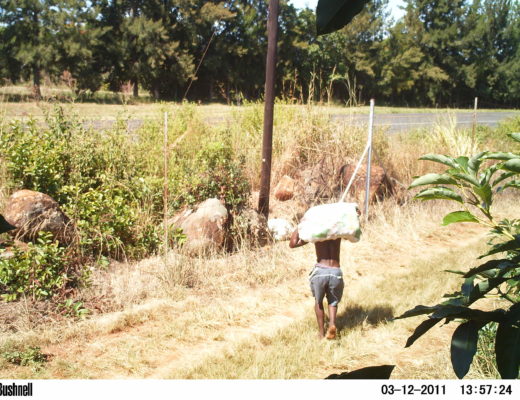
“The fruit is first tested for the optimum moisture and oil levels before declared ready for picking.”But thieves already started stealing from December, probably because tourists created a market and the fruit, although not ready, looked edible.
Motion-triggered cameras help farmers gather footage of thieves’ activities. They also suspect that criminals are aided by farmworkers, and that the latter are intimidated, as even several thousand-rand rewards do not encourage them to surrender information on accomplices.
Farmers are frustrated by the prosecution process after suspects are handed to the SAPS. Certain officials claim there is insufficient evidence to prosecute suspects. When vehicles are tracked down with stolen goods, they argue that the vehicles were no longer on farms, and could not be linked to specific incidents of theft.
Capt Dawie Pretorius, spokesperson for the Nelspruit SAPS, said that a charge of possession of allegedly stolen goods could be laid in the if a suspect cannot show a receipt of purchases. “When encountering this attitude, farmers must get the details of the SAPS member concerned and his vehicle registration number, so that we can follow the case and investigate allegations of a member failing to investigate a case properly.”
Consumers who buy stolen avocados also lose out. The fruit will not ripen.
Such an experience could deter consumers from buying avocados in future, which leads to further concern among farmers that the entire industry is adversely affected.
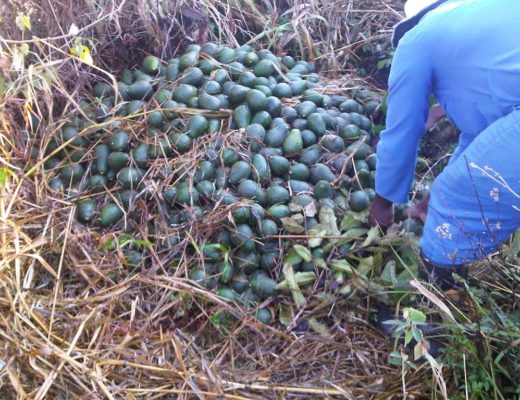
Official receipts are issued to all buyers at farms’ warehouses. If resold to street vendors, it is difficult for the public to determine whether avos available at stalls were legally acquired, but stolen avocados can easily be identified by their lack of stems. “Because it was broken off branches and not cut off with scissors, the stem is completely missing,” said a farmer.
“People should also be aware of avocados covered in a blue-white chemical residue. Even third-grade fruit sold to vendors is cleaned in our warehouses,” he said.
Pretorius advised the farming community to participate in the rural safety programme and send representatives to the next community policing forum meeting on February 6 at the Southern Sun Emnotweni Hotel, in order to air their problems with the prosecution process.
Consumers have to be patient for another two months before delicious, cheap and legally harvested avocados will be available.
Or they need to reach deep into their wallets for an imported version of Lowveld green gold.