What type of tarian are you?
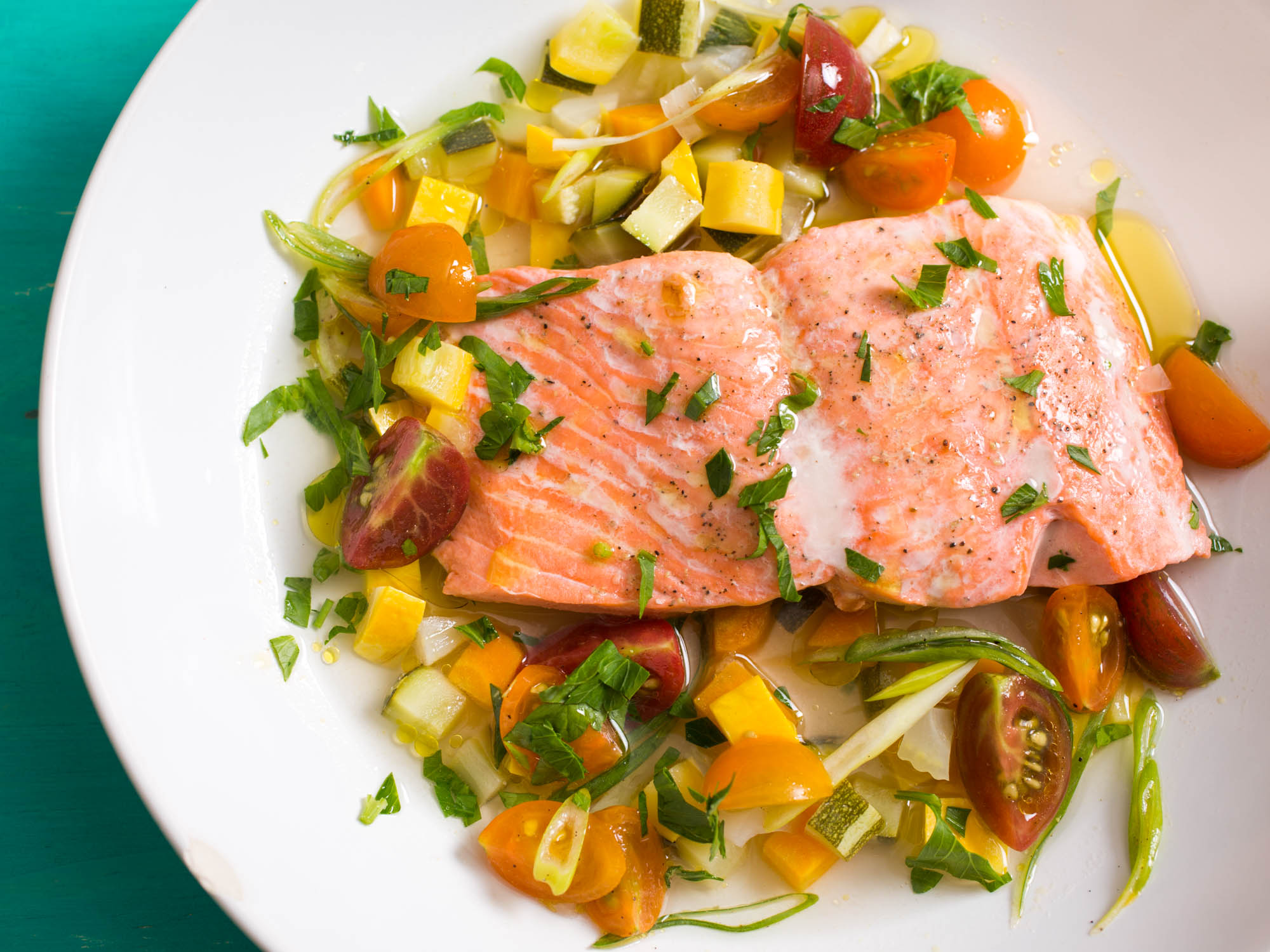
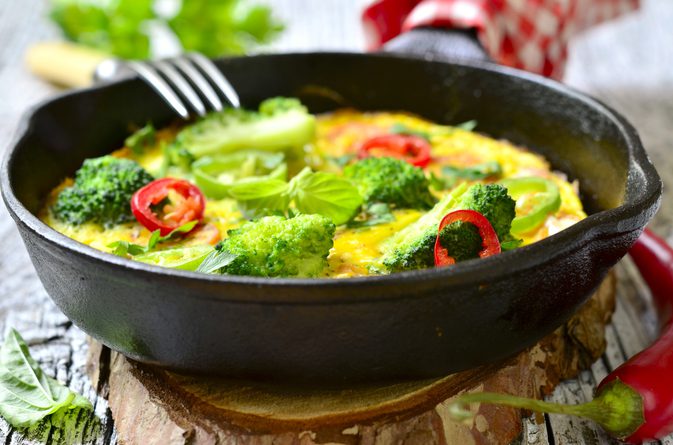
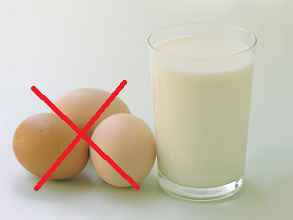
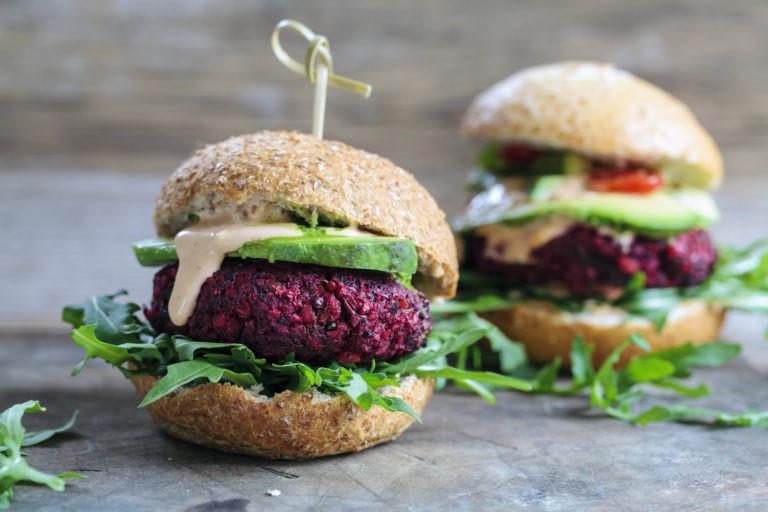
Gone are the days of carnivores and omnivores. We now have food-based categories such as vegan, vegetarian, pescatarian, ovo-lacto-vegetarian or lacto-vegetarian and flexitarian, among others.
Sometimes the choice is based on ethical beliefs and sometimes because of health restrictions. For example, you may not be able to eat wheat or dairy, which makes you gluten or lactose intolerant.

Fortunately, the immense variety of food choices available on the market today makes it far easier to cater for specific dietary requirements. In a world where food is becoming increasingly more unhealthy due to being genetically modified or in many cases, nutritionally depleted to keep up with overwhelming demand, the distinction between what we should be eating and what we are is a fine line.
Qualified dietician at LowMed Health and Sport Performance Centre, Reon van Aardt said vegan diets, if properly planned, are safe, nutritious, and healthful, but just like poorly planned omnivore diets, they can lead to health problems if followers make poor food choices.

“This is an ongoing debate whether a vegan diet (mainly followed due to religious and ethical objection) is healthier than an omnivorous eating plan.
“Being vegan shouldn’t prevent you from getting the nutrients you need from your food. People often assume that insufficient protein intake on a plant-based diet will be a problem, but there are plenty of plant protein sources such as lentils, beans, chickpeas, nuts, seeds, soy products and wholegrains.”
Research shows that plant-focused diets are naturally high in fibre, low in saturated fat, and rich in phytochemicals that may have a beneficial effect on blood pressure and cholesterol, as well as help fight the development of certain cancers.
However, micro-nutrients like vitamin B12, calcium, vitamin D3, iron, zinc and omega-3 fatty acids will likely need to be supplemented when following a vegan diet.
“Remember, whether you’re following a vegan or omnivore diet, you should be striving to include a wide variety of different foods. It is also essential that adequate and thorough planning is carried out to ensure nutritional deficiencies are avoided,” said Van Aardt.
What are the differences?