Low water levels in Croc River results in restrictions for farmers
A 35 per cent restriction on water use from the Crocodile River and its tributaries for agriculture-related irrigation is now in force.
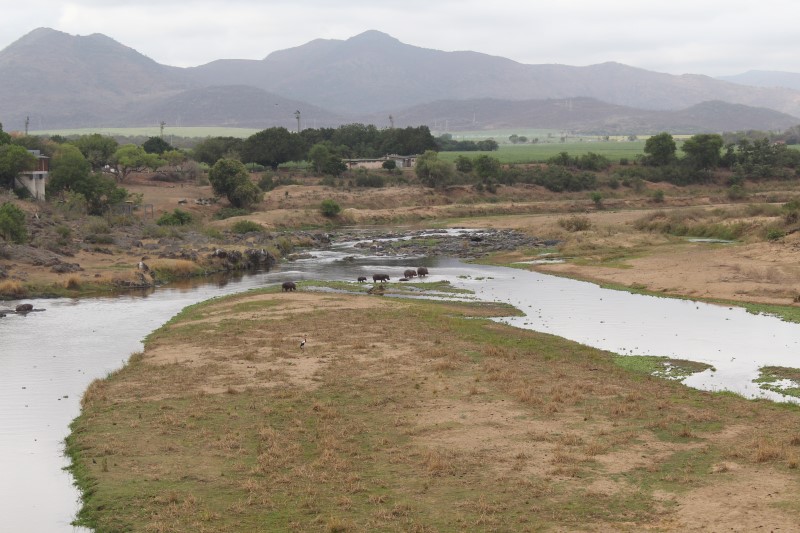
MALALANE – The lack of rainfall and extreme temperatures the Lowveld is experiencing have forced the Inkomati-Usuthu Catchment Management Agency (IUCMA) to implement a 35 per cent restriction for farmers abstracting water from the Crocodile River with immediate effect.
Due to the extremely low flow in the Crocodile River and associated catchments IUCMA has been unable to meet the environmental flow requirements and the needs of water users in the lower areas of the river (such as Nkomazi and Mozambique) and had to urgently intervene.
The agency did so through increased releases from Kwena Dam, as well as the aforementioned water restriction. From September 28, seven cubic metres of water per second was released from the dam. On Monday, the dam level was at 59,6 per cent.
READ: Water Wednesday: Rainwater harvesting could be the future for South Africa
The restriction includes abstractions from dams, surface water and groundwater resources.
IUCMA stressed that where any higher restrictions by irrigation boards are already in place, it will override IUCMA’s restrictions.
The restriction will remain in place until further notice and be reviewed and amended as needed. However, if the Kwena Dam’s level drops below 55 per cent, restrictions will be increased to 60 per cent.
IUCMA highlighted the following rules that water users should keep in mind.
Unlawful water users are not allowed to abstract or store water and could face legal action to have them removed from the water user list. If more water is being used than the lawful allocations, users are urged to immediately adhere to the restrictions and reduce their consumption to 35 per cent less than their lawful portion.
Even if it is within their restricted abstraction or storage, no water user may completely stop the flow of water in a river.
IUCMA is bound by law to ensure that the water has a high enough level to sustain the ecology of the river and ensure users downstream have enough water to meet their needs.
At least 30 per cent of the flow should be able to pass downstream, but the amount is determined on a case-by-case basis and could be higher.
READ: Residents advised to save water as dam levels drop
All water users with access to storage in lawful dams, should be allowed fair use of the water. A reserve should be kept to ensure that all reasonable domestic, ecological and stock watering requirements can be met. If the dam or river levels can’t supply more than the reserve requires, all other users must stop abstracting from the dam until the levels rise again.
In its season climate watch for September to January, the South African Weather Service stated that it expect below-normal rainfall between October and December in the summer rainfall areas.
Onderbergers should prepare themselves for lower rainfall and higher temperatures, which could occur due to the high probability of the El Niño weather system.
READ: ‘n Droeë somer wink vir die Laeveld