Fuel economy is worth thinking about
The fuel economy of the modern motor car has improved significantly over the past 20 years.
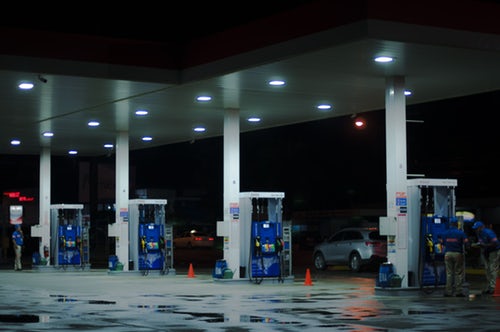
Improvements in engine technology have seen the average fuel consumption of passenger cars decrease from over 10 litres per 100km in 1980 to less than 6 litres in the case of many of the latest high-technology, highly fuel-efficient models.
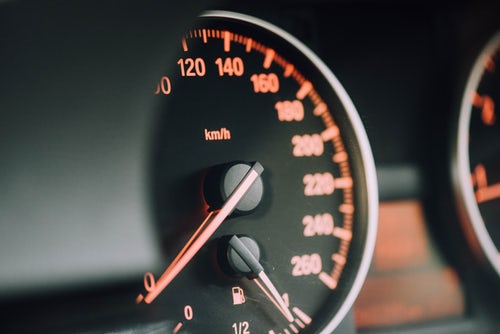
In addition to zero emissions and zero fuel consumption, electric vehicles as well as fuel-efficient hybrid vehicles – many new models currently available in South Africa – offer substantial fuel consumption benefits.
ALSO READ: Lowvelders’ fuel price also to increase
The latest generation diesel vehicles, while offering all the refinements and performance of their petrol-engined counterparts, also offer significant fuel economy benefits.
Factors such as driving style, vehicle loading, tyre pressures and road conditions continue to affect real fuel consumption.
The following fuel-saving pointers are recommended for motorists to improve vehicle fuel efficiency.
• Measure the fuel consumption of your vehicle and consider replacing your vehicle with a more modern, high technology, fuel-efficient product.
• Avoid unnecessary journeys/plan your journey.
• Service your car according to the manufacturer’s recommended schedule; poor maintenance can significantly increase fuel consumption.
• Check tyre pressure regularly; low tyre pressures increase vehicle “drag” and hence fuel consumption.

• Drive smoothly; in the case of manual transmission vehicles, change up as soon as engine speed and conditions allow.
• Moderate your speed; fuel consumption increases significantly when driving at speeds over 100kmh – it can be as much as 20%.• Reduce weight in the car by removing heavy items if you are not using them, like the roof rack.
ALSO READ: How is the price of fuel determined? These are the fuel pricing dynamics you need to know
• Use only quality, clean fuels; the use of contaminated fuels can result in fuel-injection equipment deterioration and increased fuel consumption.
• Avoid travelling during peak hours; optimum fuel economy is achieved during steady constant speed driving. Stop-start driving significantly increases fuel consumption.
• Use air-conditioning sparingly.
Vehicle manufacturers worldwide are committed to providing safer, high-tech, environmentally friendly and highly fuel-efficient new products.
Source: Naamsa