Confusion mounts over African horse sickness
Panic and confusion have gripped the horse riding community following an outbreak of African horse sickness (AHS) countrywide.
MBOMBELA – A number of locally organised shows have already been postponed, but a national clinic in Kaapsehoop is to go ahead, much to the chagrin of some riders and horse lovers.
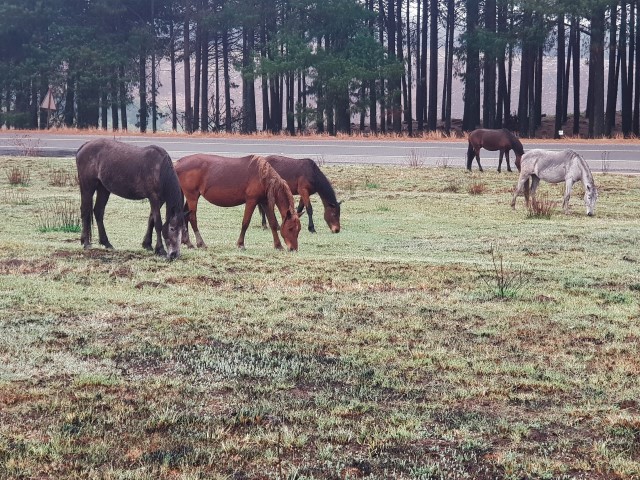
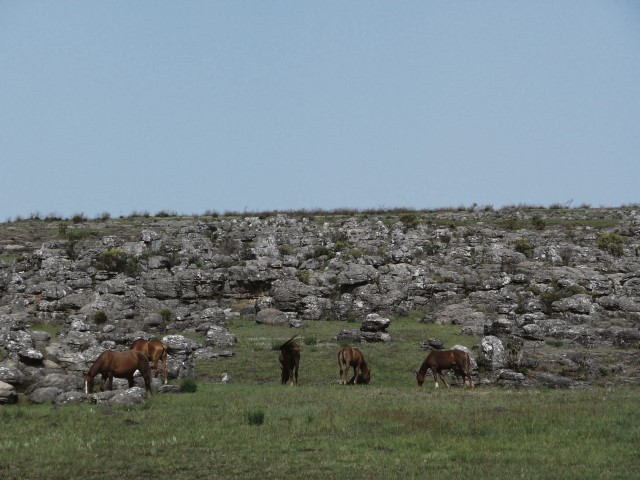
They argue that the wild horses are more at risk, as they are not vaccinated and naturally live outside.
The virus which causes AHS has nine serotypes. It is spread when a gnat bites an infected horse and then bites another horse. It causes an excruciating death. There is no known treatment and the mortality rate in horses is in the vicinity of 90 per cent.
As a result, SANESA’s second qualifier in Mpumalanga, which would have taken place at Badplaas this weekend, has been moved to April 5.
The national dressage show, which was scheduled to take place at Mataffin from April 23, as well as a training show scheduled for March 16 at Cést la Vie Stables have been postponed too.
Questions remain about exactly how bad it is, and where. The chief state vet in Gauteng said in an internal email that they have seen a very sudden increase in the reports of AHS and that all districts in Gauteng are affected.
“Suffice to say we have a big outbreak going on at the moment in Gauteng.”
Dr Camilla Weyer, DAFF authorised veterinarian, working on movement control and equine disease surveillance, said the Vaal Racecourse is under movement restriction and is closed for direct movement into the AHS controlled area.
There are also concerns that an influx of horses from other provinces where the outbreak is more severe to Kaapsehoop would put the wild horses at risk.
ALSO READ: Horses now rhino’s best friend
Mpumalanga state vet Dr Themba Mnisi said only one confirmed case in the Mbombela area – on the Barberton Road – has been reported to him.
He explained that private vets usually treated the horses and AHS has to be confirmed via lab tests. Either the vets or the lab will inform the state vet of confirmed cases. According to Mnisi, another suspected case turned out to be equine flu.
“It is not a very big outbreak. There is nothing much to worry about,” he said.
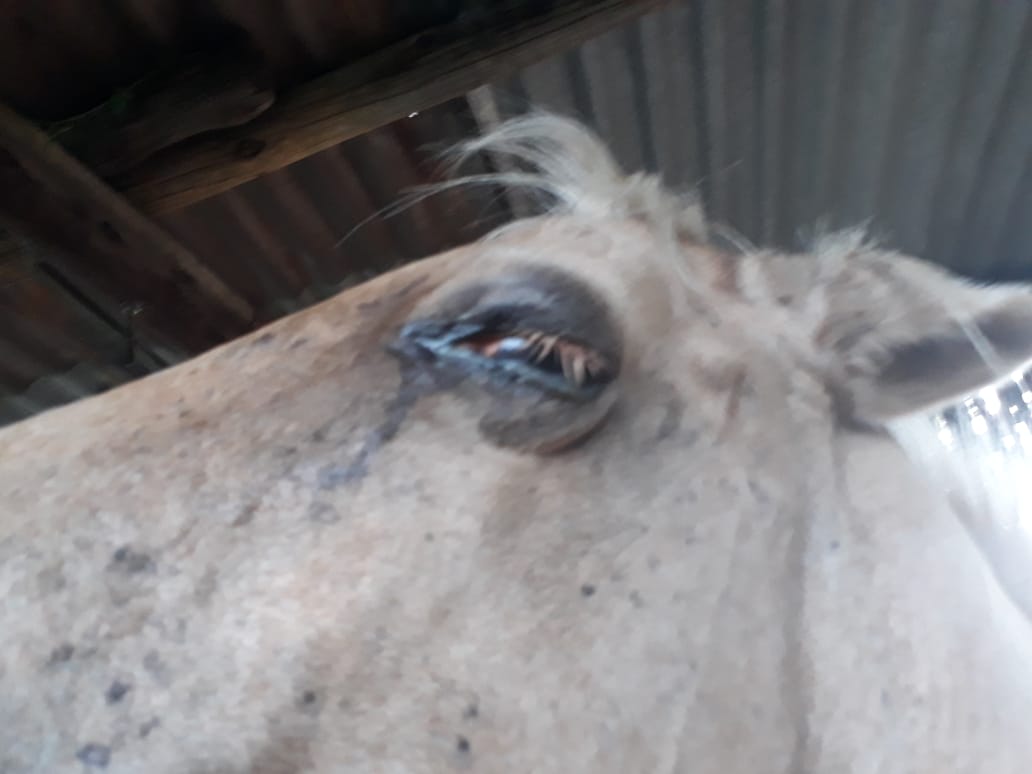
Anita van Eeden, secretary for the Boots & Bridles Equestrian Club, disagrees, as two of her own horses have it. Her colt pulled through and her mare is recovering from the dikkop version.
AHS has not been this bad since 2012, she said, when she lost a mare.
Regarding the travelling for the horses, Van Eeden said it is a difficult thing, but it is agreed that it increases the chances of a horse contracting it.
“People are scared to report it to the state vet,” she added. “I don’t know why, because there is no shame in it. Any horse can get it. It is definitely more widely reported on Facebook this year.”
Whether horses are vaccinated or not, and whether they are moved or not, they can get it. However, everyone agrees that moving a horse puts them at risk, as the stress lowers their immune systems.
According to Dianne Pienaar, RSA Stewart general, controlled movement would really help to curb AHS around the country, as “I am sure it is spread when horses travel to events”.
Tracy South from Mataffin Riding Club said they postponed the dressage over concerns that people would not enter out for fear of travelling.
“People have different theories,” South said. “The problem is that people do not report it, but there has been an increase in reports on Facebook. It is a scary time of year.”
Leon Smith, who is organising the national clinic at the Kaapsehoop Horse Trials in two weeks’ time, said he cannot cancel, as it is a national event.
The South African Equine Veterinary Association said that the risk of contracting AHS when traveling into the recently affected areas “would likely be low for same day movement and return in daylight hours with vector control.
“It would, however, be incorrect to say there is no risk and horse owners should take this into consideration when making a risk assessment for their personal circumstances.
“In addition it should be noted that there is no legal requirement for a show holding body to cancel or postpone an event.”
Smith points out that AHS is prevalent in the area anyway.
READ MORE: Where horses and humans roam together
Another local stable owner agrees, pointing out that the entire country is AHS area, with the exception of the Western Cape, which does not allow horses from other provinces in without them first being quarantined for three weeks.
“It is a going concern. As far as I know, it has mostly been farm horses who sleep outside that have died. It does not feel as though it is worse than previous years.”
She added that it is a terrible sickness and she takes precautions against it every day of the year. “Our horses do not go out between 09:30 and 15:00. Those who ride late we use fly muti on. They vaccinate and take steps to minimise flies.
The Department of Agriculture, Forestry and Fisheries are tasked with communicating official statistics. They did not respond to Lowvelder’s request for clarity as of going to press.
ALSO SEE: Wild horse killed by a speeding motorist