Waiving of adoptions costs: DSD explains all
The department gave answers to the questions.
MBOMBELA – A proposed amendment to the Children’s Act in January surrounding the waiving of adoption fees, raised questions such as why the adjustments are being made now, what the practical implications are and if it will really benefit the child or not.
All adoptions are regulated through the Act and it is in place to ensure that children who are orphaned and vulnerable, get adopted. Adoption is the most effective means of providing a permanent and stable family life for orphaned and vulnerable children.
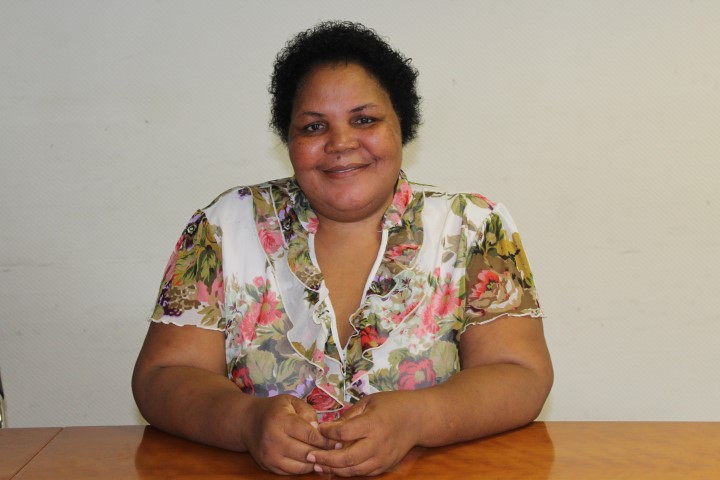
Lizzy Nyoni, programme manager for Child Protection Services for the provincial Department of Social Development (DSD), stressed that the law at this time requires that adoptions take place through accredited and funded child protection organisations as well as social workers in private practice.
“In most instances the private organisations and social workers request a payment that is not regulated by any law, and fees for the adoption process can run up to R30 000,”
she explained
According to Nyoni, it is not enough to regulate the costs that are charged by child protection organisations and social workers in private practices and that adoptions should also be done by DSD.
“It is our responsibility to support all adoption recommendations, before the reports are submitted to the Children’s Court. Part of the amendment for the Children’s Act is that social workers in the department do adoptions hence the training of social workers since 2015. This will allow South African citizens from any social class to adopt a child without worrying about high adoption fees.”
Thus, she argued, that it is in favour of both the child and prospective adoptive parents. “The charging of fees like these deprives children from the chance of a proper home, family and education.”
ALSO READ: A day in the life of a renowned local rock star
A major concern that arose regarding the waiving of adoption costs was the safety of the child, and if someone who cannot pay adoption fees should even be allowed to adopt.
“We will still do an assessment beforehand to ensure that the child will be placed in a most empowering environment. We just want to ensure that all prospective adoptive parents, whether they have money or not, are able to adopt as the issue of adoption fees deters the adoption culture that we are trying to develop,”
Nyoni said.
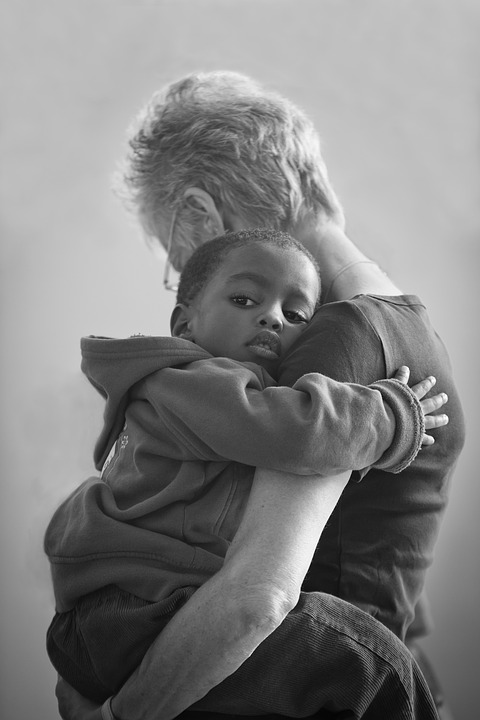
She explained that the assessment is done on the prospective parents’ financial, psychological, emotional and social backgrounds and that they also do interviews with friends and family members to ensure that the prospective parents are fit and proper and want to adopt for the right reasons.
According to her, the best interest of the child is paramount which looks at, for example, the relationship of the child with the person who wants to adopt, culture and religion.
ALSO READ: President to visit the community in KaNyamazane
If a child is orphaned, the family members of the child and relatives are considered first.
DSD is not sure when the waiving of adoption costs will come into effect, “however, we are hoping for it to be passed by the end of the year, although it all depends on when parliament will sign the bill into law.”
Nyoni could not confirm that the number of ±25 000 orphans will go down. “It should be noted that not all orphans are registered on the database and new children are entered into the system every day.
“However, we are confident that the formal placement of children will go smoother through public education and information sharing sessions that more people will be able to adopt.”