Safety starts with the community
More details about the plan will be presented to the communities at the meeting.
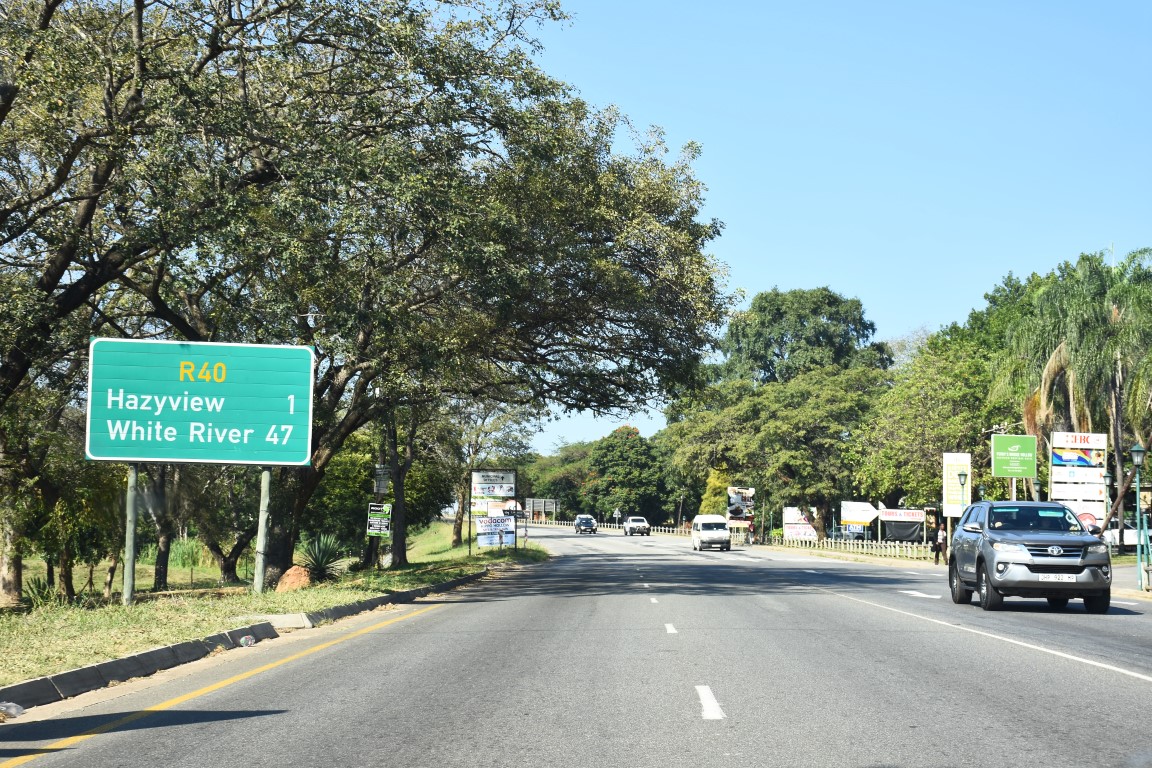
The Hazyview, Sabie and Kiepersol farming communities will get the opportunity to learn more about the DA’s approved rural safety plan in two weeks’ time. It will be presented at an event at Nabana Lodge on October 23 at 18:00.
Presentations are also planned for the Mbombela, Umjindini (Barberton) and Kaapsehoop farming communities, as well as Low’s Creek and Barberton communities, on October 24 and 25.
DA shadow minister of police, Andrew Whitfield, recently said during a press conference in Parliament they were concerned about South Africa’s rural communities being under siege by violent criminals. “South Africa’s vulnerable rural communities need urgent, clear and decisive action, and we cannot wait any longer. It is time to put our political differences aside and work together across party lines to implement a rural safety plan that benefits all South Africans.”
That is why the DA has developed a comprehensive safety plan that can be put into practice to address rural safety challenges. The plan takes a community-focused, “boots-on-the-ground” approach to rural safety, which includes the extensive use of technology in new ways, and proposals for greater police visibility to keep residents safe.
The safety plan proposes that the SAPS need to establish rural policing sectors as part of its sector policing structure and plan, and that each rural sector should have boots on the ground to ensure communities feel safer and to deter criminals.
He said community policing has shown to be an effective deterrent for crime, and since rural communities know their surroundings, they propose a bottom-up approach, where national or provincial safety strategies are issued to rural sectors, but where rural safety plans would be customised at a local station level, alongside community volunteers.
More details about the plan will be presented to the communities at the meeting.
“Our rural safety plan aims to guarantee community-based policing in rural areas and will focus on the unique challenges experienced by each district,” Whitfield said. “The model proposed is constitutional, and does not require any legislative, regulatory or policy changes. It is designed to act as an effective means to fight rural crime.”
He urged every citizen to play a part. “Not only the police, justice system or leaders in society, but all members of society should get involved.”