Low water levels in KNP cause higher death rates for crocodiles
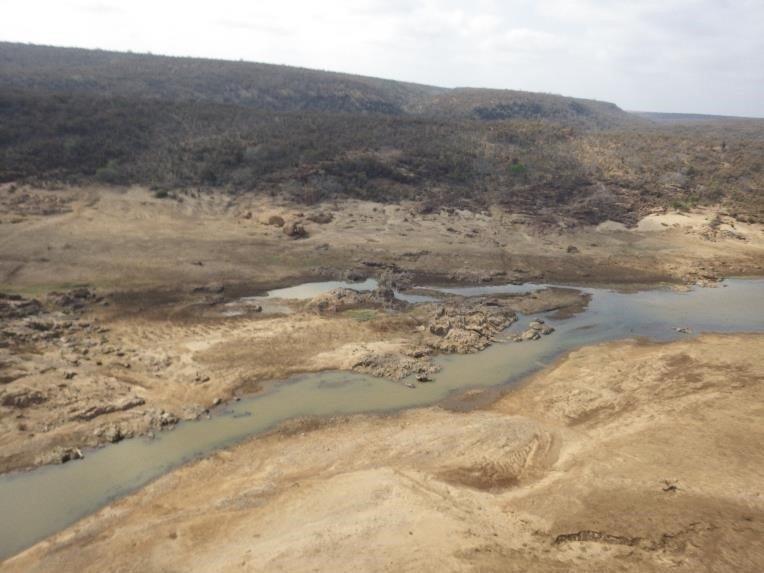
The ongoing drought seems to have hit a peak, with flows in the lower Olifants River reaching alarmingly low levels and declining rapidly. This is according to the Association for Water and Rural Development (AWARD) and SANParks, who have been working together to monitor the flows in the lower Olifants.
“If rains do not come, the river could stop flowing in the next month if urgent and immediate action is not taken,” AWARD mentioned in a statement on October 11.
Flows in the river are currently below 30% of the minimum legal requirements, which are put into place for all rivers of South Africa and are there to ensure basic minimum human needs are met and to ensure a river resource that is sustainable.
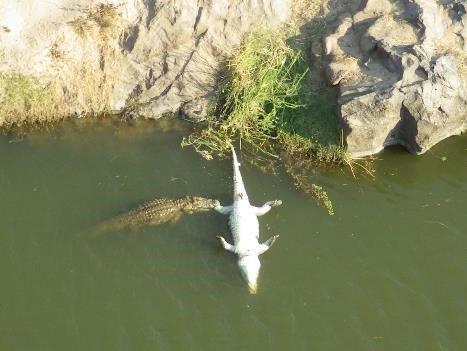
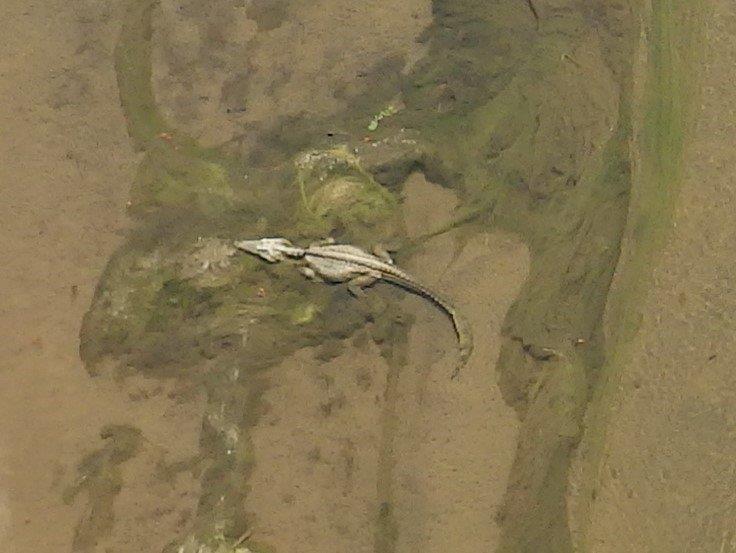
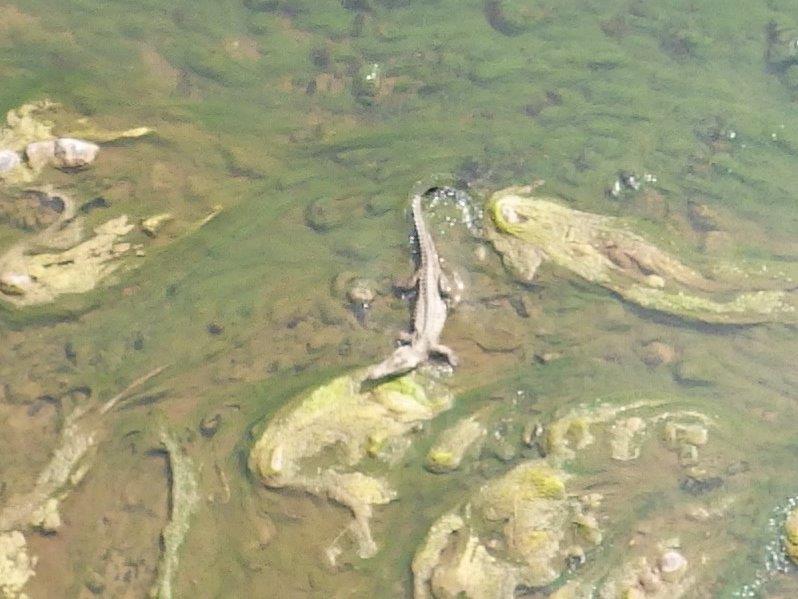
In the most recent Aquatic Biomonitoring survey of the Kruger National Park’s rivers, a few severely emaciated crocodiles were discovered between the western boundary and high-water bridge in the Olifants River.
According the Dr Eddie Riddell, Manager of Water Resources at SANparks, this is not typically seen in a normal year.
“There was recently a big die-off of crocodiles due to pansteatitis, but we don’t believe that this is the cause of the emaciated crocodiles. It is more likely due to problems in the aquatic food chain, as a result of the low river levels as well as the pollution in the river.”
Routine biomonitoring surveys are done each year to keep an eye on the various nutrient levels in the rivers, and unregulated use by both the municipality and agriculture continue to have an impact.\\
ALSO READ: Water crisis looms if taps run dry
The situation is having observable impacts on water users as well as ecological health, as the water quality problems are amplified greatly.
“Studies on human health and water quality revealed worrying levels of mercury, arsenic and molybdenum in some areas. Flows into Mozambique are very low and Massingir Dam is only 30% full,” reports Oscar Sibiya from Ara-Sul in Mozambique.
“Both SANParks and AWARD have been requesting the Department of Water and Sanitation (DWS) in Nelspruit to take action. Through the RESILIM-Olifants programme, funded through USAID, AWARD has supported DWS in various ways over the last five years,” AWARD mentioned in their statement.
With the support of the National Department of Water, releases have been made from the de Hoop Dam, which may temporarily mitigate the situation but this is not a long-term solution.
“Farmers may simply use this additional flow if they aren’t monitored” remarks Dr Riddell.
Farmers that have their valid water use licence are being impacted by many unlawful users. The farmers have requested that DWS regulate new users swiftly and to oblige them to join Water Use Associations.
Drought and risks to water security are a reality.
Dr Sharon Pollard of AWARD mentioned that, “Deep systematic issues need to be addressed.”
Around 80,000 people in the Sekororo-Oaks area are reported to be without water, forcing people to buy water at very high costs. Using water from the Olifants system without a licence will directly impact meeting their basic domestic needs. Despite the building of a major pipeline, communities still continue without an adequate water supply.
“In contrast, residents in Hoedspruit and Phalaborwa use up to 250 litres per person per day” notes Derick du Toit of AWARD.
Water restrictions are urgently needed. “More importantly, these need to be communicated widely with stakeholders and then monitored and enforced” remarks the AWARD/ SANParks team.
“The DWS Regional Office needs to implement restrictions together with the municipalities, monitor water users and curb unlawful use and communicate widely about the current water situation. Some water users have self-imposed restrictions including both the Blyde and Letaba Water User Associations. Local initiatives such as these and others – like restrictions by the Hoedspruit Airforce Base – need to be supported.”
SANParks and AWARD have said that they will continue to monitor the situation.