
National Responsible Gambling Awareness Month: Things to consider
Unlike other addictions, problem gamblers do not display physical signs
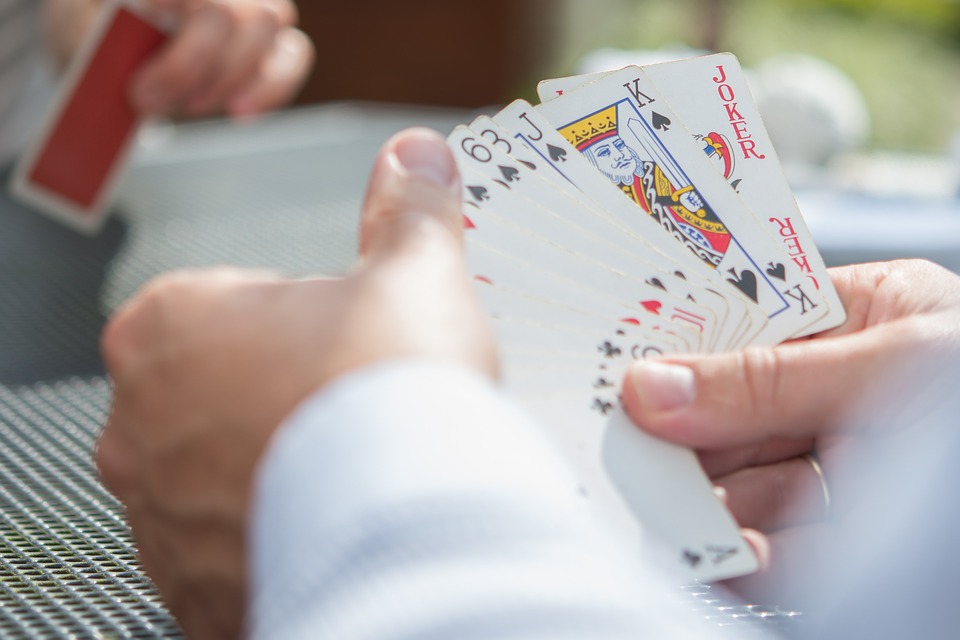
November is National Responsible Gambling Awareness Month. According to the Mpumalanga Economic Regulator, problem gambling is known as the hidden addiction.
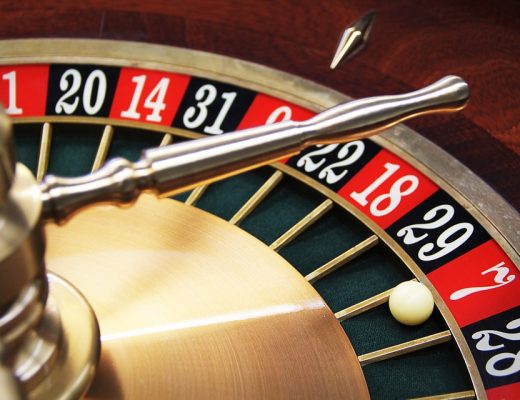
Unlike other addictions, problem gamblers do not display physical signs; there are no “card marks” on their arms, no “roulette breath”, no “dice eyes” and no saturation point. Those who have a gambling addiction can get counselling.
ALSO READ: How to save money as a family
According to responsiblegambling.org.za, counselling is an opportunity to discuss issues and concerns with a mental health professional in a safe, confidential, non-threatening and accepting environment.
ALSO READ: Festive season peak time for robberies and crime
If your gambling is causing problems in your life, there are things you can do to stop it being an issue. You can take the following steps to change your life.
• Set some goals: Setting short-term and long-term goals may help you to stay focused and clear about cutting down or giving up your gambling.
• Avoid high-risk situations such as using gaming venues for socialising or gambling as a reaction to emotions, which will weaken your resolve to control or stop your gambling.
• Talk about it: Talking about gambling problems with somebody you trust who is not judgemental can ease the pain of bottling it up.
• Ask for help: You do not have to handle your gambling problems on your own.
• Prepare for a lapse: A lapse occurs when you gamble again after deciding to stop. If this happens to you, you do not have to continue gambling. You can use this to learn more about what triggers your gambling. When a lapse occurs, examine what worked and what did not with your plan.