
Get locked in to home safety over the December holidays
Safety measures should be discussed with children who will be home alone while their parents are at work during the holidays

School’s out and for many South Africans, the long awaited holidays have finally arrived. For those parents who will still be at work, this means that the children will be largely left to their own devices.The probability of accidents increases with unsupervised children, so home safety is of paramount importance over this period.
“There is only so much you can do to your property to make sure it is safe and secure. After that, you need to make your children aware of the risks and know how to deal with the situation responsibly. As a parent myself, I believe that educating children about home safety principles will ensure that they remain safe and that they then carry these lessons with them for the rest of their lives,” explained regional director and CEO of RE/MAX of Southern Africa, Adrian Goslett.
RE/MAX of Southern Africa has researched a few key safety tips that parents should teach their children:
ALSO READ: Wine extravaganza a paradise for enthusiasts
No roughhousing
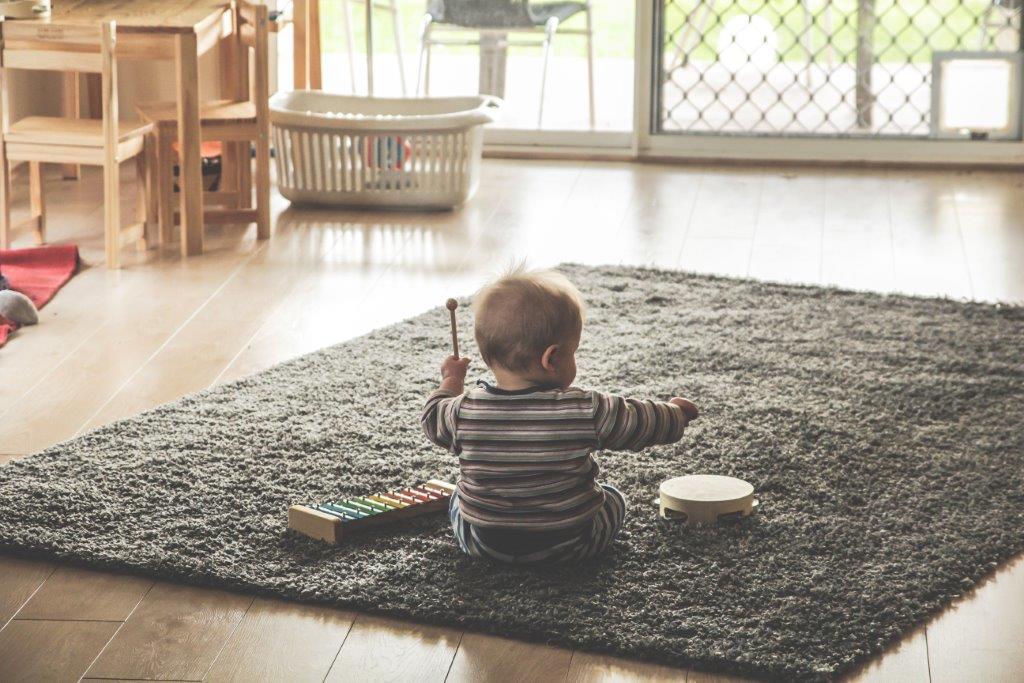
While furniture such as bookcases and TV units can be secured to the wall to lower the risk of it tipping over, it is still important to teach children that climbing on furniture or engaging in any other behaviour that is not allowed can be potentially harmful to them. Children need to understand that even though you are not around to reprimand them for it, the rules are there to keep them safe from harm and should therefore not be broken.
ALSO READ: Farmers warned to stay vigilant during the festive season

Know their food allergies
If any children in the home are allergic to any food group, they need to understand the dangers of how it can affect them. Mark “unsafe” food with a certain sticker to alert the child to steer clear. Also, they should know to accept food only from those who are aware of their food allergies, such as a parent, teacher or nanny.
ALSO READ: Graduates celebrate a new era in conservation

Keep medicine out of reach
Though you ought to teach your children not to touch any medication when you’re not around, it is best to store all medication in a lockable cabinet that is not within reach of the children. If there are certain medications that the child needs, it is better to leave out the prescribed amount and a note to remind the child to take it at the right time.
ALSO READ: Barberton Secondary’s aspirant doctors get a behind-the-scenes look
Locking a deadbolt and external doors
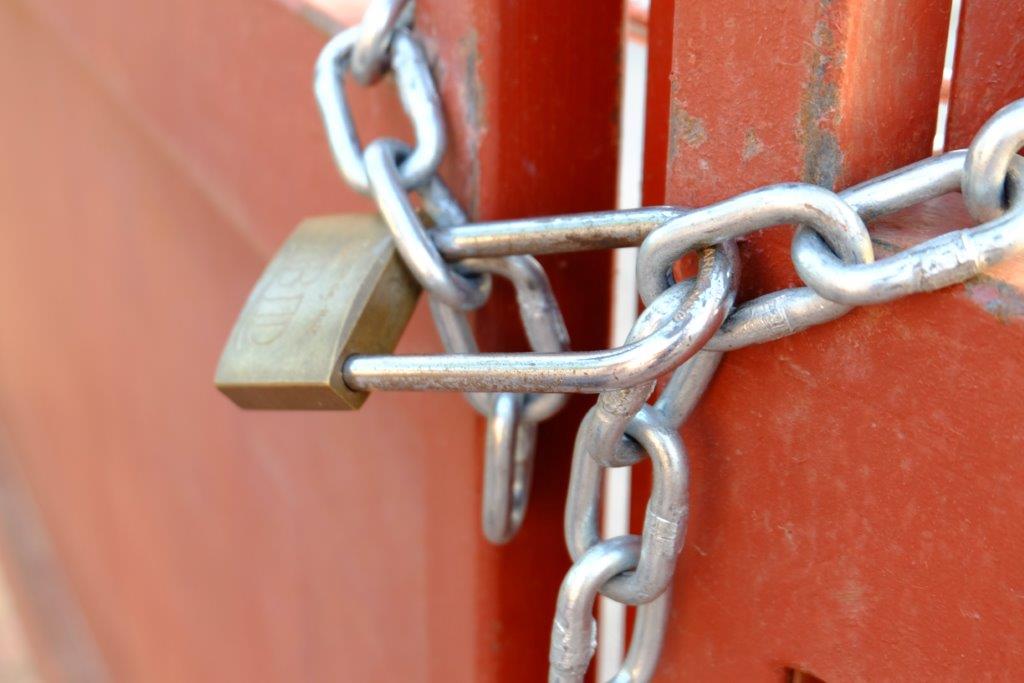
Children should know how to lock and unlock a deadbolt (or whatever other locking mechanism you have installed). It is important that they understand how the lock works so they can unlock the door in case they need to get out of the house during an emergency. They also need to know that all external-facing doors should be locked at all times to keep them safe. It is good for them to get into the habit of locking the front and back doors, even when people are home. If the doorbell rings, children should alert an adult rather than answering it themselves.
ALSO READ: Top-Notch act at Montana diner
Arming and disarming the alarm
Apart from the fact that home buyers will pay a higher premium for a property if it has a state-of-the-art alarm system, installing one will also help keep your family safe. Once installed, you will need to teach your children how to arm and disarm the security system, as well as what to do should the alarm go off when they are home.
ALSO READ: A rich lifestyle experience
Following the household escape plan
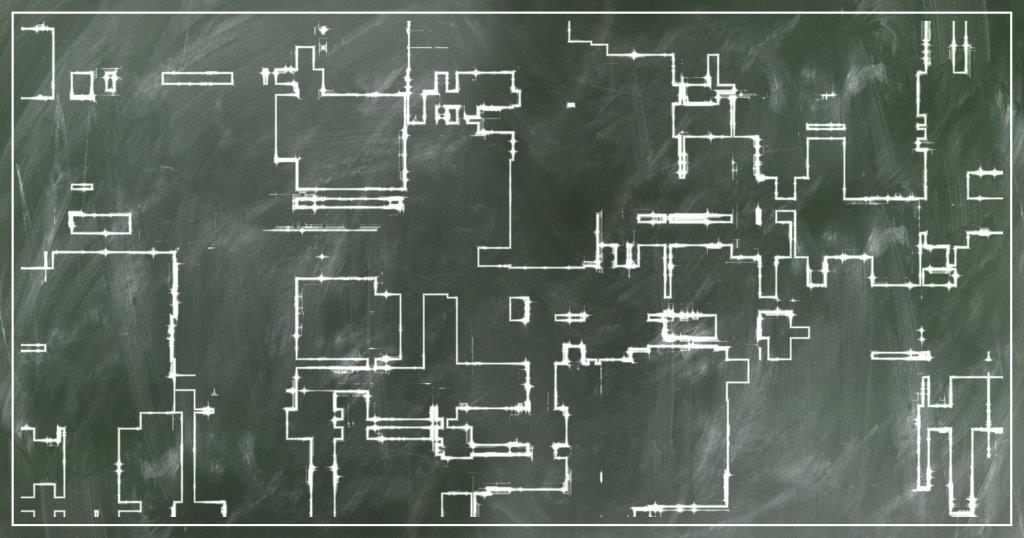
Though most homeowners fail to have one in place, it is important to have an escape plan for your home in case of a fire or any other emergency. To put this in place, an area of the home should be designated as the central meeting point, and each child should be walked through the safest route out of the home if an emergency should occur.
ALSO READ: Motorists to pay more at the pumps before the festive season

Who to contact in case of an emergency
A list of all emergency contact details should be put in an easy-to-access location such as the fridge door. At a minimum, the list ought to include the number of the local police station, fire department, paramedics, the family doctor, each parent’s contact details and a trusted friend or family member. Ideally, all children in the home, regardless of age, should know how to use a telephone and ask for help.