
Another blow for rhino anti-poaching
The processing of forensic samples from rhino poaching crimes has apparently ground to a halt, with a major backlog of cases.
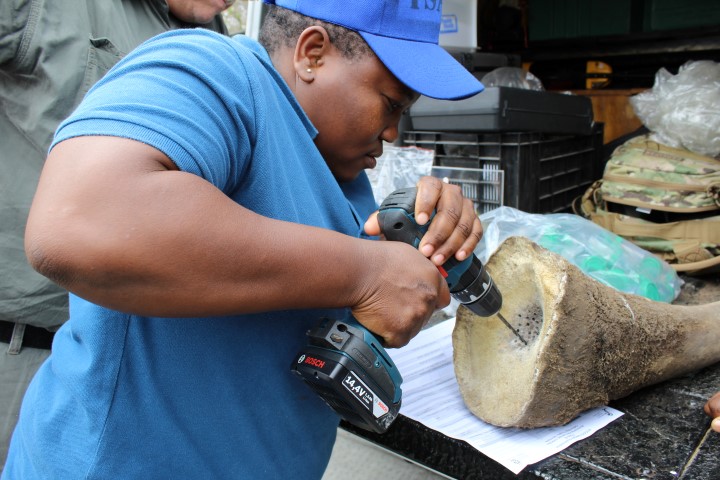
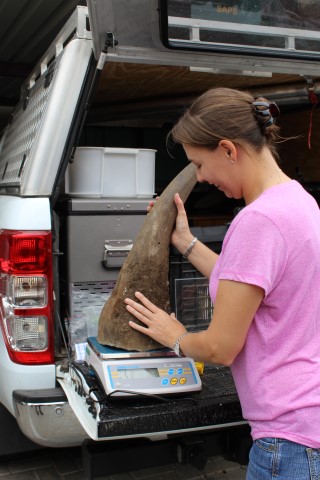
This follows after the contract with RhODIS was allegedly not renewed by the SAPS. RhODIS (Rhino DNA Index System) is a project initiated by the Veterinary Genetics Laboratory of the University of Pretoria in order to help with the plight of the rhinos.
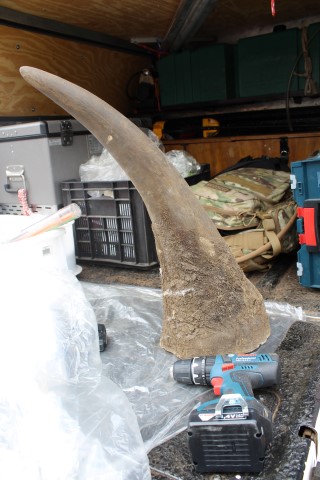
The laboratory collected DNA samples of rhinos across the country to create a database using the unique DNA profile of individual rhinos. The goal is for all rhinos to be on the system to deter poachers and assist in forensic prosecutions.
ALSO READ: Poachers take rhino battle from bush to courtroom
RhODIS was first used in a rhino poaching case in 2010 and resulted in a Vietnamese citizen being sentenced to 10 years’ imprisonment for having horns from poached rhinos in his baggage when he was apprehended at OR Tambo International Airport.
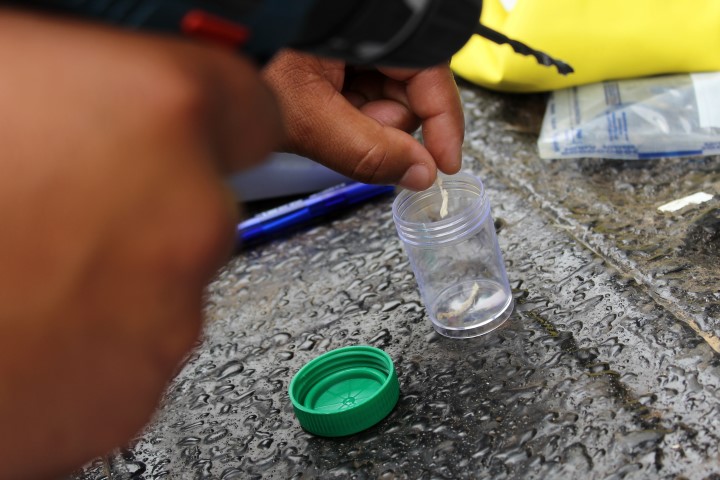
SANParks has partnered with RhODIS since 2010 and, in association with the Forensics Science Laboratory of the SAPS, has played a key role in the development and implementation of the RhODIS kit for sample collection.
In 2017 the police suddenly issued a tender for the DNA contract, stating that all cases must first go to all investigators, who in turn must first take their samples to the forensic science lab in Silverton, and then depending on the cases, it would go back to RhODIS.
ALSO READ: Suspended top rangers back at KNP
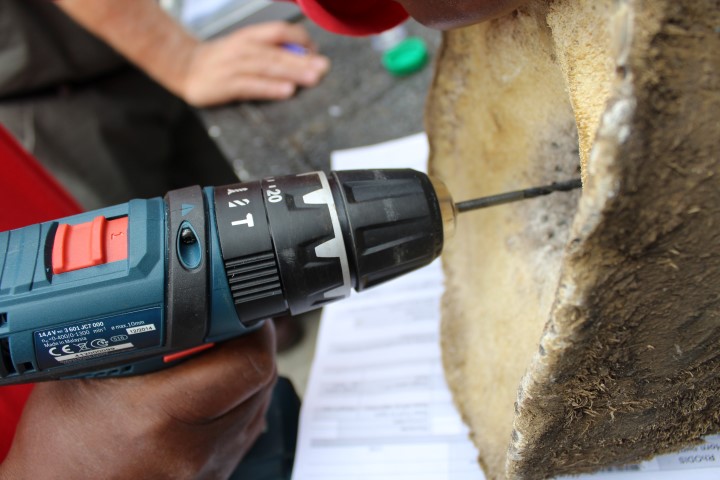
This tender took almost six months to be awarded, and was given to RhODIS, which had been handling the cases beforehand in any case. This already created a backlog. The two-year contract for rhino DNA and stock theft expired in July, and has not been renewed.
This means that since July no poaching cases’ DNA have been processed or analysed, hampering the finalisation of these cases. “There are some issues with SAPS not renewing the contract for the rhinoceros forensic samples with RhODIS and some uncertainty surrounding this,” Dr Cindy Harper, Veterinary Genetics Laboratory, confirmed to Lowvelder.
ALSO READ: Rhino warriors honoured for their bravery
RhODIS contains more than 20 000 rhino samples from live rhinos, stockpiled horns and forensic cases.
“In the past, the SAPS Forensics Science Laboratory in Silverton brought the rhino horn straight to us,” said Harper.
A source close to the matter confirmed that the processing of forensic cases at poaching scenes has also been affected and that the police stopped using the RhODIS kits as early as 2017. The police apparently developed their own processing kits, but according to the source, these kits have now run out.
At the time of going to press, Brig Vish Naidoo, SAPS national commissioner spokesman, told Lowvelder that the programme was centralised to provinces and that he would follow up on the media query.