Drop in Mpumalanga water levels continues
The drop in water levels continues in the listed dams and catchment areas of the Mpumalanga Province.
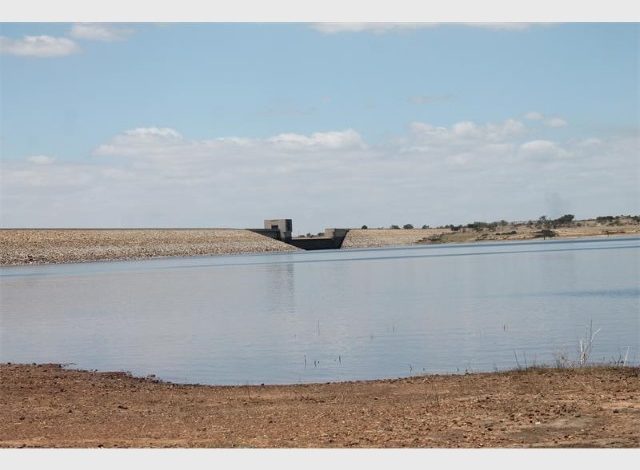
According to the latest Department of Water and Sanitation (DWS) weekly state of reservoirs report of 24 August 2020, water levels in the listed dams in the Province recorded an average 0.6% decline from last week’s 69.8% to 68.2%.
This simply means there’s currently 1757.6 cubic meters of water in storage out of the required full capacity of 2538.6, but it is still better than the 66.4% recorded at the same time last year. Water levels in the catchment areas also recorded a decline in line with the drop in the listed dams.
The Olifants water management area (WMA) dropped from 64.8% to 64.3% and the Inkomati-Usuthu WMA dropped from 66.7% to 66.1%.
The majority of the listed dams in the Mpumalanga Province recorded declines in water volumes, with Klipkopjes and Da Gama dams in Ehlanzeni District remaining unchanged. According to the report, Klipkopjes Dam remained unchanged at 12.4% and Da Gama Dam is unchanged at 53.7%.
ALSO READ: Lowvelders block off the streets to panic buy alcoholic beverages
Only two listed dams remain above 90% in the Province, even though they also recorded drops in water volumes. Witbank Dam dropped from 96.6% to 96.4% and Loskop Dam dropped from last week’s 99.7% to 99.1%.
Both dams are in the Olifants catchment in the Nkangala District. With the water levels continuing to drop, the Department of Water and Sanitation encourages the public to be responsible, more conservative and prevent unnecessary loss of precious water as South Africa is a dry and water scarce country where every drop counts.
ALSO READ: Rewards of Patience reaped
The country experiences major water losses through pipe bursts and leakages, therefore municipalities must prioritize maintenance and ensure a quick turn-around in fixing leakages and pipe bursts to prevent the loss of precious water.
As much as it is the responsibility of the relevant authorities to fix and maintain bulk infrastructure, it is each and everyone’s responsibility to fix leakages and save water in the household.