Kruger’s latest helicopter pilot shares his journey
From piloting for the crew of Top Gear to flying in places like South Sudan, David Simelane tells Lowvelder what led him to the Kruger National Park.
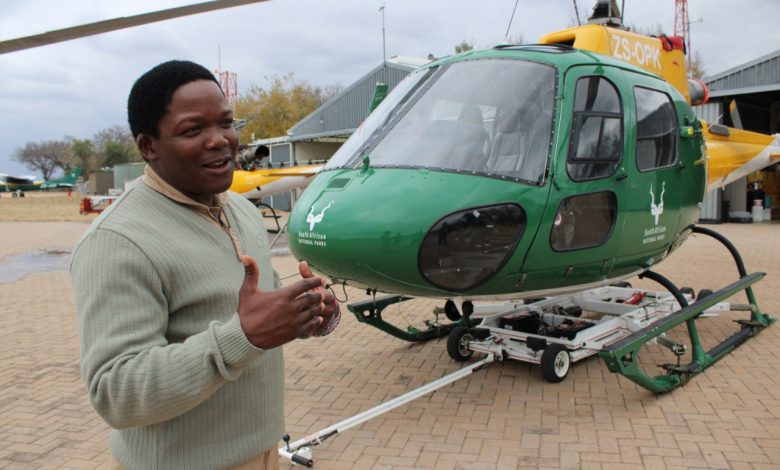
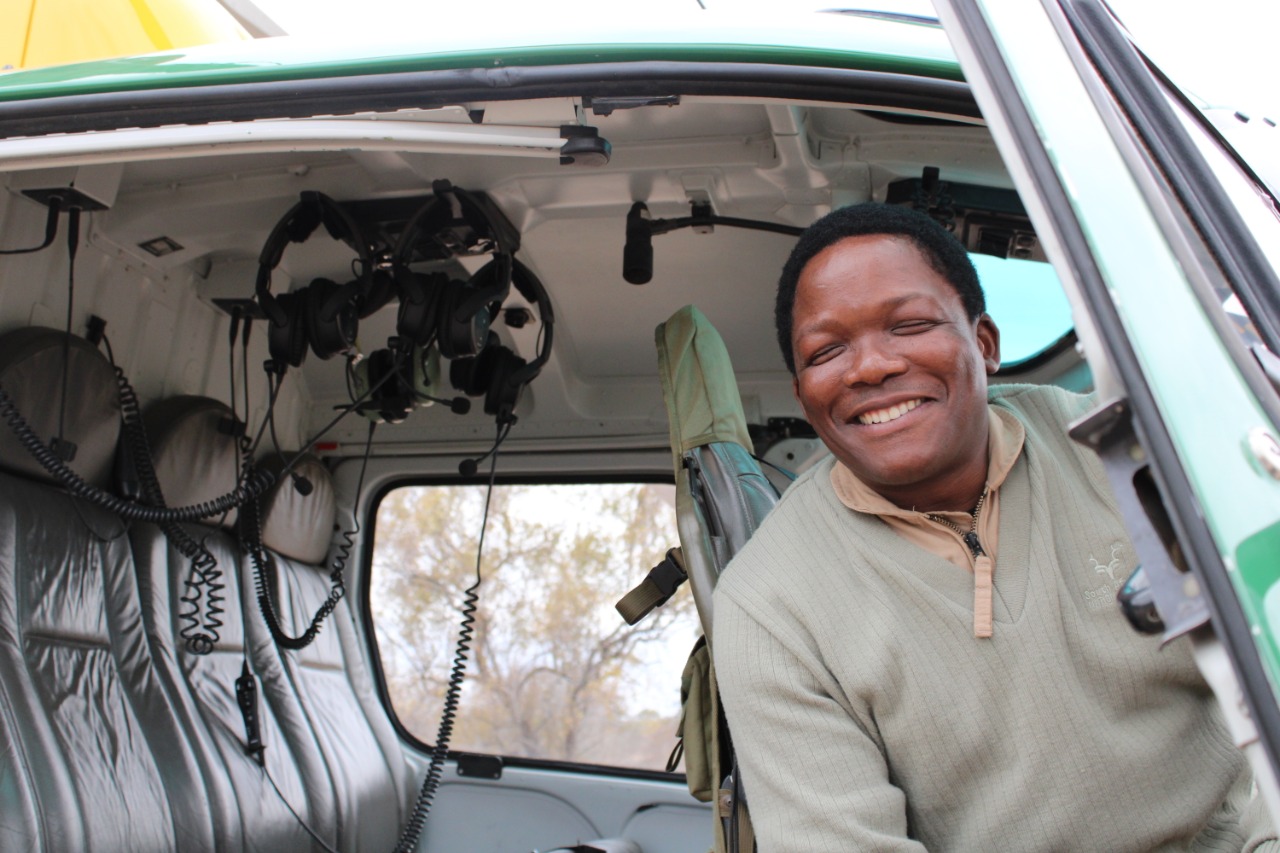
With a long history in aviation, Barberton-born David Simelane (39) has been where he feels the most at home for the last two months, the Kruger National Park.
There was an elated atmosphere at Skukuza’s helicopter hangar as the army had just done a fly-by. Simelane, the Kruger’s first black helicopter pilot, started explaining the winding path that brought him to this exact moment.
“My very first bite into aviation was when my father took us to America to go and complete his master’s degree.
“I realised that that was something that I wanted to achieve, to become a pilot, but as I was growing up the dream just dwindled because of a lack of exposure.”
He spent most of his teen years in Swaziland where his father was a lecturer. Although a qualified teacher, his mother, was a “home engineer” at the time.
ALSO READ: Meet some of the Kruger Park’s phenomenal women
“Not knowing what I was going to do, I eventually got into IT.” After high school, this led him to a small architectural firm in Pretoria.
One of the directors there had gotten his private helicopter pilot licence and was looking for someone to be a passenger.
“Being naive at the time and not knowing that everybody had passed up on the opportunity of being his first passenger, I said yes, definitely, and we got into this small Robinson R22 helicopter.”
Simelane was 19 at the time. His family had just returned to South Africa from Swaziland. From that moment the real journey began.
Realising that becoming a helicopter pilot required a large sum of money, funding was needed.
“We found TETA (Transport Education Training Authority) that had turned us down a couple of times. The company had provided funding before, but for fixed-wing pilots, that is why they turned us down. With the business plan we gave them, they realised later that we have a deficiency of black pilots in South Africa.
ALSO READ: Three suspects arrested after attempted hijacking and shooting in Heidel Valley
“They were able to find five black pilots and in 2006 I eventually became a helicopter pilot.”
From here there were various business ventures taking him from places like Conakry (Guinea) to South Sudan to Antarctica. As part of a small charter company, Ultimate HELI, in March 2011 he even piloted a helicopter for the crew of Top Gear – Jeremy Clarkson, Richard Hammond and James May.
“To this day I have an autographed T-shirt from them saying: ‘To David, the best pilot… in the world’.” He joked and said it is was his most-prized possession. “On top of my kids by the way.”
It is from the time in Antarctica, though, that the local connection came back into play. There, Ultimate HELI collaborated with the South African Department of Environmental Affairs.
Having reached an intellectual ceiling with the company, it was time to move on. In February/March of this year, there was an opportunity to join SANParks.
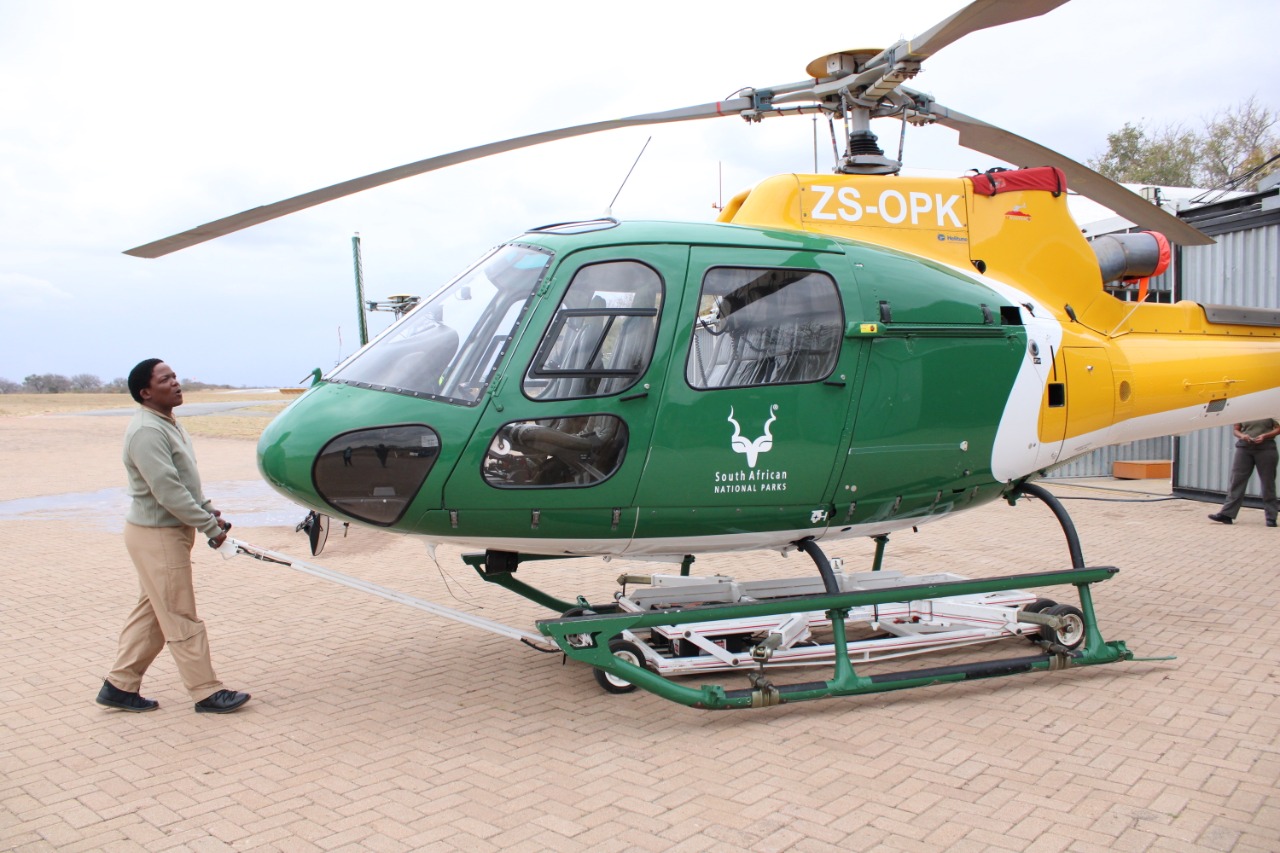
“My love has always been flying in nature, doing what I am naturally gifted at and that was flying well, flying in the open spaces and being given the opportunity here I grabbed it with both hands.”
ALSO READ: UPDATE: Respected conservationist dies after lion attack
Fast forward to present day, he said he has absolutely no mover’s remorse. As part of KNP’s airwing team, he wakes up in the morning and it does not even feel like he is going to work. That is just how much he enjoys the job and appreciates the people he works with.
Aside from the hours of flying experience required, he says the type of person is equally as important. “I think you get a pilot and then you get a pilot for a particular environment. To encompass all of those requirements… the experience on the type of helicopter, the game experience, the exposure, the ability to handle a helicopter with the agility that it can handle, and then just being an all-round people person.
“You deal with ground staff, game capturing staff and the game itself; all the different facets of SANParks. It takes a special person.”
In this position, Simelane sees providing aviation exposure to the underprivileged as part of the job. “My sole responsibility is to expose as many under- privileged people to aviation as much as possible.
“I’m grateful. In the private sector it doesn’t happen as much, and now that I’ve joined the public sector, paired with the experience that I have in the private sector, it gives me a holistic approach to how to expose people to this sometimes secluded industry.”