IN PHOTOS: A look inside Mpumalanga’s zoo
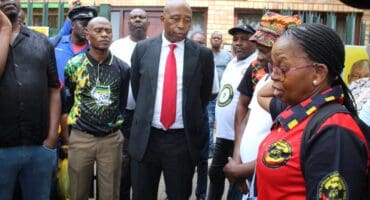
The owners of Pumbaa Wildlife Park invited the media and other concerned parties to a tour of the premises on Monday.
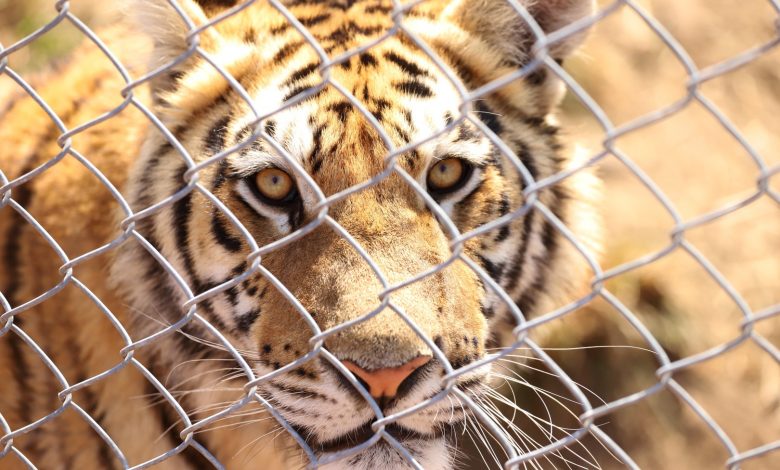
Following the backlash of incredulity had received over the past couple of days, owners Hennie and Melanie Maritz invited the media and other concerned parties to a tour of the premises on Monday.

Joining the tour was attorney Mandla Macbeth Ncongwane, who represents the zoo and its owner. “The aim was to finally lay the rumours of breeding and trading, animal neglect, and the lack sufficient space and permits, to rest,” the owners said.
One of the leaders of the recent petition, #NoZooMpumalanga, is Liezl de Jongh. She was among those invited to join. However, only Lowvelder accepted the invitation. “I declined because it is against my beliefs to set foot in places such as these. I only visit or support reputable sanctuaries or rehabilitation centres,” De Jongh responded.
According to Oupa Pilane, president of the Kruger Lowveld Chamber of Business and Tourism (KLCBT), who was also invited, Macbeth only gave invitees about an hour’s notice.
The park boasts more than 100 animals, which include lions (brown and white), leopards, tigers (Bengal and Siberian), pumas, jaguars, wild dogs, hyenas (spotted, striped and brown), blue duikers, black-backed jackals, bat-eared foxes, an ocelot, African wild cats, caracals, servals, Cape foxes, small and large spotted genets, hedgehogs, fennec foxes, rock hyraxes, northern racoons, coati bears, red-rumped agoutis, a Geoffrey’s cat, banded, water and yellow mongooses, Pole cats, spotted eagles, lanner falcons, ostriches, porcupines, warthogs, springboks and blesboks.

Soon to join the park are brown and black bears, a honey badger and bird species like marabou storks, vultures and blue cranes. More animals are in the pipeline, but Maritz would not divulge more information before all the permits are in place and the construction of the enclosures is done.
On the 12,75-hectare premises, enclosures range from 36 square metres for smaller animals, to 1 600 square metres for the biggest. Animals enjoy daily favourite meals, ranging from venison to chicken and the occasional bones.
For the animals that are currently on the premises, Maritz presented the original permits issued by the Mpumalanga Tourism and Parks Agency (MTPA). He also showed a permit to establish and operate a zoo, also issued by the MTPA on July 3. From information that could be gathered from the permits, the animals can be traced back to Gauteng, Limpopo, North West and the Free State.
The MTPA, however, raised some concerns. According to Kholofelo Nkambule, spokesperson for the MTPA, there is currently an investigation into the introduction of game on the farm without a permit before the application was processed and finalised by the MTPA.

The National Prosecuting Authority’s Monica Nyuswa confirmed that it had received a docket for decision. “The prosecutor, Ansie Venter, will decide on the matter after studying the docket,” she said.
Melanie again reiterated that these animals were all born in captivity and never new freedom. “Some of them arrived at Pumbaa malnourished and in a terrible state. Their conditions have improved tremendously since their arrival,” she said.
“We were forced to take in some of these animals as it was a matter of life or death,” Melanie said. Those animals which did not make it, or will die in future, will be cremated and their ashes placed in a memorial wall accompanied by plaques. “When I die, I also want my ashes to be placed there – right next to my animals,” Hennie said.

The permit to operate the zoo forbids the park and its owners to trade in and breed with these animals and specifically prohibits the release of these captive animals to free-roaming systems in Mpumalanga. It remains Hennie’s responsibility to apply for all transport and import permits. The permit is valid for three years. 
To prevent breeding, Dr Jaco Coetzee of Van Wijk Street Animal Hospital regularly visits the park to neuter the animals. Usually this is done by means of emasculation (males), with the exception of lions which need to be spayed (female).
This is done in such a way, to prevent males from losing their mane when castrated. Coetzee visited the park on Monday to operate on a puma. This leaves only one leopard, one Siberian tiger and some wild dogs yet to be neutered. Hennie further explained that castration is only required where animals of different genders share an enclosure. The owners maintained that the animals are kept for educational purposes, and that it will not be open for the public just yet.
ALSO READ: Eienaar sê wildpark buite Mbombela is vir ‘n goeie doel
Some of the issues raised by the community include the maintenance of the animals and how it will be done without breeding or trading in animals. “With the plans we wish to implement before our opening at the end of January 2021, the zoo will financially be able to operate for 40 years without breeding or trading. It has never been the plan,” said Hennie. Plans include a restaurant and accommodation.
Those against the zoo said the small percentage of people who will support the zoo will not be sufficient to keep it going. A Facebook post recently surfaced, stating that “Macbeth is looking forward to partner with Oupa Pilane to maximise educational and experiential trips plus creating job opportunities”.
To that, Pilane made it clear in a statement that the partnership Macbeth is referring to, has nothing to do with him (Pilane) in his personal capacity, but as the president of KLCBT. “KLCBT is a non-racial, member-based organisation that has procedures in dealing with businesses that are applying for membership. I am confident that KLCBT will process any application on its own merit and fairness, should such application be brought to the organisation. I hope that an amicable solution will be found without putting my name in the middle of the dialogue about this park as I have nothing to do with it,” he said.
“In my personal capacity I will never support caged animals. I myself have been caged during lockdown, not being able to see my family,” Pilane said.