SANParks warns of potential harmful algal bloom in lower Olifants River
Recent satellite observations suggest the rapid build-up of a potential harmful algal bloom in this river.
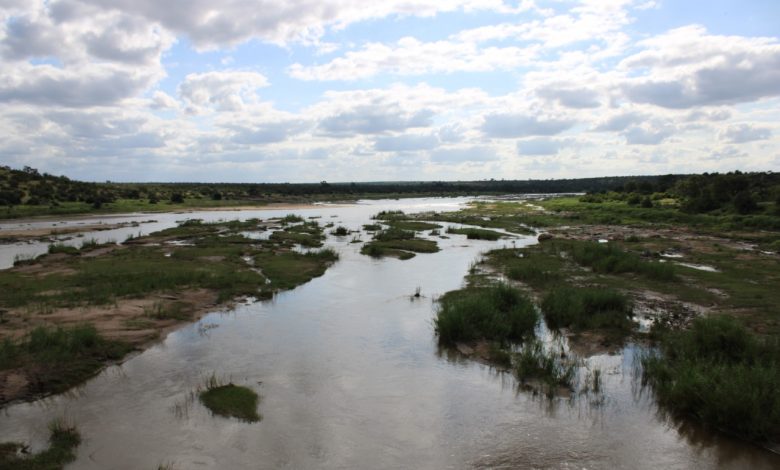
SANParks scientists studying the Olifants River within the Kruger National Park (KNP), part of the Great Limpopo Transfrontier Park, have been monitoring water quality effects on the health of the aquatic ecosystem.
Recent satellite observations suggest the rapid build-up of a potential harmful algal bloom in the lower Olifants River, as it flows through a deep gorge with a large Nile crocodile population, before it enters the large Massingir Dam in Mozambique.
ALSO READ: Call for nominations for boards of weather service, SANParks and biodiversity institute extended
The scientists have embarked on a detailed monitoring programme to assess the impact of this algal bloom on the crocodile population and the aquatic ecosystem more broadly.
These conditions have arisen due to a combination of several factors, including
• very high lake levels in the Massingir Dam following the good summer rain,
• increased water clarity allowing monocellular algae to access sunlight and build up large biomass,
• high nutrient inputs (pollution) from upstream catchment areas,
• and the warm early winter temperatures experienced that increase surface water temperature.
SANParks is also keeping park and catchment management partners informed in South Africa and Mozambique, and through this collaboration intends to mitigate negative impact on the health of the ecosystem of the Olifants River and those that depend on its resources downstream.
The head of conservation and area integrity management in the KNP, Danie Pienaar, said, “We have learned valuable scientific lessons about the mechanisms giving rise to pansteatitis outbreaks and the impact on the park’s crocodile population, following the outbreak of this disease in 2008/9.
ALSO READ: Management for Makhonjwa Mountains discussed
“This time we are at least forewarned and will do proactive monitoring and research to track the situation together with our Mozambican colleagues.”