Four more missing crocodiles captured
Four of the 90 crocodiles that escaped in Kiepersol in January have been retrieved and relocated.
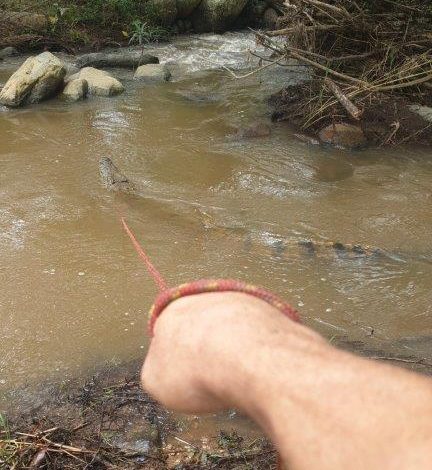
Around 150 crocodiles in total escaped from their enclosure on Nola Farms, a division of Hamilton Farm near Kiepersol, after the wall of an enclosure had broken due to the flooding.
Around 60 of them were immediately recovered and around 90 were still at large at the beginning of March. The Mpumalanga Tourism and Parks Agency (MTPA) have moved its search more downstream from the original dam.
“Due to numerous complaints and reports of sightings in surrounding farm dams, our team has put more focus downstream from where the crocodiles initially escaped,” said MTPA’s spokesperson, Kholofelo Nkambule.
Crocodiles were reportedly seen in farm dams in the Kiepersol area.
“Temperatures are changing now and the crocs are more reluctant to feed on the bait in the capture cages,” Nkambule said. “Our team will, however, continue to attend to the complaints as they come through and monitor any developments that arise.”
The dam walls of Nola Farms gave way due to elevated dam levels brought on by the continual rain at the end of January.
ALSO READ: 90 crocodiles on the loose in our rivers
The matter was reported to MTPA officials by the farm owner, John Cowley, the same day.
The MTPA confirmed he had received a permit to capture and transport the crocodiles on February 5. About 90 escaped to the White Waters River that feeds Da Gama Dam.
Cowley added that he and his team on the farm tried everything in their power to prevent the dam from overflowing.
“We knew the storm was coming, so we pumped the dam for three days to prevent overflow. During the second rain after Cyclone Eloise, however, the walls of a dam on our neighbouring farm higher up on the stream broke and sent a flood down to our dam. The walls of our dam collapsed. At that point, there was nothing we could do to prevent the break.”
Sightings as far as six kilometres downstream in the North Sand River were reported to MTPA.
Cowley confirmed that the crocodiles were bred for the international crocodile meat and skin market. “It’s difficult to get hold of these breeding animals, so we probably won’t retake the breeding after this incident.”
Cowley has been breeding crocodiles for this purpose since 2005. The crocodiles that were caught have been relocated to his other farm in Middelburg, where they will remain.
Experts have been summoned to assess the infrastructure of the crocodile breeding facility’s dam. “At this stage, every indication points to possible legal action against the farm owners,” added Nkambule.