Looking back at the origins of the Onderberg: Chapter 1
Back by popular demand... This is the first in a series of editions on the history of our region, the Onderberg.
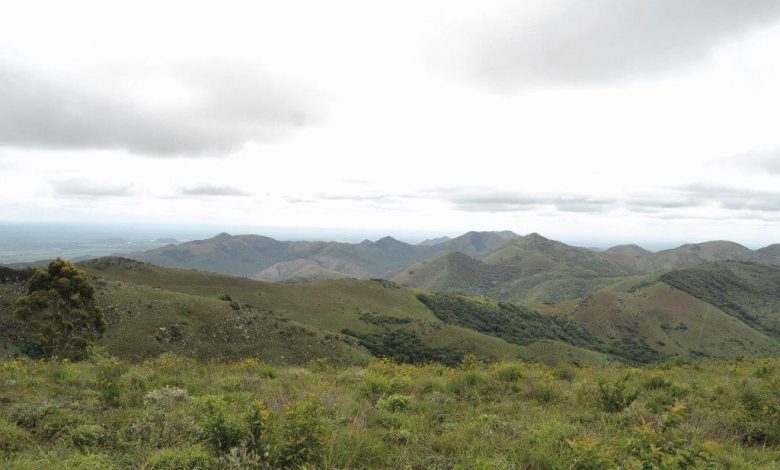
What is known as the Onderberg area also includes places like Louisville, Schoemansdal, Buffelspruit, KaMhlushwa, as well as Masibekela and KaMaqhekeza closer to the Kingdom of eSwatini border.
Note that this was published previously in this paper, though after numerous requests, we will do so again. The request was also to continue with the series from where it had ended, and to take the story further after the arrival of the first European settlers in these reaches.
To kick off this project, Corridor Gazette brings you a double-spread containing three of our previous chapters.
The most recent historical research and recording of the Onderberg is to be found in the book Historical Lowveld Across the Ages by the local historian Hans Bornman. Formerly published as Pioneers of the Lowveld, this is a revised publication that now focuses on the broader spectrum of all groups and individuals contributing to the past of this area.
There is an ancient red ochre mine situated six kilometres south of Malalane, known as Dumaneni. According to archaeologists, this mine is estimated to be between 28 500 and 46 000 years old, and is regarded as one of the oldest in the world.
Some 100 000 tonnes of red ochre were removed by hand during this period. An iron furnace and slag were also found near Dumaneni, but indications are that iron was only smelted on a small scale. The Swazi word for red ochre is “ludvumane” which means “power four times the sound of thunder”. The use of red ochre was believed to endow great power, and only chiefs and the most highly qualified priest-diviners were permitted to wear it, covering their whole bodies and hair with the powder mixed with animal fat.
Further indications are that the San also mined ochre in Dumaneni for centuries before the arrival of the first black nations. Hundreds of paintings have been found in rock shelters in the southern part of the Kruger National Park, near Legogote, Schagen, Karino and Rocky Drift near White River, as well as in the vicinity of Mbombela. The nearest ochre mine in the Southern Lowveld is Dumaneni, where the San probably obtained their colour pigments for the rock paintings.
ALSO READ: Picking up trash a community effort
A Karanga group (Belilanga-emalangeni) from Zimbabwe (Bokgalaka) also mined red ochre on Dumaneni some 2 000 years ago. It was taken to the coast where Hindus shipped it to the East.
These Indians were the world’s first ocean-faring nation and were known as the MaKomati, after whom the Komati River was named. These Hindu traders eventually settled near the Mozambican coast, and their old trading routes are still visible in some parts of the Lowveld.
During the reign of Sobhuza I (1815-1836), who laid the foundations of the Swazi nation, the people of what is now known as eSwatini were known by the Bapedi (Sotho) as “bakaSobhuza”, meaning “the people of Sobhuza”, or as the “Zulas”, and his country as “Baraputsaland”.
But it was Mswati II who succeeded in uniting the various clans, whether they were emaLangeni, Maseko, Shabalala or Maziya, into one nation and under one ruler. His people, therefore, began to be known as “bakaMswati”, meaning “the people of Mswati”, while among the whites, who had by then moved into the Transvaal, they were known as the Swazis and their land as eSwatini.
After succeeding his father in 1845, Mswati II (1845-1865) commenced a career of large-scale raids and adventure. He selected as his hunting ground the prosperous tribal lands of the various groups to the north of eSwatini.
He became rich, and his crack regiments, such as the Nyatsi and the Malalane, brought terror to African homes as far afield as Mozambique. Mswati was known for his cruelty and lust for murder, and this made his subjects and people near and far, tremble.
The foothills of the Drakensberg, westwards from Malalane and Low’s Creek to the Barberton Mountain Land, were occupied by emaMbayi. They were driven out of this area circa 1850 by the Swazi regiments. They fled north and occupied the area between the Crocodile and Sabie rivers.
Historical Lowveld Across the Ages is available at the tourism information offices of Kruger Lowveld Tourism, next to Mica at the Crossing Shopping Centre in Mbombela, at R350, and on 013 755 1988.
A cash arrangement can also be made to have the book delivered to the offices of Corridor Gazette in Air Street in Malalane.