
National Kidney Awareness Week
South Africa has one of the highest rates of end-stage kidney failure in the world, along with a very low rate of organ and tissue donations and transplants.
The lack of education in the medical field as well as the public at large, regarding the situation, is only making matters more difficult.
South Africa is the only African country that does transplants from deceased donors. It is unfortunate that not all can be assisted with end-stage kidney failure, and if you can be helped, the waiting period can be of 12 to 15 years for the specific O-blood group.
Fortunately this is not the only option, as living donors are becoming a life-saving alternative for patients who can find a matching donor. This can be either a family member (living-related donor), a friend (unrelated living donor) or a stranger (altruistic donor).
The living donor will go through extensive tests to ensure that they will be able to withstand the operation and be healthy enough to live with one kidney.
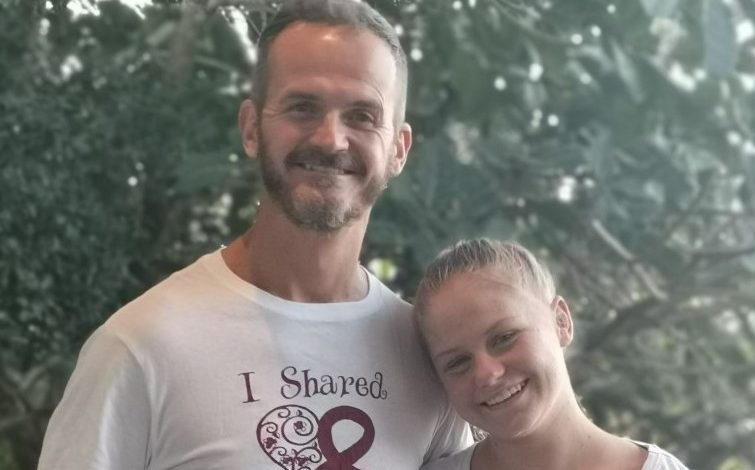
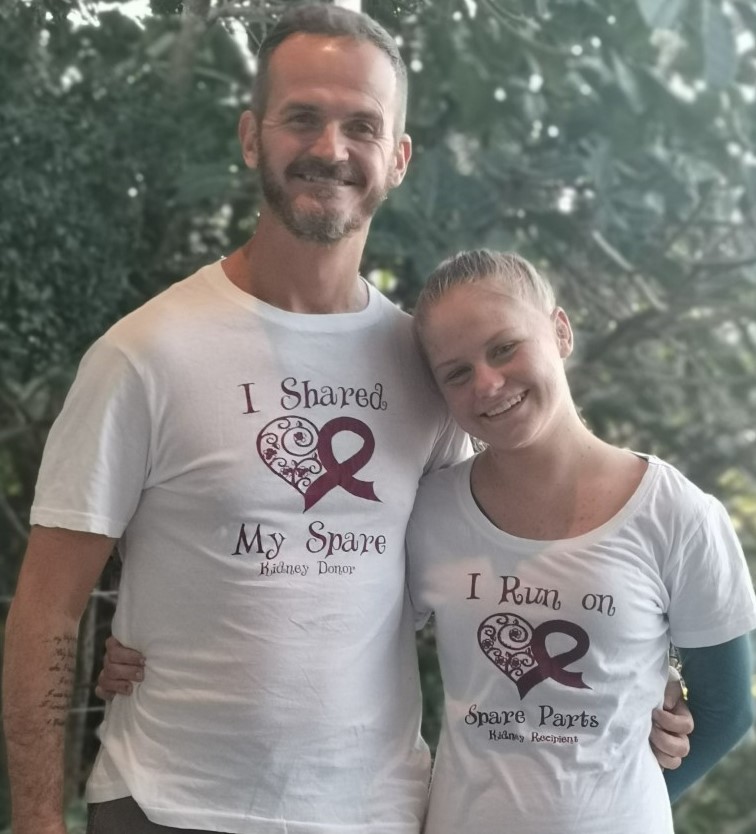
Paul Nel donated his kidney to his daughter, Tanya, in June this year.
ALSO READ: Elderly button up for Heritage Day
Tanya suffers from a rare genetic disease that caused her kidneys to fail at the age of 18.
Paul did not hesitate to go for the tests to see if he was able to match his daughter. The transplant was postponed twice, first due to Tanya’s access (fistula failing) and the second time due to Covid.
After the operation both Paul and Tanya are doing very well and Tanya can focus on her studies as well as spend time with her family and friends. Paul says that he did not anticipate the life-changing impact the transplant would have on not just the two of them, but the whole family.
The dialysis always made her tired and gave her bad headaches. As a family, all holidays and weekends away had to be carefully planned to ensure that there was a dialysis unit close by and also available slots to accommodate Tanya.
Eight golden rules for kidney health You don’t think about your kidneys and the work that they do until they don’t function anymore.
You can lose up to 90% of your kidney function before showing any signs or symptoms.
World Kidney Day, a global awareness campaign, has developed eight golden rules to follow to ensure you keep your precious kidneys healthy.
1. Monitor and control your blood pressure It is good practice to know what your blood pressure is as high blood pressure can damage your kidneys and cause chronic kidney disease which can progress to end-stage renal failure.
Normal blood pressure is 120/80. If your blood pressure is above this level when measured on two different days, consult your healthcare provider to discuss lifestyle and dietary changes that you need to make to control your blood pressure.
2. Control your blood sugar level Many people who are diabetic develop end-stage renal failure, therefore it is important to maintain your blood sugar levels and have your kidney function tested regularly. With early detection, the progression to end-stage renal failure from diabetes can be reduced or even prevented.
3. Get moving Some of the benefits of regular exercise are:
• maintaining your ideal body weight;
• reducing blood pressure;
• reducing the risk of developing kidney disease.
4. Eat a healthy diet and keep your weight stable The reason for eating a healthy diet is to prevent a lot of lifestyle-related diseases such as diabetes, heart disease and other chronic condition associated with chronic renal failure.
Thus keeping your weight in check put less stress on all your organs. Limit your salt intake to 5 to 6 grams a day (a teaspoon). Processed food contains a lot of salt, it is best to prepare your meal from fresh ingredients whenever possible.
5. Drink enough water Your kidneys will thank you for looking after them. Drinking enough water helps clear your system of excess minerals such as sodium, potassium and phosphates which can cause damage to your organs, and ultimately death.
The ideal amount of fluid you need to take will be influenced by how active you are, the climate you stay in, health conditions, pregnancy and breastfeeding. Consult your doctor on the appropriate fluid intake for your condition.
6. Don’t start to smoke and quit if you do Smoking causes less blood to reach your kidneys which in turn cause them to function improperly. As stated above, if your kidneys don’t function properly they cannot clear your body of excess minerals and toxins.
7. Avoid taking over-the-counter anti-inflammatory medication regularly. If you take over-the-counter, non-steroidal, anti-inflammatory medication regularly, you could be putting your health at risk of developing chronic kidney disease.
Consult your healthcare professional to manage your pain and protect your kidneys.
8. Get your kidney function checked regularly if you are in the high-risk group. You are considered to be at a high risk to develop chronic kidney disease if you have:
• diabetes;
• hypertension;
• a family history of kidney disease;
• are obese.
Unfortunately, there is no cure for chronic kidney disease, but it can be prevented and the progression to end-stage renal disease can be managed.
Make sure that you follow the eight golden rules to look after your kidneys. The beans (kidneys) in your body will thank you.
TELL is more than happy to answer any questions.
Please email stella.dekock@tell.org.za for more info or contact Stella de Kock on 0827852530
Find us on social media at the following links: Instagram: @tellorgza
Facebook: www.facebook.com/tellorgza/
Twitter: @tellorgza Website: www.tellorg.za