SPONSORED | Think of ways to protect our land
The Komati Basin Water Authority celebrates World Environment Day
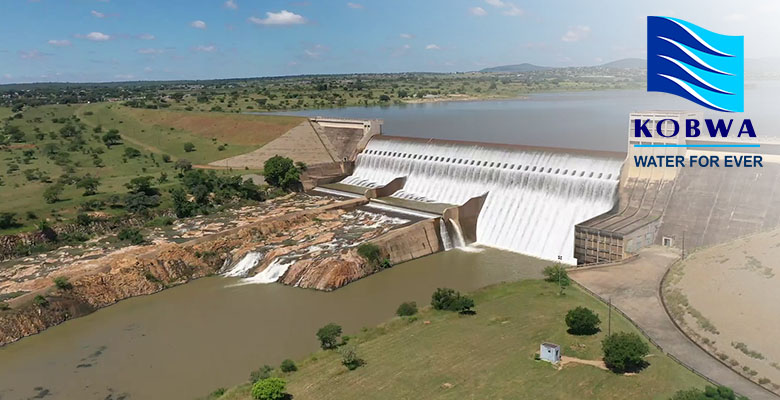
The Komati Basin Water Authority (KOBWA) joins the international community in commemorating World Environment Day under the theme #GenerationRestoration, and encourages everyone to think of ways and strategies that aim to protect our land, which is our future for generations to come.
The UN warns that about 40% of the Earth’s land is degraded, impacting half the population and endangering roughly half of the global economy. Droughts have increased by 29% since 2000, and without action, they could affect over 75% of the world’s population by 2050.
Trevor Shongwe, the CEO at KOBWA, indicates that in the last few months, the Kingdom of eSwatini and South Africa have experienced heat waves that are a result of the noted changes in our climatic conditions. He says this has had a negative effect on the amount of water stored in the KOBWA dams, as about 2% of the gross dams’ storage was lost through evaporation, and this negatively impacted the yield of the system.
On the other hand, the high river flows that were associated with the heavy rains over the last couple of years have indicated that climate change is here, and it is not going anywhere – unless we do something to protect our land and ecosystem.
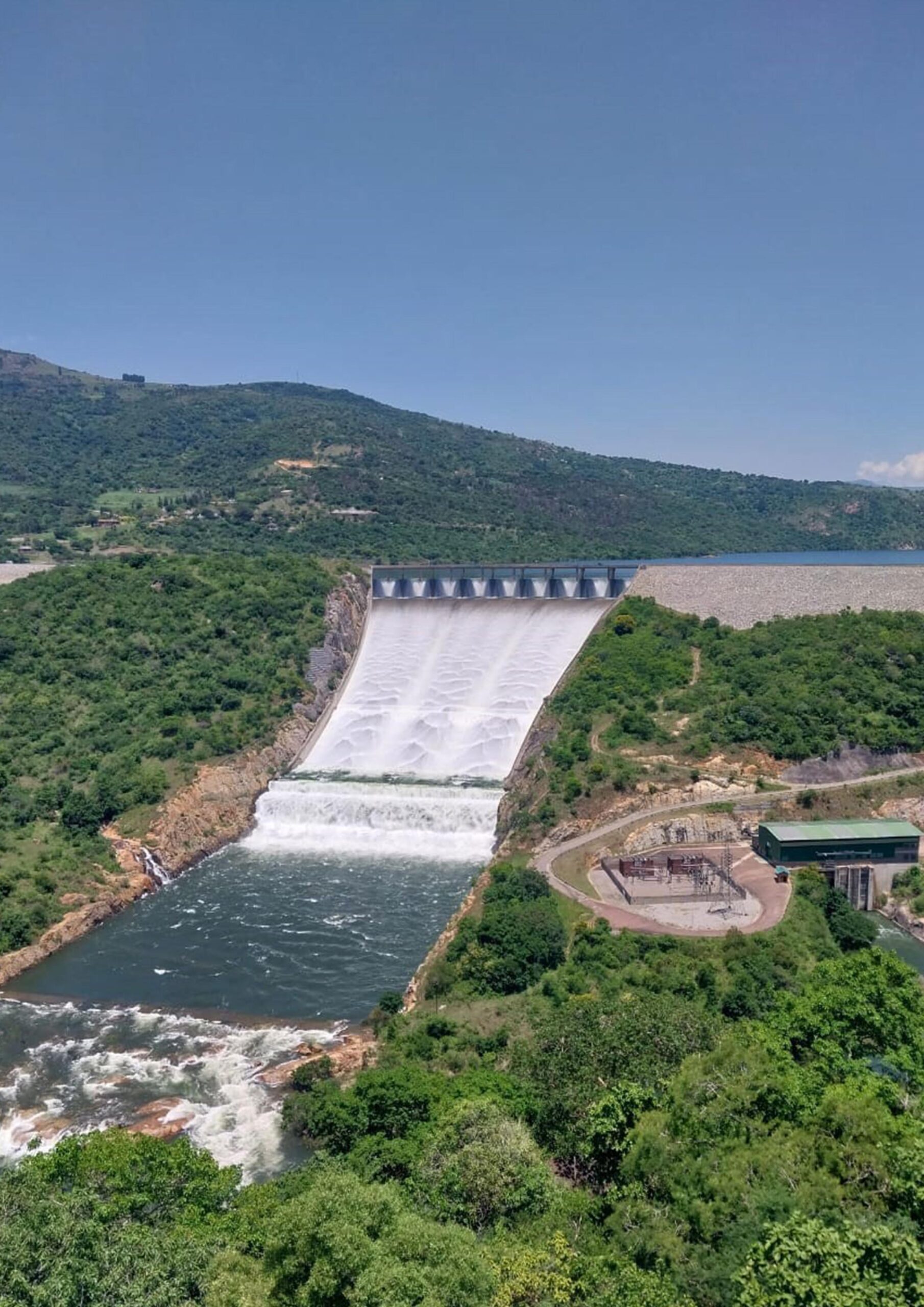
“These high flows resulted in uncontrolled water flows over the dams’ spillways and resulted in, serious destruction to downstream infrastructure and land degradation,” Shongwe said.
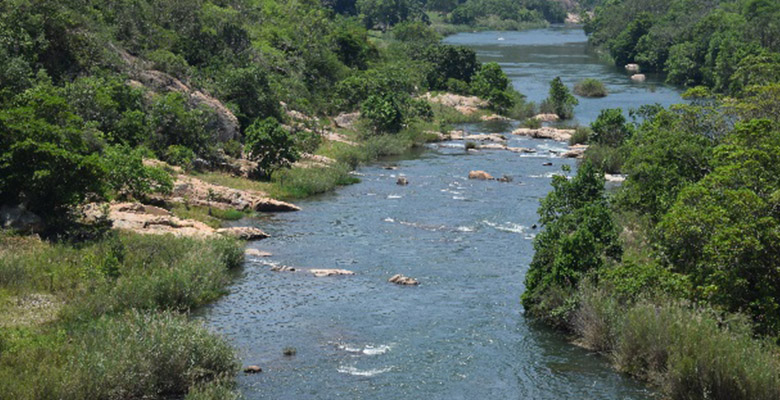
KOBWA partners with stakeholders in both South Africa and eSwatini in the celebration of events like Arbor Month in September to promote the planting of trees to encourage land restoration, which plays a critical role in ensuring biodiversity conservation and addressing climate change impact.
“It also has numerous benefits, such as improving soil fertility, increasing water retention and preventing land degradation. Furthermore, it helps in conserving biodiversity by providing habitat for plants, animals and microorganisms, thus supporting the ecosystem’s health overall. Therefore, as we celebrate this day, we need to look into ways of restoring our land, such as using more natural fertiliser and pest control and growing more diverse crops, including trees,” Shongwe said.
Over the years, KOBWA has observed an increase in unauthorised sand mining along her managed basin and around the KOBWA dam infrastructure, which perpetuates land degradation and desertification. If left uncontrolled, desertification can impact the population negatively, as farming becomes difficult or even impossible in such areas. It increases chances of flooding and results in poor quality of water, poverty and overpopulation in the remaining usable parcels of land.
Thus, to overcome desertification, Shongwe discouraged cutting trees and sand mining.
“KOBWA strongly discourages communities from unnecessary cutting of trees and practising uncontrolled sand mining along the basin, but instead urges communities to adopt different strategies such as water management (especially rainwater harvesting), reforestation and tree regeneration.”

The Komati Basin has experienced prolonged droughts that depleted groundwater aquifers, which are a source of livelihoods for many communities who rely on this resource for drinking water and water to sustain irrigated agriculture, which drives the economy of the basin. To mitigate the effects of these prolonged droughts, KOBWA always ensures that sufficient water is stored in the two dams, and deliver this water to the two member states to shield their multibillion-rand downstream agricultural investment for a least three successive years.
As we celebrate World Environment Day, KOBWA encourages all citizens to promote water conservation, which helps to make new water to be available for use.
Prof Ian Barker, an independent consultant and internationally recognised authority on water policy, governance, regulation and management, draws the attention to the relationship between land and water: “How we manage the land matters, because of the indivisible relationship between land and water.” He indicates that if we are to adapt to the effects of climate change and more frequent, more extreme droughts and floods, the answer is not just bigger infrastructure, but better land management to slow the flow, restore soil structure and enhance biodiversity. To do that effectively means joining up policy, legislation and action. And that is not currently happening – but is achievable with the will to make it happen.
“Let us work together to deliver more positive engagement between decision-makers, practitioners and the public,” Barker said.