Water-based solar plant radically changes farm near Malalane
Renald Radley, one of the owners, said load-shedding was the primary reason they decided to go solar, as it was a significant obstacle that created uncertainty and disrupted their daily farming activities.
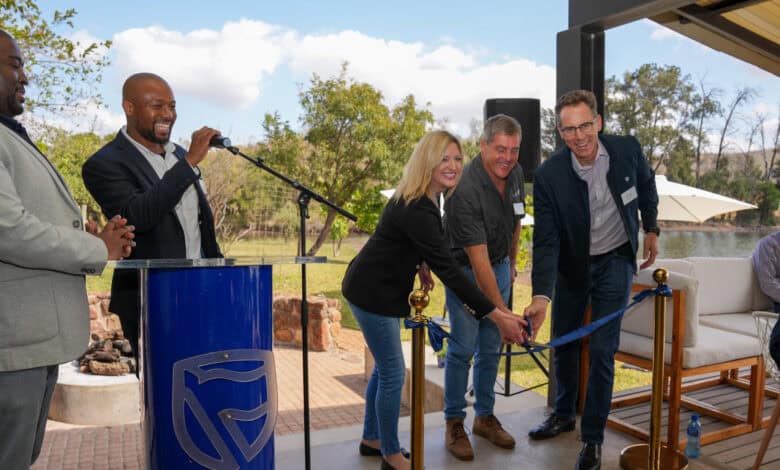
The Radley Landgoed’s water-based solar plant is the first of its kind in an innovative new energy era in SA’s agricultural sector.
Although load-shedding and significant power outages have not been a feature of South African life for a while, rapidly increasing electricity tariffs that far outstrip inflation and worries about future energy security are still causing sleepless nights for farmers.
ALSO READ: Malalane women take time out for wellness session
According to Magna Carta Reputation Management Consultants, however, for a family-owned farm about 3km from Malalane, the future is clearer thanks to their decision to keep production on track and reduce escalating energy costs, a move that has resulted in a sizable solar-powered solution. The solar plant at Radley Landgoed is unique because 80% of it, a massive 3 350m², is located on the surface of one of the estate’s largest irrigation dams. This makes the project Mpumalanga’s most significant agricultural power project and the only ‘water-borne’ plant in the region, and possibly in South Africa.
Recently switched on, power reaches vital parts of the farming operation through a 7km network of custom-built pylons.
“The project, financed in partnership with Standard Bank’s Business and Commercial Banking [BCB] division, which was completed in a year, can produce up to 1.8GWh of power and can take the estate, including the farm homesteads, support buildings and staff quarters entirely off grid when necessary,” said Yaseen Guman, Standard Bank’s head of business banking client coverage, Mpumalanga.
“Conservative estimates show that the project costs will be amortised in about 10 years, and the installation will have a lifespan of about 30 years. Savings began accruing the day the plant went operational, and will increase over time as energy costs increase annually. Perhaps more important to our clients is the fact that production losses and the costs of fuelling generators, which increased operating costs by a substantial amount each year, are now a thing of the past.”
Renald Radley, who, with his brothers Wilscott and Henno, is managing the farm that has been in the family for about 80 years, said load-shedding was the primary reason they decided to go solar with the estate’s 1 900ha of land. Farming operations, including 157ha of citrus orchards, 536ha of high sucrose-producing sugar cane, 34ha of mango orchards and a Nguni cattle stud of 105 breeding cows have been secured.
“Load-shedding was a significant obstacle that created uncertainty and disrupted our daily farming activities. Traditional power sources and outages impacted our ability to irrigate crops, power essential equipment and maintain productivity. Going solar with the support of Standard Bank has meant that this uncertainty and the losses that occurred when infrastructure had to be repaired, and power was lost for days at a time. Resetting and potential damage to automated systems have also faded into the background.”
The location of solar panels on the irrigation dam offers several advantages – no potentially productive land has had to be set aside for the solar array, and clean energy is generated while irrigation capacity is maintained at optimum levels. Other benefits include easy maintenance and the fact that the dam water provides cooling for the panels, and that workers conducting panel cleaning and repair operations have easy access through a series of walkways between rows of panels.
Guman said: “Arranging the finance for a water-borne solar plant was a first for Standard Bank’s BCB division and reflected our commitment to providing finance for sustainable solutions that encourage the acquisition of renewable energy projects. The Radley Landgoed project joined our recent involvement in a farm-based private hydroelectric plant in the Eastern Cape in the ‘firsts’ column of BCB’s growing book on the development of renewable energy projects.
ALSO READ: Kruger makes history with record number of arrivals through Skukuza Airport
Besides the direct advantages that the solar power installation brings to the farm, additional marketing benefits can accrue. Much of the produce grown on the farm is packed for export at the nearby Malelane Citrus Co-operative.
“Because much of Radley Landgoed’s output could benefit from the carbon credits offered by the EU for produce grown with green energy, better prices and increased sales volumes could be achieved. This is good news for a community that relies on agriculture for much of its income and employment,” said Guman.
He said the Radley Landgoed project, like many others undertaken in the agricultural sector, reflects their approach of investing in partnerships that are key to growth, are financially inclusive, support supply chain efficiency and minimise food wastage by addressing deficiencies in the energy grid.