Lebombo Border: Solutions unveiled for truck traffic chaos
A meeting brought together stakeholders to tackle pressing logistics issues and foster collaborative solutions.
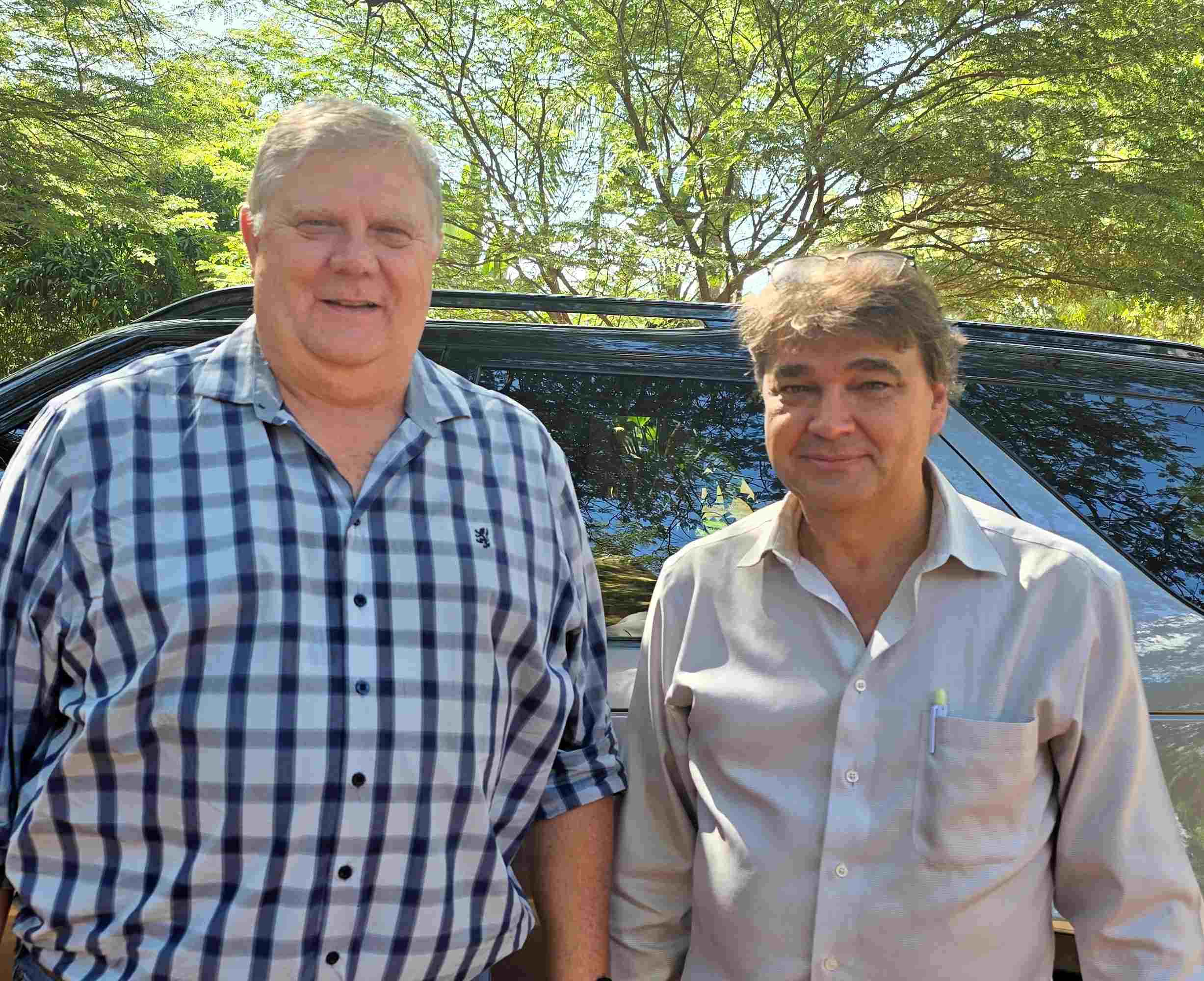
The Komatipoort Business Chamber recently hosted Alex van Niekerk, the CEO of TRAC, and Gerhard Marais, a member of the National Logistics Crisis Committee (NLCC) Workstream 2 (road transport and border transit), to engage with the community around solutions regarding the flow of trucks to and from Mozambique at the Lebombo Border.
The meeting on March 26 was well attended by various stakeholders impacted by the ongoing traffic challenges.
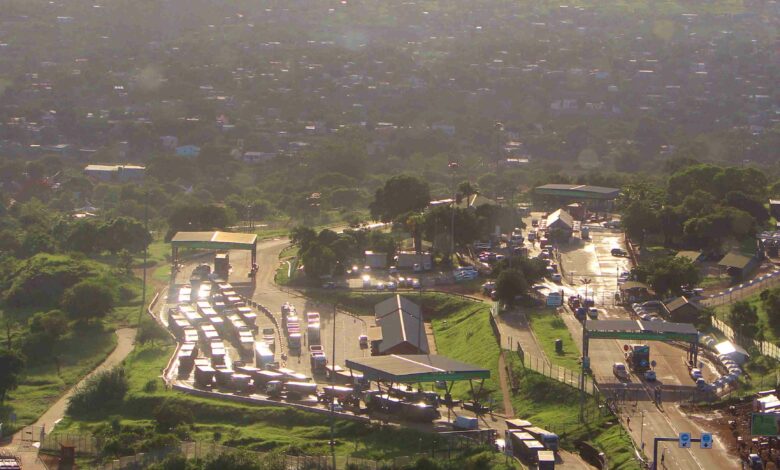
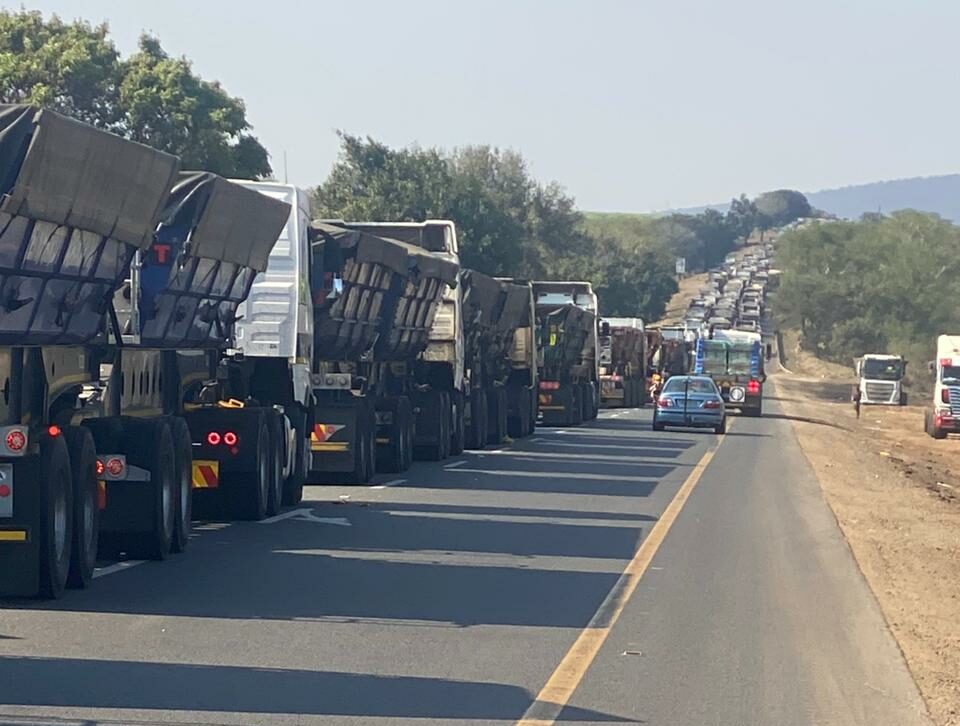
The flow of traffic on the N4, particularly from Hectorspruit to Komatipoort and through the Lebombo Border Post, remains a concern.
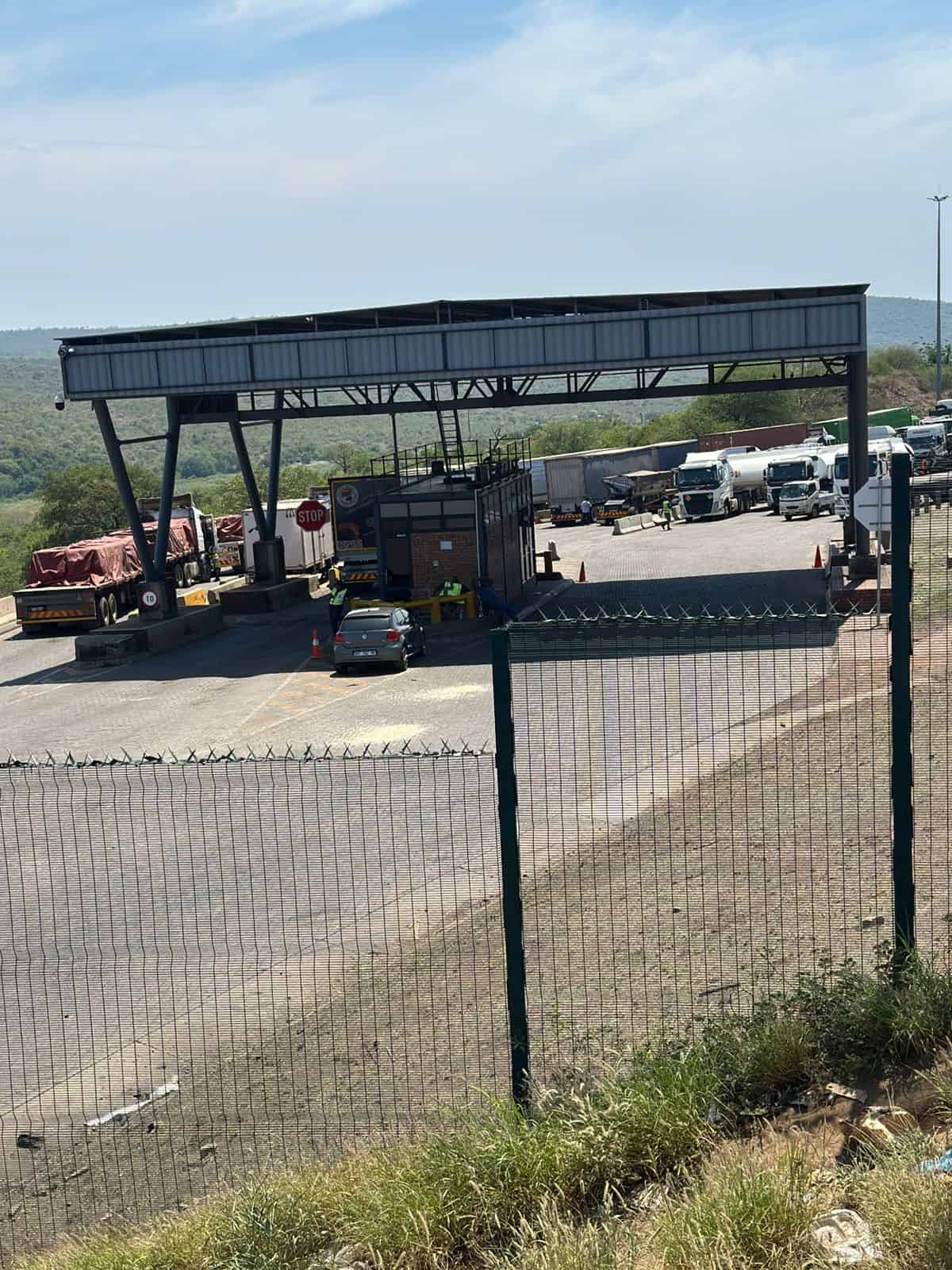
The absence of a dedicated holding facility impedes proper holding, administration and sequencing of vehicles, resulting in queues extending up to 27km towards Hectorspruit on some days.
ALSO READ: Case against Lebombo Border Post cop and two others withdrawn
This situation is exacerbated by frustration among truck drivers and inconsistent law enforcement. Furthermore, the Coopersdal and Strydomblok roads are severely deteriorated, primarily due to trucks carrying heavy minerals using the road that is not capable of handling such heavy traffic.
At the border post itself, general cargo often congests the space, creating a bottleneck that hinders the movement of all vehicles.
The challenge is complex and finding solutions will require the collaboration of a variety of stakeholders, including multi-departmental, bilateral, and SADC role players who have been working on the issues since 2023.
This effort was prompted by a significant surge in volumes when coal prices increased following the onset of the Russian/Ukraine war. The inability of the Richards Bay Port to manage the increased volumes, combined with a lack of capacity for the transport of additional minerals on the rail network, has further intensified the issue.
However, significant improvements have already been made. The NLCC, a partnership between business and government, has been fervently addressing the issues and regularly reports back to the Presidency.
ALSO READ: Truck drivers brace unbearable conditions on the N4 towards the Lebombo Border Post
Marais and his team, in collaboration with various governmental and non-governmental stakeholders, continuously monitor the situation and propose solutions, adaptations and procedures to improve traffic flow on the country’s major roads. In this instance, collaborators include the Komatipoort Chamber of Commerce, the Komatipoort Community Policing Forum, the Onderberg Farmers Association, the Kruger Lowveld Chamber of Business and Tourism, and Mpumalanga Agri.
TRAC plays a pivotal role in N4 safety, maintenance and flow management. The chamber (then NECCTA) first engaged with TRAC on this matter in July 2013, followed by a meeting with Van Niekerk and home affairs (which later transitioned to the Border Management Authority – BMA) in September 2021. At that meeting, Van Niekerk first outlined the solution presented on March 26, which is now moving from concept to implementation.
Van Niekerk explained that due to extensive road maintenance required on the N4 at Crocodile Gorge and, crucially, from Hectorspruit to Komatipoort, TRAC cannot sustain queuing along the N4. Therefore, a dedicated holding facility is urgently needed. The proposed solution involves accommodating all cargo and mineral trucks at a holding facility located at Kilometer 7. Customs and excise processes could be conducted using temporary access and egress roads prepared by TRAC.

TRAC will cover all the expenses related to accommodating the trucks and maintaining the facility. All trucks will enter and exit through designated entrances, with no exceptions. From the border or Mananga, trucks will proceed to the dry port area, entering through the existing entrance before continuing to their destinations.
This plan was welcomed by the attendees, with the emphasis on the need for compliance by all fleet owners, even those with private facilities. It was proposed that consideration should be given to linking the private facilities to the holding area to ensure compliance and to prevent additional trucks travelling through the town.
The attendees also expressed strong concerns regarding the condition of the Strydomblok and Coopersdal roads, requesting a ban of heavy vehicles carrying minerals on these routes.
Marais confirmed the committee’s support for TRAC’s proposal. He also shared encouraging details about the many projects under way under the NLCC umbrella, including digitisation of border processes on both sides of the border, compliance to the SARS systems, and the newly developed authorised economic operator and accountability/self-regulation initiatives, which will all be essential in improving traffic flows.
Requests for research are under way to assess the feasibility of the continued use of performance-based standards vehicles and the regulatory framework within which they should operate. Additionally, the development of comprehensive data and flow information to assist with decision making are in advanced stages. Bilateral agreements are being explored to improve the existing digitised process between Mozambique and SARS.
Other initiatives include shifting road cargo to rail where possible and enhancing rail capacity to transport heavy minerals, thereby protecting road infrastructure and stimulating economic growth.
Planning is also under way to pilot a paperless green lane solution, minimising human interaction and reducing the opportunity for corruption in the customs environment, subject to SARS’s risk assessments and mandate.
Various other initiatives, along with a decline in the volumes, have already shown improvements in the transit times, with an estimated reduction of approximately five hours per trip, and less congestion at the border post. It was emphasised that it is unlikely that congestion will be entirely eliminated, but the goal remains to significantly reduce congestion levels, benefitting economic growth and reducing safety and security risks on the corridor.
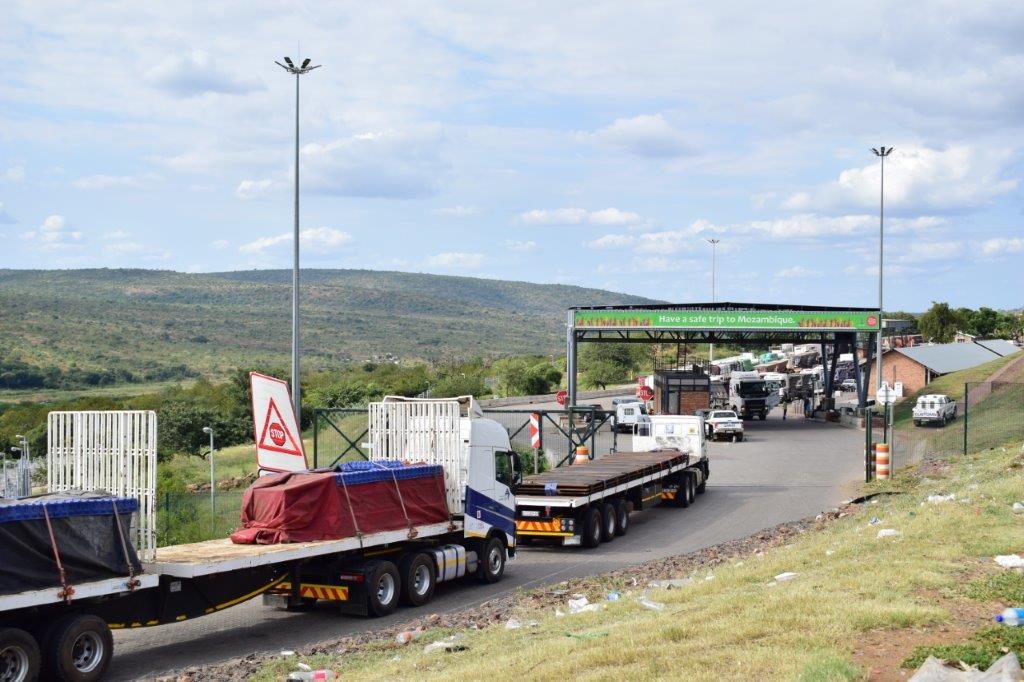
The holding area plan is scheduled for implementation this year. Following the Komatipoort meeting on March 26, TRAC met with border post departments in Malalane, which also support this initiative.
Paramount to the success of all these initiatives is compliance with road laws, and continuous, even-handed and lawful enforcement by law enforcement agencies is critical.
On behalf of the Komatipoort Business Chamber, Engelbrecht expressed the appreciation of the local community, businesses, TRAC and the NLCC for the informative session and pledged its continued support.
Lebombo border from SA to Mozambique. WATCH: pic.twitter.com/RWuKs6TCk6
— Yusuf Abramjee (@Abramjee) September 29, 2023