
Kruger National Park hosts symposium to spotlight ancient cultural heritage
Long before it became a renowned wildlife sanctuary, the vast conservation area was shaped by generations of communities, ancient trade routes, and early civilizations.
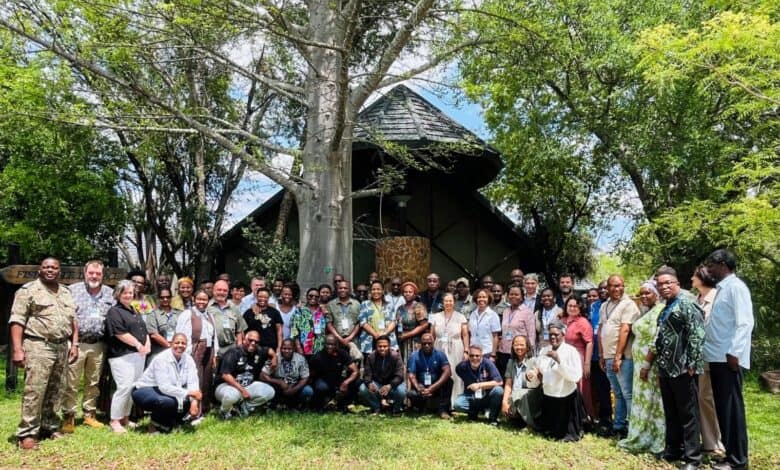
The Kruger National Park (KNP) is using its centenary celebrations to shine a spotlight on the area’s rich cultural and historical heritage, with a two-day Heritage and Museums Symposium bringing together experts to explore the stories that existed long before the park was proclaimed a national park.
The symposium, hosted by South African National Parks (SANParks) at Mopani Rest Camp from November 10 to 11, forms part of the programme marking 100 years of the Kruger National Park.
KNP general manager for marketing and communications Rey Thakhuli said the event aims to broaden the understanding of the park beyond its reputation as a wildlife destination by recognising its cultural, archaeological and historical significance.
“The Kruger National Park is far more than a wildlife sanctuary. It is a living cultural landscape that bears the footprints, memories and histories of generations of people who have lived in, interacted with and shaped this landscape,” said Thakhuli.
ALSO READ: KNP centenary project gives Belfast nursery R400 000 boost
He said the centenary provided an important opportunity to reflect on these shared histories, deepen understanding of the country’s heritage and strengthen partnerships between heritage, museum, academic and conservation institutions.
The symposium brings together heritage practitioners, museum professionals, historians, researchers, academics and conservation specialists to exchange knowledge and discuss the different historical and cultural influences that have shaped the Kruger landscape over centuries.
Ancient civilisations and archaeological focus
According to Thakhuli, discussions will cover a range of heritage themes, including San rock art and Iron Age societies, drawing on research conducted within the park.
He highlighted the growing archaeological significance of the Letaba area, where some sites are believed to potentially date to an earlier period than the well-known Mapungubwe archaeological site.
ALSO READ: Renewable energy sponsorship powers over 25% of Kruger National Park
“Kruger, and specifically Letaba, is becoming renowned as an area with sites potentially dating to an even earlier period than the famous Mapungubwe,” he said.
The re-investigation of Thulamela will also form part of the discussions, providing an opportunity to explore new research and perspectives on the region’s archaeological history.
Politics, land, and conservation history
Thakhuli said the symposium would further examine the social, cultural and political history of the park, including the complex relationship between conservation, communities and land.
Delegates will also discuss the park’s place in South Africa’s liberation history and the broader political and social developments that have influenced conservation and protected area management.
In addition to the discussions, participants will visit significant heritage sites within the park, including the Shilowa Trail and sites in Letaba, where they will have an opportunity to engage directly with the area’s cultural and historical resources.
Thakhuli said the symposium reflects SANParks’ commitment to preserving the park’s full heritage, ensuring that conservation extends beyond protecting biodiversity to include archaeological treasures, historical experiences and living traditions.
Through research, dialogue and collaboration, the symposium aims to ensure that the stories of the area are preserved.