
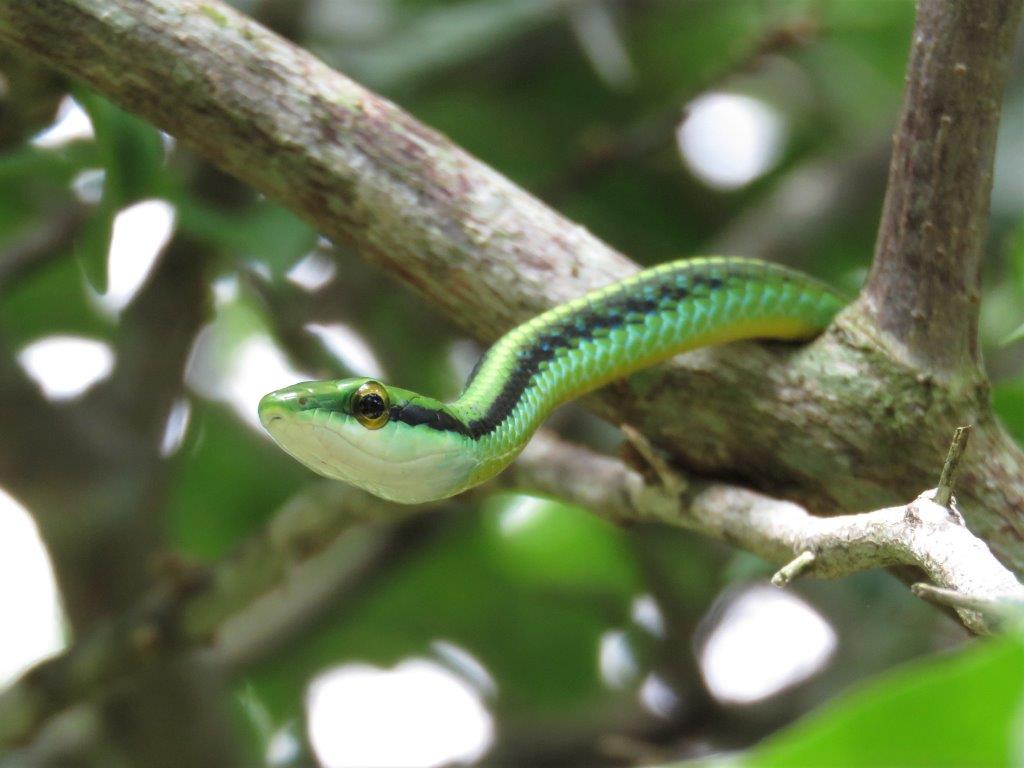
MBOMBELA – Since biblical times, humans have had a dread fascination – and fear – of snakes. Since my arrival in the Lowveld in March, I have heard numerous tales of the species of snakes found here. A few tall tales from neighbours and acquaintances have kept me on my toes pretty much all of the time. Like the one about the almost 15 metres-long spitting cobra found in the veld in the area where I live.
This piqued my curiosity and I embarked on a quest to find out exactly what species call the Lowveld home, and just what dangers they pose to humans. On the recommendation of a friend, I tracked down famed local snake-handler Anneke van Schoor, who works at Lowveld Venom Suppliers.
My first question to her was, ‘What are the snake species most prevalent in the Lowveld?’ According to Van Schoor, there are eight extremely venomous snakes in the Lowveld. These are, in no particular order: puff adder, Mozambique spitting sobra, snouted cobra (Egyptian cobra), black mamba, vine snake, southern stiletto snake, boomslang and rhombic night adder.
ALSO READ: WATCH: National Science Week 2019 at Penreach
A quick online search also revealed that half the national snake population considers the Lowveld home. Food for thought indeed, so there may have been some truth to the stories after all.
My concern quickly moved over to which were the most venomous, so that I could steer well clear of them. Next on the list of questions was what to do if a snake ever crossed my path and most importantly, where to seek help if I should ever be bitten by one.
A quick browse through your TV channels will open a veritable can of worms as far as the advice dispensed by experts. Sounds like a hairy prospect, but the universal recommendation is not to approach a snake. If you step on one, or are too close to it, move away. Snakes hate being cornered and will look for the first available escape route.
If you discover a snake, do not approach it closely. If you step on a snake or are very close to a puff adder then move away quickly. If the snake is only about a metre away, freeze at first and watch for the snakes reaction – it will likely look for an escape route. If it is cornered, back away slowly.
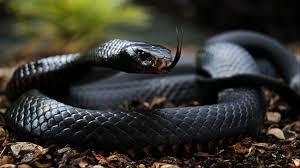
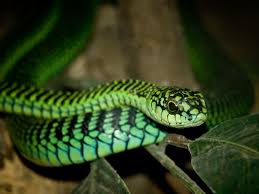
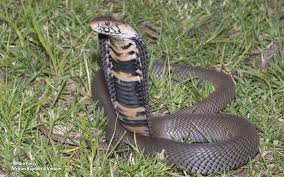
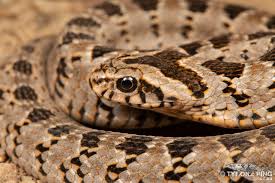
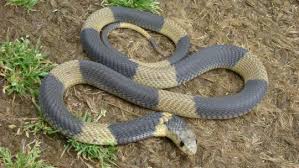
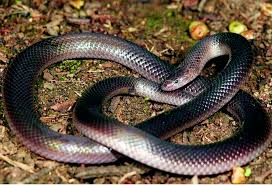
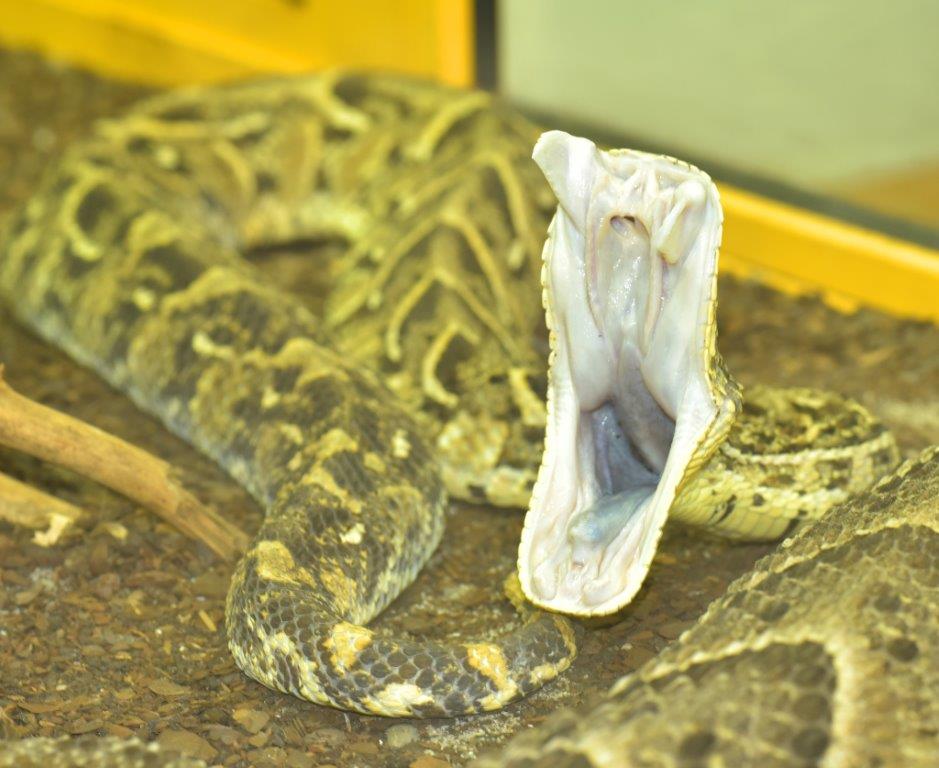
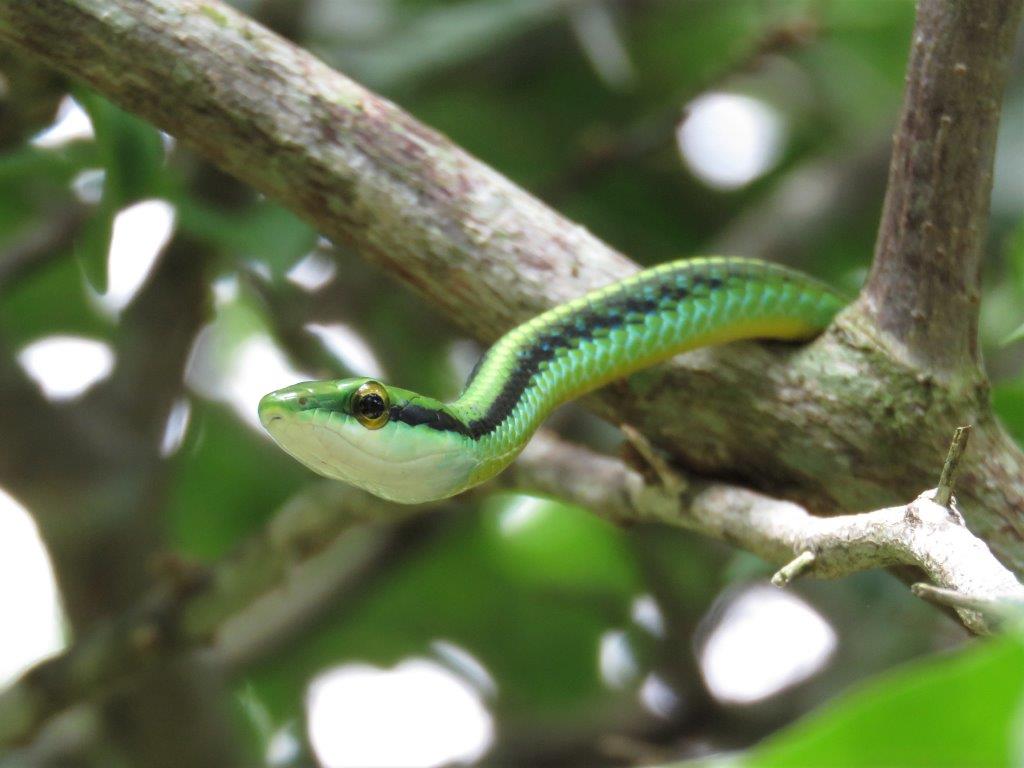
She warned against trying to suck out the venom in the event that you are bitten.
ALSO READ: 8 Most-dangerous snakes of the Lowveld
“Do not believe any of the old wives’ tales like tying a tourniquet to the bite or sucking out the venom. If you are bitten by a snake, seek help at your nearest medical facility immediately.”
“Doctors recognise a neurotoxic bite and will be able to administer an antivenom based on your symptoms.”
Van Schoor explained that there were two types of anti-venom available in South Africa. The polyvalent antivenom is used to treat most snake bites, while the monovalent antivenom treats bites from the boomslang.
Because of the high prevalence of snakes in the Lowveld, a number of groups have been set up to assist Lowvelders with snake removals. These are done at no charge and when one person is unavailable, a WhatsApp chat group has been set up to inform the next available handler in the event of an emergency.
ALSO READ: Supplier trade show a hit
For snake removals, contact Chris Hobkirk on 083-372-3350 or Anneke van Schoor on 079-931-8744.
Remember, snakes are more afraid of humans than we are of them.



